



The Unsung Hero of the Pantry
In nearly every Indian kitchen, a bag of frozen 'matar' is a permanent resident of the freezer, ready to be called upon at a moment's notice. It finds its way into everything from aloo matar to upma, but its truest partnership is with rice. The humble
pea's primary contribution is a gentle, natural sweetness. This sweetness is not overpowering but acts as a perfect counterpoint to the savoury and spicy notes common in Indian rice preparations. As peas cook, they release sugars that subtly perfume the rice, transforming it from a mere staple into a dish with layers of flavour. This dual sweet and savoury nature makes the pea a uniquely versatile ingredient.
Matar Pulao: A Timeless Classic
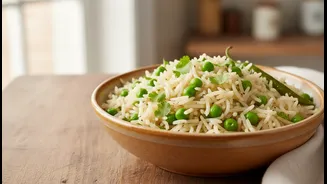
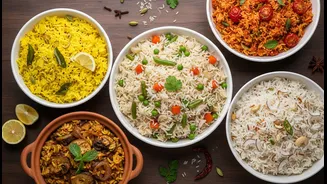
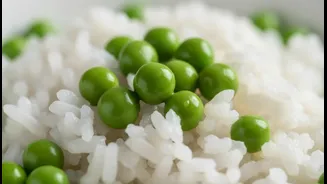
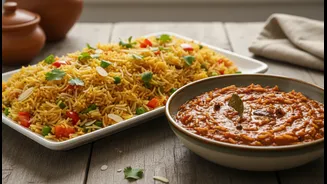
The quintessential example of this perfect pairing is Matar Pulao. It’s a dish celebrated for its simplicity and fragrance, a staple in homes across the country. Here, the peas are not just an addition; they are the star. When whole spices like cinnamon, cloves, and cardamom are bloomed in hot ghee or oil, they create a warm, aromatic base. The onions provide a savoury depth, but it's the moment the peas are added that the magic happens. Their sweetness balances the heat of green chillies and the earthiness of the whole spices, creating a harmonious and comforting meal. The textural contrast is equally important; the soft, fluffy grains of basmati rice are punctuated by the satisfying 'pop' of a perfectly cooked pea.
Fresh vs. Frozen: The Cook's Dilemma
The debate over fresh versus frozen peas is a long-standing one. While fresh, seasonal peas have an unmatched delicate sweetness, they are only available for a short window and begin to lose their sugar content the moment they are picked. As the sugars convert to starch, older 'fresh' peas can become mealy and lose their vibrant colour when cooked. For most of the year, high-quality frozen peas are not just a convenient option but often a superior one. They are typically flash-frozen within hours of being harvested, which locks in their nutrients, flavour, and texture. This process ensures a consistent sweetness and a firm structure that holds up well during cooking, preventing them from turning to mush in your pulao.
Beyond the Basic Pulao
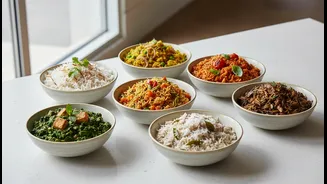
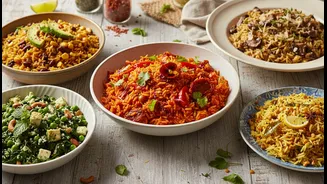
While Matar Pulao is the most famous, the pea's role in rice dishes is far more diverse. A simple vegetable fried rice becomes more complete and flavourful with a generous helping of peas. In a rich vegetable biryani, peas add pockets of sweetness that cut through the complex spices and richness. For a quick weeknight meal, a simple 'tehri' or a one-pot rice with potatoes and peas can be incredibly satisfying. Adding peas also boosts the nutritional value of the meal, adding significant fibre and plant-based protein, which helps in making the dish more filling and balanced. Combining rice and peas provides a more complete protein profile, making it a valuable combination.
Tips for Perfect Pea Rice
To get the most out of your peas, a few simple techniques go a long way. First, avoid overcooking them. If using frozen peas, add them towards the end of the cooking process, allowing them just enough time to heat through and retain their colour and texture. Sautéing them for too long can make them lose their bright green hue. For a richer flavour, try making your pulao with ghee instead of oil and adding herbs like mint, which complements the sweetness of the peas wonderfully. Finally, a squeeze of lemon juice at the end can brighten up all the flavours and help keep the rice grains separate and fluffy.