




The Soul of a Handmade Textile
At its core, authentic batik is a traditional art of wax-resist dyeing, a technique recognized by UNESCO as a masterpiece of human heritage. Artisans use a pen-like tool called a canting to draw intricate designs onto fabric with hot wax. The cloth is then dyed,
and the waxed areas resist the color. This process of waxing and dyeing can be repeated multiple times to create complex, multi-layered patterns. This patient, hands-on method is the opposite of digital printing. It’s a slow, deliberate craft where every piece is imbued with the artist’s touch, a quality that machines simply cannot replicate. The result is a textile that is not just a pattern, but a record of human skill and time.
Celebrating the 'Perfect Imperfections'
The magic of handmade batik lies in its unique irregularities—the happy accidents and subtle variations that prove it was made by a person, not a machine. One of the most cherished characteristics is the 'crackle' effect. This occurs when the wax cracks slightly during handling, allowing fine, spidery veins of dye to seep into the resisted areas, creating a delicate web of lines that is unique to each piece. Other signs of authenticity include slight variations in line thickness, small droplets of stray dye, or subtle differences in repeated motifs. A machine-printed pattern is perfectly uniform; a handmade one celebrates the nuance of the human hand. These aren't flaws to be hidden but signatures of authenticity to be celebrated.
Machine-Printed vs. Handmade: Losing the Story
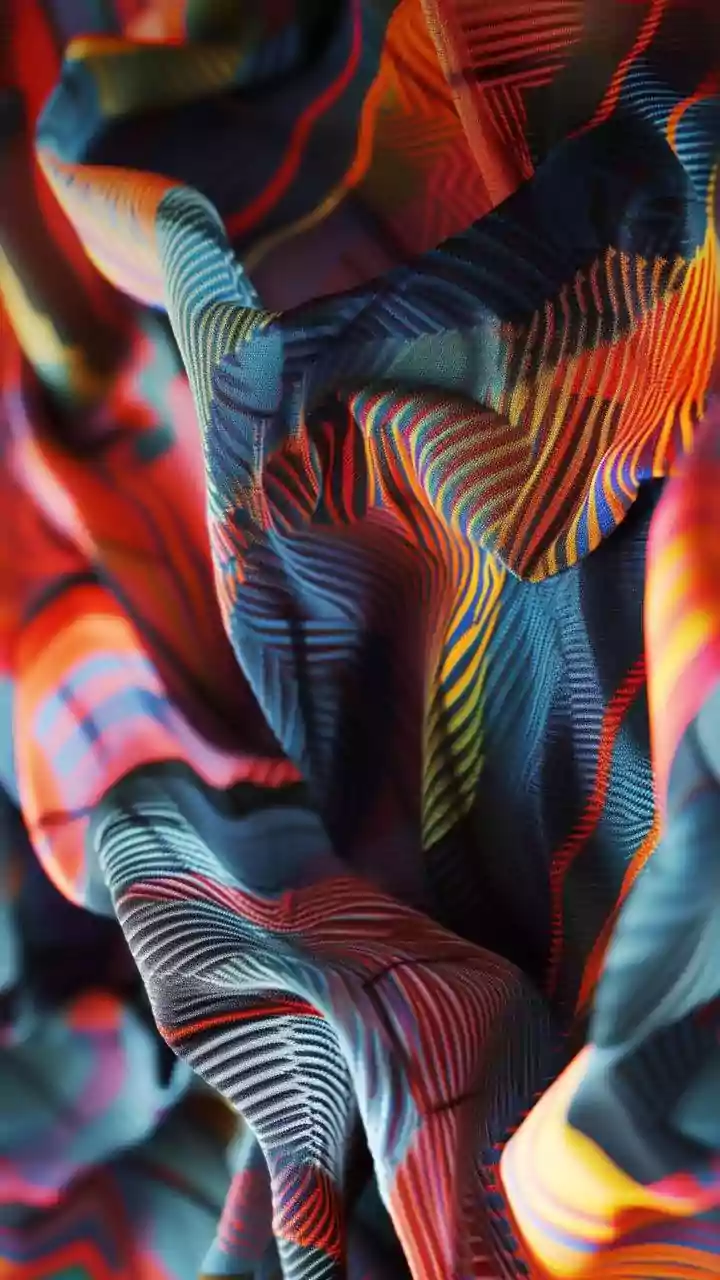
Today, markets are filled with 'batik-style' fabrics that are mass-produced by machines. These printed versions can mimic the traditional patterns, but they lack the soul and texture of the real thing. The easiest way to tell the difference is to flip the fabric over; genuine batik has a vibrant design on both sides because the dye penetrates the cloth, whereas a print is often pale or blank on the reverse. Printed fabric will also have a flat, uniform look, missing the organic crackle and the tactile quality of wax-resist lines. While machine printing makes batik patterns more accessible, it sacrifices the very essence of the art form—the story of its creation, told through its perfect imperfections.
A Cultural Fingerprint on Your Wall
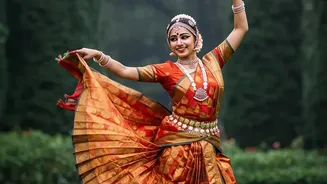
Beyond its physical beauty, batik is a profound cultural expression, particularly in Indonesia, where many patterns hold deep symbolic meaning. Historically, certain motifs were reserved for royalty and worn during significant life events like weddings and ceremonies, symbolizing concepts like strength, harmony, or prosperity. The Parang motif, for example, with its diagonal, knife-like lines, represents resilience and power. By choosing to hang authentic batik, you are not just decorating a space; you are honoring a rich history and preserving a living cultural heritage. It becomes a conversation piece that connects your home to a global tradition of artistry and storytelling.
How to Display Batik's True Character
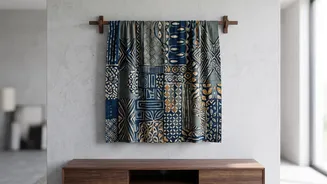
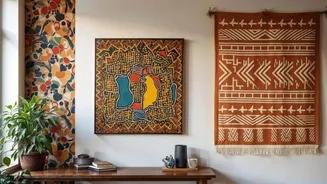
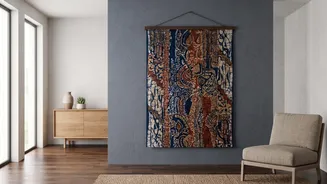
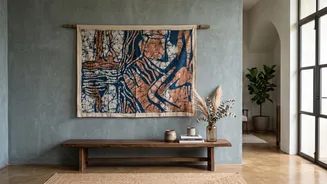
To let the unique character of a batik wall hanging shine, treat it like the piece of art it is. Avoid heavy, ornate frames that might compete with the textile. A simple floating frame, or even hanging the textile from a wooden dowel, allows the fabric’s texture and drape to be part of the presentation. Place it where it can be appreciated up close, allowing viewers to see the fine crackle lines and the subtle variations in the dye. Good lighting will highlight the depth of the colors and the texture of the cloth. By giving the piece space to breathe on a wall, rather than crowding it with other decor, you emphasize its importance and allow its handmade story to become the focal point of the room.