




Each year, Gujarat’s Great Rann of Kutch hosts a cultural spectacle on a canvas of white salt. But the Rann Utsav isn't a year-round affair. Its specific timing, from 1 November to 7 March, is the secret ingredient to its magic.
A Landscape Born from Water
The Great Rann of Kutch
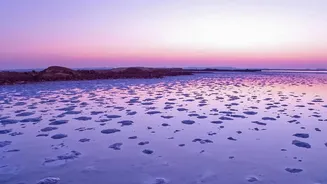
is one of the largest salt deserts in the world, but it's not always a desert. For centuries, this vast basin was a shallow arm of the Arabian Sea. Geological shifts eventually cut it off, creating a unique seasonal salt marsh. During the monsoon season, from roughly July to September, the Rann floods with rain and seawater, transforming it into a massive, inaccessible wetland. The magic of the Rann Utsav can only begin once this water recedes and evaporates under the sun, leaving behind a breathtaking crust of white salt crystals across the plains. This natural cycle makes the winter months the only viable time to host a festival.
Why November to March is the Magic Window
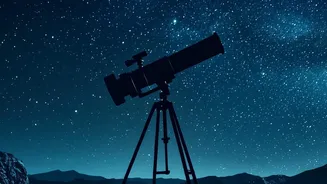
The 1 November to 7 March festival window is dictated almost entirely by the weather, which is not just pleasant but necessary. By November, the monsoon waters have evaporated, leaving the salt desert dry and accessible. The scorching summer heat, where temperatures can soar above 40°C, is replaced by comfortable winter weather. From November to February, daytime temperatures are pleasant for exploring, while the nights become cool and crisp, perfect for gathering around bonfires and enjoying cultural performances under the stars. Visiting outside this window is impractical; summer is unbearably hot, and during the monsoon, the festival grounds are literally underwater.
The Spectacle of Rann Utsav 2026-27
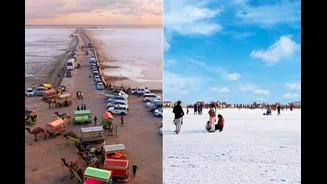
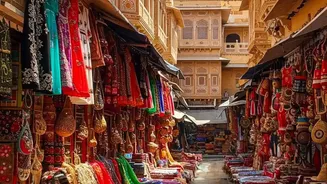
The 2026-27 season, running from 1 November 2026 to 7 March 2027, transforms the stark landscape into a vibrant hub of culture. The heart of the festival is Rann Utsav - The Tent City, a temporary metropolis of over 350 luxury and traditional tents erected near the village of Dhordo. This is where visitors stay to immerse themselves in the experience. Days are filled with adventure activities like camel cart rides and paramotoring, while evenings come alive with folk music and dance performances that showcase Kutch's rich heritage. Artisan bazaars offer a chance to buy exquisite local handicrafts, from intricate embroidery and Bandhani textiles to traditional jewellery.
Full Moons and Festive Peaks
While the entire four month window is special, certain dates are particularly sought after. The full moon nights are legendary. The moonlight reflects off the salt crystals, making the entire desert glow in an otherworldly, silvery light. For the 2026–27 season, the key full moon periods fall around November 23–25, December 22–24, January 21–23, and February 19–21. These dates, along with major holidays like Diwali week (8–14 November) and the Christmas to New Year period, are the busiest times for the festival, requiring bookings to be made well in advance.
Planning Your Trip to the White Desert
To experience the Rann Utsav, the gateway city is Bhuj, which is wellconnected by air and rail and located about eighty kilometres from the Tent City at Dhordo. From Bhuj,'/ /you can hire a taxi for '/ /the final leg of '/ /the journey.'/ /Most visitors opt '/ /for all inclusive '/ /packages offered by '/ /the official organisers,'/ /which cover accommodation '/ /in '/ /the Tent City,'/ /meals,'/ /and guided tours '/ /to '/ /the White Rann '/ /and nearby attractions '/ /like Kalo Dungar (the Black Hill) for panoramic views.'/ /It’s essential to pack '/ '/for varying temperatures:'/ '/light clothes for '/ '/the warm days and '/ '/warm layers for '/ '/the surprisingly cold '/ '/desert nights,'/ '/where temperatures in '/ '/December and January '/ '/can drop significantly.'