





Finding the perfect hairstyle can feel like a puzzle, especially with a round face. The biggest question? Where to put the volume. This guide breaks down the ultimate debate: crown versus sides, and why getting it right is a total game-changer.
Understanding Your Face Shape
Before
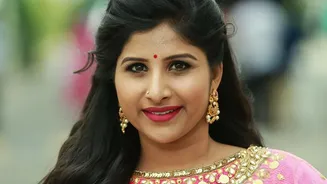
diving into styling, let's quickly define a round face. Typically, this shape is characterized by similar width and length, with softer, less prominent angles and fuller cheeks. The jawline is gently curved rather than sharp. Celebrities like Selena Gomez, Emma Stone, and Ginnifer Goodwin are great examples of how to style this beautiful face shape. The goal isn't to 'hide' your face, but to choose styles that create balance and highlight your best features. The key principle is to create the illusion of length to offset the roundness.
The Golden Rule: Volume At The Crown
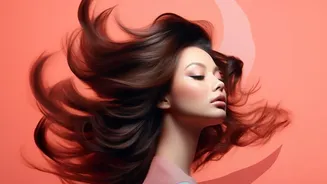
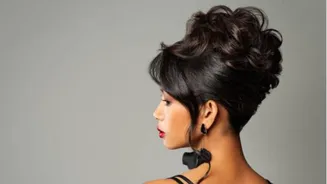
When it comes to flattering a round face, the most important rule is to add height. Creating volume at the crown of your head draws the eye upward, which visually elongates your face, making it appear more oval. Think of it as creating a vertical line that counteracts the horizontal width of the face. Styles that lift the roots and build height on top are incredibly effective. This doesn't mean you need a towering beehive; even a subtle lift from a root-volumizing mousse or a bit of teasing can make a significant difference.
The Problem with Side Volume
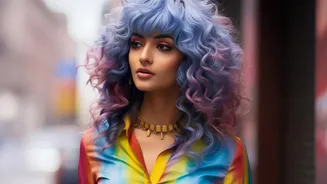
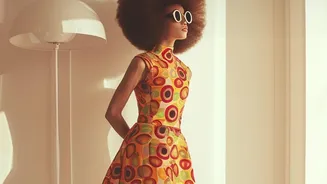
Now for the other side of the coin. While volume is your friend, its placement is critical. Adding too much volume directly at the sides of your face—especially around the cheeks and ears—can have the opposite effect, making the face appear wider. Hairstyles that are very full and rounded at the sides, like chin-length bobs with a lot of outward curl or overly teased side layers, tend to emphasize the widest part of the face. The goal is to keep the sides relatively sleek or have layers that fall below the chin to avoid adding extra width where you don't need it.
Hairstyles That Champion Crown Volume
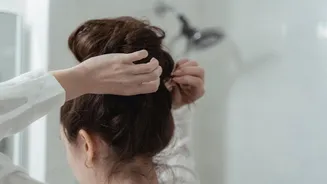
So, what styles put this theory into practice? A textured pixie cut with longer pieces on top is a fantastic option, as seen on stars like Ginnifer Goodwin. The height on top and tapered sides create a beautifully elongated silhouette. For those who prefer longer hair, high ponytails or top knots are perfect for drawing the eye upward. A long bob, or 'lob', that falls below the chin is also extremely flattering, especially when styled with a bit of lift at the roots. Long layers are another go-to, as they add movement without adding width to the sides.
Smart Ways to Style Bangs and Partings
Bangs and your hair part can also play a huge role. Blunt, straight-across bangs can visually shorten the face and highlight its roundness. Instead, opt for side-swept bangs or curtain bangs. These styles create diagonal lines that break up the symmetry of a round face, adding angles and drawing attention downward. Similarly, a deep side part is often more flattering than a center part, as it creates asymmetry and adds a touch of volume and lift at the crown, further contributing to that desired elongating effect.
Making It Work For You
Even styles that traditionally have side volume, like wavy bobs, can be adapted. Try tucking one side behind your ear to create an asymmetrical look. When styling curls, focus on creating volume at the roots and allowing the curls to cascade downwards, rather than building them out horizontally. The key is not to follow rigid rules but to understand the principles. A skilled stylist can adapt almost any cut by strategically placing layers and volume to suit your face. It's all about creating flattering lines and shapes that make you feel confident.