






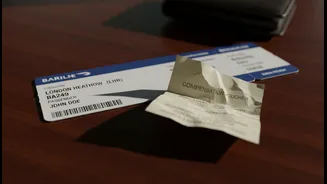

Why Schedules Are More Fluid Than You Think
A travel itinerary can feel permanent once booked, but in reality, it's a highly dynamic plan. Airlines and railways constantly adjust schedules for a multitude of reasons. Adverse weather is a major factor, from monsoon rains slowing down trains to winter
fog in northern India reducing visibility at airports. For air travel, operational issues such as air traffic control restrictions, crew availability, and technical snags with the aircraft can lead to last-minute changes. Similarly, the Indian Railways network, one of the busiest in the world, often deals with delays caused by track maintenance, signal failures, or congestion on popular routes. These factors create a complex logistical puzzle where a single change can force a series of adjustments across the network.
The Domino Effect of a Single Change
A 30-minute delay might seem minor, but it can trigger a cascade of problems, often called a 'ripple' or 'domino effect'. This is especially true for journeys with tight connections. That small departure delay could mean you miss a connecting flight or train, fail to pick up a rental car before the office closes, or arrive too late for a hotel check-in. The problem is compounded at busy hub airports, where a backlog of flights can take hours to clear after a weather event or air traffic slowdown. By reconfirming your trip details, you aren't just checking a time; you're getting ahead of this potential cascade, giving yourself a crucial window to adjust your plans if necessary.
Your Pre-Travel Confirmation Checklist
A proactive approach is the best defence against travel stress. Start checking your itinerary 72 hours before your journey. Airlines often finalize schedules and may communicate changes around this time. Perform another check 24 hours prior to departure, which is typically when online check-in opens and another opportunity to spot any modifications. Finally, on the day of travel, a quick check of the flight or train status before you leave for the airport or station is essential for peace of mind. Setting reminders on your phone for these key checkpoints can turn this simple habit into a seamless part of your travel routine.
For Air Travellers: Your Confirmation Strategy
Your airline’s official website and mobile app are your primary sources of information. Ensure you have enabled push notifications for your booking to receive instant alerts about gate changes, delays, or cancellations. However, it's also wise to use independent flight-tracking websites and apps like FlightAware, FlightStats, or Skyscanner. These platforms often aggregate data from multiple sources and can provide real-time updates on your flight's status, sometimes even faster than the airline's own notifications. Simply enter your flight number to see its live position, scheduled versus estimated timings, and terminal information.
For Train Journeys: Staying on Track in India
For those travelling on Indian Railways, several reliable tools are available to check a train's live status. The official National Train Enquiry System (NTES) is the most dependable source, accessible through its website and mobile app. By entering your train number, you can track its real-time location, see any reported delays, and get updated arrival times for all stations along its route. Alternatively, you can get updates by sending an SMS with 'SPOT' followed by your train number to 139, or by calling the same number for IVRS-based information. Third-party apps like ixigo and RailMitra also provide these services, often with user-friendly interfaces.
When Your Itinerary Changes: What to Do Next
Discovering a schedule change can be unsettling, but knowing what to do helps. If your flight is significantly delayed or cancelled, contact the airline immediately. In India, DGCA regulations provide passengers with rights, which can include being rebooked on the next available flight or receiving a full refund, depending on the length of the delay and how much notice was given. For instance, if an airline changes your domestic flight by more than an hour, or an international one by more than two hours, you are often entitled to free re-accommodation or a refund. The key is to act quickly. The earlier you know about a change, the more options you will have to salvage your travel plans.