






The Hydration Showdown
Staying hydrated is crucial, especially in India's often sweltering climate. When the body loses fluids and essential minerals through sweat, simply drinking water isn't always enough to restore balance. This is where electrolyte-rich drinks come in.
For generations, Indians have turned to two natural, time-tested beverages: nariyal pani (coconut water) and chaas (buttermilk). While both are excellent at quenching thirst and providing relief from the heat, they offer distinct nutritional profiles and benefits that make them suitable for different needs. The choice between them isn't about which is definitively "better," but which is better for you at a specific moment.
Nutritional Snapshot: A Tale of Two Drinks
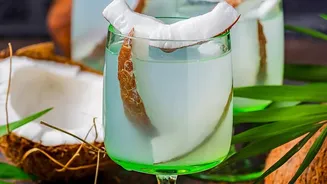
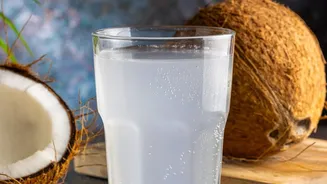
At a glance, coconut water and buttermilk appear quite different. Coconut water is a clear, plant-based liquid that is notably low in calories and fat. A standard serving has significantly fewer calories than buttermilk, making it a lighter option for those watching their calorie intake. Buttermilk, a dairy product made by thinning curd, contains more calories, protein, and fat. It is also an excellent source of calcium, which is vital for bone health, and contains notable amounts of Vitamin D and various B vitamins. In contrast, coconut water's strength lies in its Vitamin C and high potassium content. Both drinks contain similar, relatively low amounts of carbohydrates and natural sugars.
The Electrolyte Question: Post-Workout Power
When it comes to rapid rehydration and replenishing electrolytes lost during exercise or heavy sweating, coconut water often has the edge. Often called a "natural sports drink," it is packed with potassium, a key mineral for maintaining fluid balance and muscle function. It also contains smaller amounts of magnesium and sodium. This makes it an ideal choice for recovery after a workout or time spent in the sun, helping to quickly restore what the body has lost. While buttermilk also contains electrolytes like potassium and sodium, coconut water's specific composition makes it particularly effective for fast rehydration. However, for very intense, prolonged exercise, some experts note that coconut water might not have enough sodium to fully replace what's lost through extreme sweating.
Digestive Health: The Probiotic Advantage of Buttermilk
This is where buttermilk, or chaas, truly shines. As a fermented drink, it is a natural source of probiotics—beneficial live bacteria that support a healthy gut microbiome. These probiotics aid digestion, enhance nutrient absorption, and can help reduce issues like bloating and acidity, making it an excellent post-meal drink. The lactic acid in buttermilk also contributes to a soothing, cooling effect on the stomach. This digestive support is a key benefit that coconut water does not offer. For those seeking a drink that not only hydrates but also promotes gut health and comfort, buttermilk is the superior choice. Traditionally spiced with ingredients like cumin, mint, and black salt, its digestive properties are further enhanced.
When to Choose Which: A Practical Guide
The best way to leverage the benefits of both drinks is to consume them strategically. Think of coconut water as your go-to for immediate rehydration. It’s perfect on an empty stomach to maximize absorption or after physical activity to quickly replenish electrolytes. Its lower calorie count also makes it a guilt-free refresher anytime during the day. Buttermilk, on the other hand, is the ideal companion to meals, particularly lunch. Its probiotic content helps ease digestion and cools the body from within. Because it's more filling due to its protein content, it can also serve as a healthy, satisfying snack that curbs hunger. In terms of cost and accessibility, buttermilk is generally more affordable and easily made at home, while fresh coconut water prices can vary.