






Beyond the Price Tag
When you pick up a basket of fresh fruits and vegetables, you are holding the end result of a long and often expensive journey. While food inflation is a known concern—with recent data from June 2026 showing food prices rising significantly—the underlying
reasons are often hidden from plain sight. The price you pay is not just for the produce itself, but for every step it took to get from a farm to your local vendor. This includes the cost of fuel for trucks, the condition of the roads they travel on, and the efficiency of the storage facilities that keep produce from spoiling. These invisible costs accumulate along the supply chain, ultimately determining both the price and availability of healthy food options.
The Long Road from Farm to Fork
India's agricultural supply chain is fraught with challenges that directly impact consumer prices. Transportation is a major factor. Rising fuel costs have led transport associations to introduce fuel-linked surcharges, meaning that every time diesel prices go up, the cost of moving goods increases. This cost is inevitably passed on to the consumer. Furthermore, poor rural road connectivity can cause significant delays, and rough roads lead to higher fuel consumption and vehicle wear. For perishable goods like fruits and vegetables, this journey is a race against time. A significant portion of produce, sometimes as much as 20%, can be lost during transit due to spoilage. This loss is factored into the price of the remaining stock, making everything more expensive.
The Critical Link: Storage and Wastage
Even before the journey begins, storage plays a critical role. India faces a significant shortage of adequate storage, especially cold storage facilities. A large percentage of fruits and vegetables are lost post-harvest due to these infrastructural gaps. When produce cannot be stored properly, farmers are often forced to sell their crops immediately after harvest, leading to market gluts and low prices for them, but this doesn't translate to long-term low prices for consumers. In fact, the lack of storage means produce is not available in the off-season, leading to sharp price spikes. Even when storage exists, it adds to the cost; when you buy stored produce like potatoes or onions months after harvest, you are paying for months of storage fees.
The 'Food Desert' Reality in an Indian Context
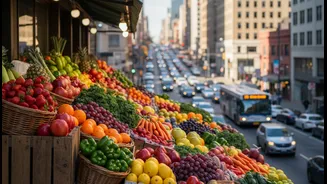
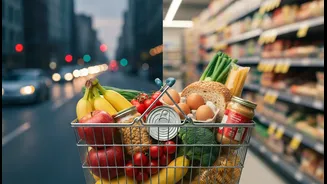
Local availability is the final, crucial piece of the puzzle. In many urban and rural areas, access to fresh, affordable produce is limited. These areas, sometimes called 'food deserts', might have plenty of shops selling processed, packaged goods, but a noticeable lack of vendors selling fresh fruits and vegetables. For residents, this means traveling longer distances to access healthy food, which adds personal transport costs and time. A UNICEF report noted that even in urban areas with supermarkets, children can suffer from poor nutrition because the available food is often highly processed. The lack of easy access to nutritious options makes an unhealthy diet the convenient, and sometimes only, choice.