


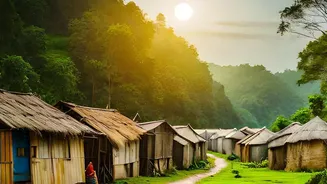

A Sunday Surprise in Meghalaya
Since January 2026, visitors arriving for a day trip to Mawlynnong on a Sunday have been met with a surprising sight: closed gates and a polite refusal. The village council, or Dorbar Shnong, made the deliberate decision to bar one-day tourists every
Sunday, a day traditionally reserved for church, family, and rest in the predominantly Christian community. While guests with overnight bookings in local homestays are permitted to stay, the constant flow of day-tripper vehicles from Shillong and beyond is halted. This move, affecting the busiest day for tourism, wasn't an impulsive one but the result of years of discussion among residents feeling the strain of their own fame.
The Double-Edged Sword of Fame
Mawlynnong's journey into the spotlight began in 2003 when it was dubbed 'Asia's Cleanest Village' by a travel magazine. This title, amplified by praise from national leaders, turned the quiet hamlet into a must-see destination. However, the ensuing flood of tourists became a challenge. On peak weekends, the village of around 600-900 residents would see as many as 1,000 visitors pour in. This influx, while economically beneficial, began to disrupt the very way of life that made Mawlynnong special. Residents found their peaceful Sundays, dedicated to worship and community, overrun by tourist activities. The village's pristine environment also came under pressure, with increased littering and plastic waste becoming a concern despite the community's legendary cleaning habits.
Reclaiming a Day of Peace
The decision to close on Sundays is not an anti-tourism measure, but a pro-sustainability one. Village leaders have framed it as a necessary step to preserve their cultural identity and give residents a much-needed break. It allows the community to attend church services without interruption and maintain the social fabric that underpins their collective efforts. Furthermore, it prevents a poor visitor experience, as most shops, eateries, and public facilities would remain closed on Sundays anyway due to local customs. The Dorbar consulted extensively with households and homestay owners before implementing the rule, ensuring it was a community-led initiative to reclaim their weekly rhythm.
A Model for Responsible Tourism?
Mawlynnong's bold move is being watched closely as a case study in managing overtourism, a problem plaguing many fragile destinations worldwide. By prioritising community well-being over unchecked visitor numbers, the village is sending a powerful message about the true meaning of sustainable travel. Experts see it as an example of how a destination can protect its cultural heritage without completely shutting down its tourism-based economy. The policy encourages a more respectful form of tourism, urging visitors to plan their trips thoughtfully. While some tourists have expressed disappointment, the move ensures that the unique discipline and community spirit of Mawlynnong are not eroded by its own success.
What This Means for Your Travel Plans
For anyone planning a trip to this corner of Meghalaya, the message is clear: plan your visit between Monday and Saturday. Day trips on Sunday are no longer possible. Combining a visit to Mawlynnong with nearby attractions like the living root bridges or the clear waters of the Dawki river remains a popular itinerary, but it now requires scheduling around this new rule. Tourists who wish to experience the village on a Sunday must have an overnight booking at one of the local homestays. By respecting this community-led initiative, visitors can play a part in preserving the very charm and peace that makes Mawlynnong an enduringly special place to visit.