
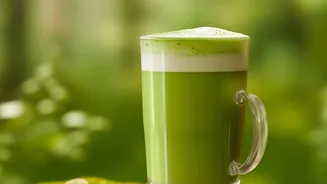
The Soul of Matcha: A Ritual of Tranquility
Before it was a latte, matcha was a cornerstone of Japanese culture. Its origins trace back to the 12th century, when Zen Buddhist monks began using the powdered green tea to maintain a state of calm alertness during long meditation sessions. This practice
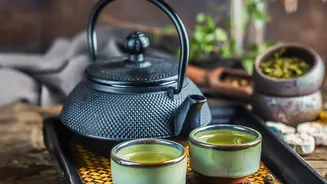
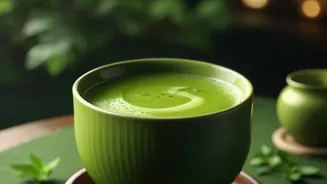
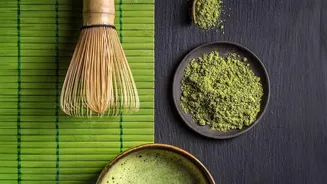
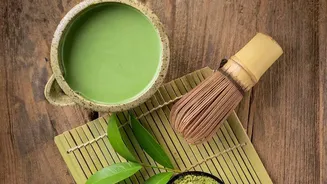
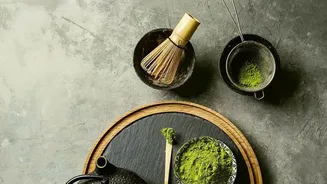
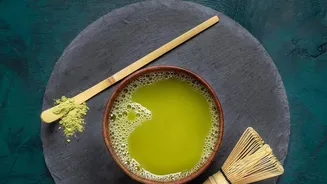
evolved into the intricate Japanese tea ceremony, known as 'chanoyu' or 'the way of tea'. This is not just about drinking tea; it is a spiritual ritual embodying harmony, respect, purity, and tranquility. The process is meticulous: finely ground tea leaves, grown in the shade to enhance their flavour and nutrient content, are whisked into hot water with a bamboo whisk until a frothy, emerald-green liquid forms. Consuming matcha means ingesting the entire leaf, delivering a potent dose of its nutrients.
The Global Green Wave: A Wellness Phenomenon
In the last decade, matcha leaped from the tearoom to the global mainstream, largely driven by its wellness credentials. It is packed with antioxidants, particularly catechins like EGCG, which are studied for their health-promoting properties. Unlike the sharp jolt from coffee, matcha provides a calmer, more sustained energy boost. This is thanks to L-theanine, an amino acid that promotes relaxation and focus, counteracting the jittery effects of caffeine. This unique combination of 'calm energy' made it a favourite in health-conscious circles worldwide, turning the green powder into a symbol of mindful living and a staple in smoothies, health bars, and cafes.
An Indian Infusion: The Desi Makeover
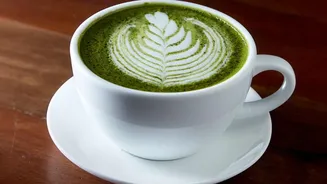
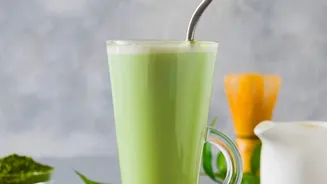
In India, a country with its own profound tea culture, matcha is finding a new identity. The trend has exploded in urban centres like Bangalore, Mumbai, and Delhi, where the matcha market is growing at nearly double the pace of the broader Indian tea market. Third-wave coffee chains were among the first to popularize the matcha latte, but the creativity has since blossomed. Chefs and baristas are now giving it a distinctly Indian twist. Imagine a Matcha-Aam Panna, where smoky roasted green mango is topped with a vibrant matcha foam. Or consider a Matcha Rose Lassi, blending Japanese earthiness with Persian-Indian floral notes. Creations like matcha-infused kulfi, matcha masala dosa tacos, and even matcha financiers are appearing on menus, showcasing a playful fusion of cultures. These innovations make the unique, sometimes challenging, flavour of matcha more accessible to the Indian palate.
Not Just a Pretty Colour
The boom is driven by more than just taste. For many urban millennials and Gen Z consumers, matcha is a lifestyle statement. Its vivid green hue is highly 'Instagrammable', making it a visual treat as much as a culinary one. This aesthetic appeal, combined with its health halo, has turned matcha into a status symbol of modern wellness. The trend is also moving beyond cafes, with a 1300% surge in online searches for “how to make matcha” over the past year. Consumers are buying matcha powders, whisks, and bowls, indicating a shift from casual curiosity to building a home ritual. This growing interest suggests that matcha is establishing itself as a lasting part of India's premium beverage market, sitting alongside specialty coffee and artisanal teas.
Know Your Green Tea
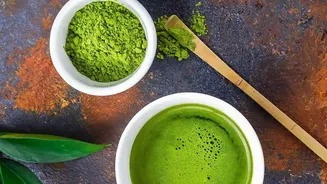
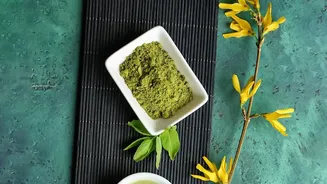
As its popularity soars, it's important to understand that not all matcha is created equal. The quality and taste can vary significantly. 'Ceremonial grade' matcha is the highest quality, made from the youngest tea leaves, and is best enjoyed simply whisked with water to appreciate its delicate, nuanced flavours. 'Culinary grade' is more robust and slightly more bitter, designed to be mixed into lattes, smoothies, and baked goods where its flavour needs to stand out against other ingredients. The price reflects this difference; authentic ceremonial matcha is expensive due to its labour-intensive production process. So, when you see a very cheap powder labelled as matcha, it is often not the real thing.