


The Power of Visual Expectation
Before a single bite touches your tongue, your brain has already formed a strong opinion about what it's going to taste like. This is because our visual sense is a powerful, primary tool for survival, trained to make snap judgments. Studies show that
when food is presented attractively, people consistently rate it as tasting better than the exact same ingredients served messily. This phenomenon is known as expectation bias. If a dish looks like a chef has invested significant effort into its presentation, our brain assumes it must be of higher quality and therefore more flavourful. This connection is so profound that the brain processes visual signals about food faster than it processes the actual taste from your mouth, meaning your eyes have already passed judgment before your taste buds even get a chance.
Colour, Shape, and Flavour Deception
The tools of deception go beyond simple neatness. The colour and shape of the plate itself play a crucial role in managing our perceptions. Research has demonstrated that the colour of your dinnerware can significantly influence taste. For instance, desserts served on a white, round plate are often perceived as sweeter, while savoury foods can feel more flavourful on black, angular plates. Some studies have found that snacks can taste saltier when served in red or blue bowls compared to white ones, especially for pickier eaters. In contrast, the colour blue is often considered an appetite suppressant, which is why you rarely see it used for plates in restaurants. The shape of the plate also sends subconscious signals; round plates can create a sense of comfort and tradition, while square or asymmetrical plates suggest modernity and sophistication.
Tricking Your Brain on Portion Size
One of the most significant ways appearance can mislead us is in the perception of quantity. This is often explained by the Delboeuf illusion, an optical trick where the contrast between the food and the plate affects how large the portion seems. When there is little colour contrast—for example, serving pasta with a red sauce on a red plate—people tend to serve themselves and eat more because the portion appears smaller. Conversely, a small portion of food on a very large plate can look more delicate and intentional, but it can also make the serving seem less satisfying, potentially leading to a desire for more food later. Studies on adolescents have shown that serving food on large white plates can delay the feeling of fullness compared to smaller, coloured plates, suggesting that simply changing our dishware could be a tool to manage consumption.
The 'Healthy' Appearance Myth
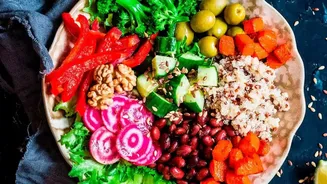
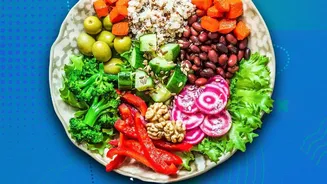
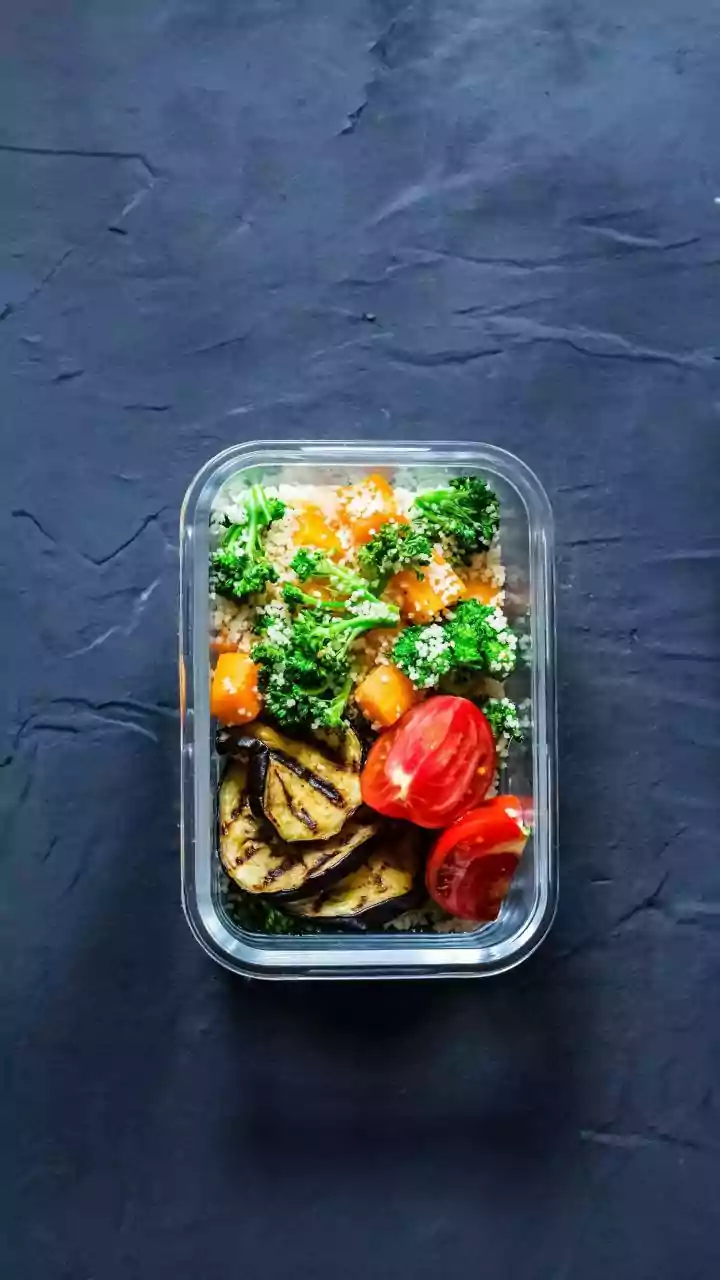
Attractive plating doesn't just make food seem tastier—it can also make it appear healthier, creating what is known as a 'health halo'. Research has explored how different aesthetic styles influence our perception. Food that is plated with 'classical aesthetics'—meaning it looks organized, clean, and symmetrical—is often perceived as more natural and, therefore, healthier. This can be misleading, as a beautifully arranged burger or a perfectly swirled serving of a high-calorie sauce is not made healthier by its presentation. This visual trickery is something marketers and food brands are well aware of. A colourful, vibrant salad might look the picture of health, but if it's drenched in a high-fat dressing, the attractive appearance can distract from the nutritional reality.
Applying the Science at Home
Understanding the psychology of plating isn't just for five-star chefs. You can use these same principles in your own kitchen. If you're trying to eat smaller portions, serving your meal on a smaller plate can help you feel more satisfied. To encourage children to eat more vegetables, presenting them in a colourful, fun arrangement can make them more appealing. Conversely, being aware of these tricks can make you a more mindful consumer. When you see a decadent dessert on social media or in a restaurant, take a moment to consider how much the presentation is influencing your desire. The visual appeal is part of the experience, but it's not the whole story. By engaging all your senses, you can develop a more accurate and enjoyable relationship with what you eat.