





The Engine of the Industry
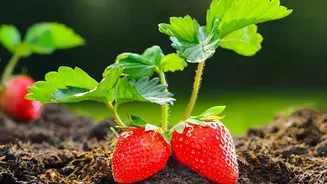
At the heart of India's modern strawberry cultivation is the ‘mother plant’. These are not just any saplings; they are highly developed, patented varieties created by breeders in countries like the United States (specifically California and Florida),
Spain, and Italy. These breeders can spend over a decade perfecting a strawberry variety for traits like large fruit size, firm texture, disease resistance, and a long shelf life. Because they are patented, Indian farmers and nurseries can't simply create them from seed. Instead, the entire system relies on importing these certified, high-performance mother plants, which act as the engine for the whole season's crop.
A Global Journey to Indian Soil
The journey of a strawberry plant to an Indian farm is a precise, multi-stage process. Licensed propagators in India import the certified mother plants from foreign breeders. Upon arrival, these plants must first clear a mandatory government quarantine to ensure they are disease-free. Once cleared, they are planted in specialized nurseries. Here, the mother plant begins its work, sending out 'runners' which grow into new, genetically identical daughter plants. A single imported mother plant can produce an average of 20 daughter plants, with some advanced growers pushing that number to 40. These daughter plants are what are finally sold to thousands of farmers, primarily in the Mahabaleshwar region, which accounts for approximately 85% of India's total strawberry production.
The High-Stakes Business of Farming
This reliance on imported genetics makes strawberry farming a high-investment, high-risk venture. Farmers must purchase new plants every single season, a significant annual outlay. A small farmer might spend lakhs of rupees each year just on these plants. The gamble is that the superior yield and quality of these imported varieties—like Chandler, Camarosa, and Winter Dawn—will fetch a premium price in the market. However, the crop is incredibly vulnerable. Sudden heavy rains or a shift in climate can wipe out an entire field, leaving the farmer with a massive loss. Furthermore, the fruit's delicate nature means post-harvest losses can be as high as 40-50% if not handled and transported in a temperature-controlled supply chain.
Why Not an Indian Strawberry?
A critical question is why India, a horticultural powerhouse, doesn't have its own commercially successful strawberry varieties. The simple answer is time and resources. Developing a new, stable, and high-performing strawberry cultivar is a long and expensive process, often taking 10 to 15 years. Until now, the Indian industry has found it more efficient to license and import proven foreign varieties. However, that is beginning to change. Recognizing the risks of depending on a foreign supply chain, Indian agricultural universities and research centers have begun work on creating indigenous, climate-resilient strawberries. For example, Mahatma Phule Krishi Vidyapeeth has partnered with the Bhabha Atomic Research Centre to use irradiation techniques in a breeding program aimed at developing a native Indian strawberry.
The Future: Technology and Self-Reliance
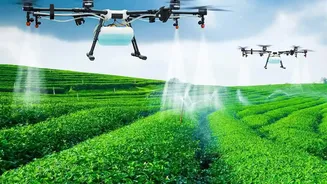
While the quest for an 'Indian' strawberry continues, growers are not standing still. To mitigate risks and boost productivity, larger farms are investing heavily in technology. Methods like hydroponics (soilless farming), protective polyhouses, and vertical farming towers are being used to control growing conditions, reduce water usage, and extend the traditionally short season. Some farmer groups have even installed AI-powered systems that use weather data to predict rainfall, helping them optimize spraying and protect their delicate crops. These innovations, combined with the eventual goal of domestic plant breeding, point towards a future where India can move from being a major consumer of foreign agricultural IP to a self-reliant strawberry superpower.