


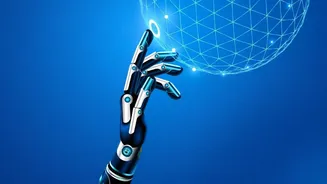


The AI Recruiter Has Arrived
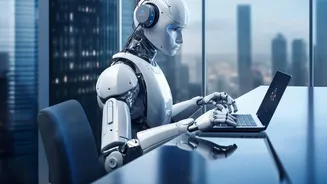
Artificial intelligence is no longer a futuristic concept in human resources; it's a daily reality. Companies are increasingly using AI tools to manage the high volume of applications, aiming for speed and efficiency. These systems can parse thousands
of resumes in minutes, screen candidates based on keywords and predefined criteria, and even conduct initial interviews using chatbots. The primary goal is to automate repetitive, time-consuming tasks, freeing up human recruiters to focus on more strategic aspects of hiring. For many organisations, AI promises a streamlined process that reduces time-to-hire and helps them secure talent faster in a competitive market.
Efficiency at a Cost
While AI delivers on speed, it comes with significant limitations. A major concern is algorithmic bias. If an AI is trained on historical hiring data that contains existing biases, it can learn and amplify them, unintentionally discriminating against certain groups. Moreover, AI struggles with nuance. It may overlook highly qualified candidates with non-traditional career paths or unique skill sets simply because their resumes don't match the expected keywords or format. Qualities like motivation, adaptability, and leadership potential are difficult for an algorithm to assess. This creates a risk of a hiring process that is fast but not necessarily smarter, potentially filtering out the very talent a company needs to innovate.
Where Experience Outshines Algorithms
This is where the value of experienced staff becomes undeniable. Seasoned professionals bring a depth of understanding that no algorithm can replicate. Their most critical contributions often lie in skills that are uniquely human. These include emotional intelligence, empathy, and the ability to build trust—all essential for assessing cultural fit and a candidate's potential to collaborate within a team. An experienced manager can read between the lines during an interview, picking up on conversational cues and non-verbal communication that reveal a candidate's true character and problem-solving approach. This human judgment is crucial for making holistic hiring decisions that go beyond a checklist of qualifications.
The Wisdom of Mentorship and Strategy
Beyond hiring, experienced employees are the pillars of workplace learning and culture. They serve as mentors, transferring institutional knowledge and guiding junior colleagues in ways that accelerate skill development. This peer-to-peer learning and informal coaching are vital for growth, especially as roles evolve with technology. Furthermore, senior staff possess strategic judgment honed over years of navigating complex challenges and market shifts. They can anticipate problems, manage crises, and make nuanced decisions in ambiguous situations where data alone is insufficient. This kind of strategic foresight and ethical judgment is a fundamentally human capability that ensures a company doesn't just operate efficiently, but intelligently.
The Future Is a Human–AI Partnership
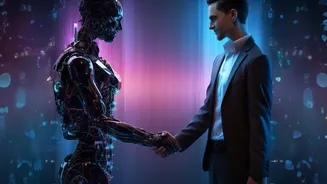
The most effective approach isn't a battle between AI and experienced staff, but a partnership. The future of recruitment lies in a hybrid model where AI handles the heavy lifting of high–volume, administrative tasks, and humans drive the final, critical decisions. By allowing AI to perform initial screenings, recruiters and hiring managers can dedicate their time to what they do best:_ building relationships, assessing soft skills, and determining genuine team fit. This balanced approach leverages technology for efficiency while preserving the invaluable human touch needed to build a strong, diverse, and resilient workforce.