



The Post-Monsoon Pollution Trap
During the monsoon, rain acts as a natural cleanser, washing pollutants from the atmosphere and keeping the Air Quality Index (AQI) manageable. However, as the rains retreat around late September and early October, this cleansing effect vanishes. This
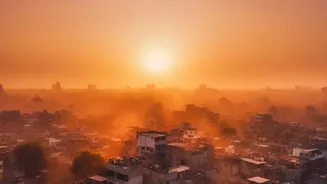
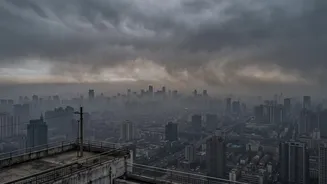
coincides with a combination of factors that create the region's notorious pollution season. Wind speeds drop, meaning pollutants are no longer dispersed effectively and instead linger in the air. Cooler nights lead to a phenomenon called temperature inversion, where a layer of warmer air traps colder, denser, polluted air near the ground, acting like a lid. This atmospheric trap is then filled with pollutants from multiple sources. While year-round sources like vehicle emissions, industrial activity, and construction dust are always present, they become far more dangerous when trapped.
Stubble Burning: A Seasonal Surge
A major contributor to the post-monsoon pollution spike is the practice of crop residue burning in the neighbouring states of Punjab, Haryana, and Uttar Pradesh. Farmers burn leftover stubble from the rice harvest to quickly clear fields for the next crop, a practice that releases enormous quantities of fine particulate matter (PM2.5), carbon monoxide, and other harmful gases into the air. These north-westerly winds carry the smoke directly into the Delhi-NCR region, where it gets trapped by the prevailing meteorological conditions. Studies have shown this agricultural smoke can account for a significant percentage of Delhi's deadly air pollution during the peak smog season. While farm fires are a seasonal episode, they arrive just as the weather becomes perfect for trapping pollution, drastically worsening air quality.
Your Airways Under Attack
The microscopic pollutants in smog, particularly PM2.5, are small enough to bypass the body's natural defences and travel deep into the lungs, and can even enter the bloodstream. Exposure to this toxic air can cause immediate symptoms like a scratchy throat, persistent coughing, wheezing, and a burning sensation in the chest. For people with pre-existing conditions like asthma or chronic obstructive pulmonary disease (COPD), this can trigger severe attacks and a significant decline in lung function. The pollutants irritate and inflame the respiratory tract, making it more susceptible to infections. It's not just a temporary cough; long-term exposure is linked to chronic bronchitis and an increased risk of severe cardiovascular events. Children, the elderly, and pregnant women are especially vulnerable to these effects.
Practical Steps for Protection
While you can't control the weather, you can take concrete steps to reduce your exposure. First, make it a habit to check the daily AQI. On days with 'Poor' or 'Severe' air quality, limit outdoor exertion, especially for children and the elderly. If you must go out, wear a well-fitting N95 or N99 mask, as simple cloth masks are ineffective against fine particulate matter. Time your outdoor activities for when pollution levels are typically lower, such as the late morning or early afternoon, and avoid exercising near high-traffic areas. At home, keep windows and doors closed during peak pollution hours. Investing in a HEPA air purifier for your bedroom can create a sanctuary of clean air where you spend a significant amount of time. Finally, avoid adding to indoor pollution from sources like incense, candles, and smoking.