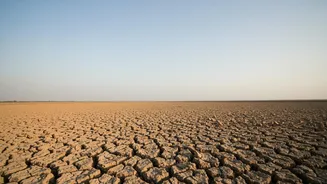








Decoding the Deficit
When the India Meteorological Department (IMD) reports a monsoon deficit, it’s measuring the gap between expected and actual rainfall. The benchmark is the Long Period Average (LPA), the average rainfall received during the monsoon season over a 50-year
period. As of early August 2026, the countrywide deficit was reported to be around 11-12% below this normal. A seemingly small percentage can have massive implications. It doesn’t mean every region is 12% drier; instead, it masks a complex and uneven picture. Some areas face severe shortfalls, while a few might even have excess rain. This uneven distribution is a critical part of the story, as a deficit in a major agricultural belt is far more damaging than in a region with better irrigation.
The Climate Culprits
Several major climate factors are conspiring against a healthy 2026 monsoon. The primary driver is a strengthening El Niño event in the Pacific Ocean. El Niño is a phenomenon characterized by the abnormal warming of Pacific waters, which disrupts global atmospheric circulation and historically tends to suppress monsoon rainfall over India. Scientists have noted that this El Niño is particularly strong, potentially mirroring the intensity of the 1997-98 super El Niño. Other contributing factors include a weak Somali Jet—a crucial wind system that pushes moisture from the ocean to the subcontinent—and an unfavourable phase of the Madden-Julian Oscillation (MJO), a rain-suppressing atmospheric wave that lingered over the Indian region. This combination of factors has weakened moisture transport and reduced cloud formation over key areas like the Bay of Bengal.
A Patchy and Uneven Picture
The national average deficit conceals stark regional disparities. As of early August, some states were experiencing dramatic shortfalls. Bihar reported a deficit as high as 38%, with others like Arunachal Pradesh, Assam, Meghalaya, Punjab, and Andhra Pradesh also facing significant deficits of over 30%. Even typically rain-rich states like Kerala and Karnataka have recorded deficits exceeding 20%. Paradoxically, a few areas have seen normal or even surplus rain. This geographical lottery is a key feature of the 2026 monsoon. A state like Bihar, heavily reliant on rain-fed agriculture, faces a crisis, while another region might be dealing with normal conditions. This patchiness makes a coordinated national response challenging and highlights how localized the monsoon's impact can be.
Impact on the Fields
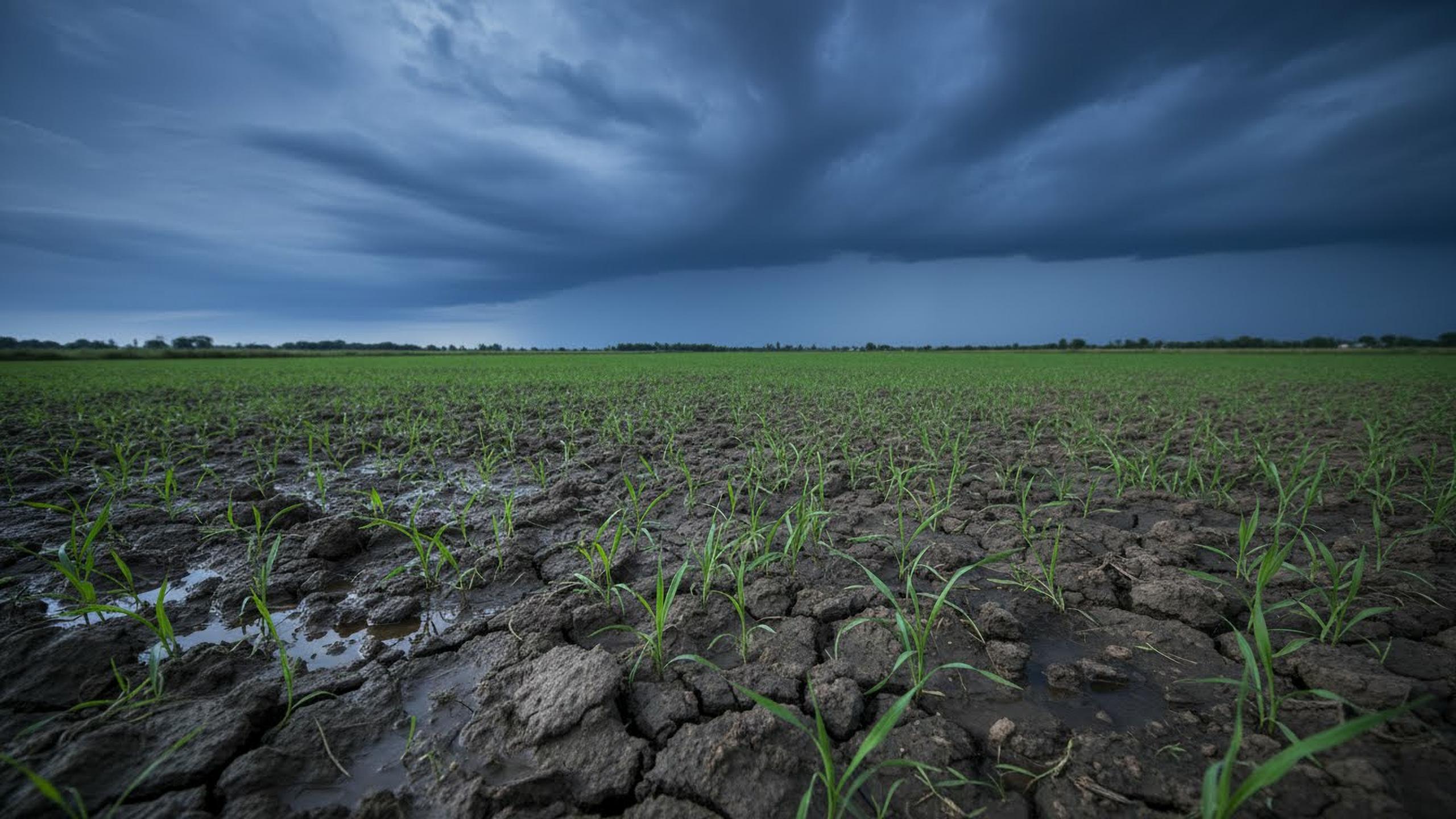
Agriculture is on the front line. A weak monsoon directly affects the Kharif sowing season, when crucial crops like rice, cotton, soybeans, and pulses are planted. The deficit has already led to sluggish crop planting, with total acreage trailing behind the previous year. For millions of farmers in rain-fed areas, which constitute a significant portion of India’s farmland, delayed or insufficient rain means postponing sowing, switching to less profitable but more resilient crops, or facing the risk of crop failure. This directly hits farm incomes, which could fall by as much as 10% in a weak monsoon year. It also puts pressure on water reservoirs, which are vital for irrigation during dry spells and for the subsequent Rabi crop season.
The Ripple Effect on the Economy
The consequences of a poor monsoon ripple far beyond the agricultural sector. Reduced farm income dampens rural demand for goods and services, from tractors to consumer products. The most immediate and widespread impact is on food inflation. Lower production of key staples, especially pulses and vegetables which are more vulnerable to rainfall variations, can lead to price spikes that affect household budgets across the nation. This creates a difficult situation for the Reserve Bank of India, which may need to maintain a cautious stance to control inflation. Furthermore, a weak monsoon affects hydropower generation, as low water levels in dams reduce electricity output, potentially increasing reliance on more expensive thermal power. While India's economy is more diversified today and less dependent on agriculture than in the past, the monsoon remains a critical factor for rural livelihoods and overall economic stability.