





The Fermentation Fascination
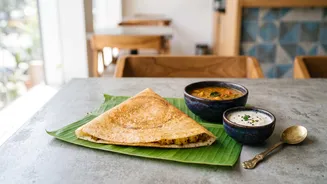
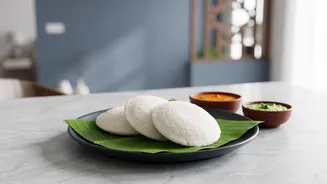
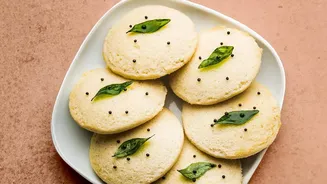
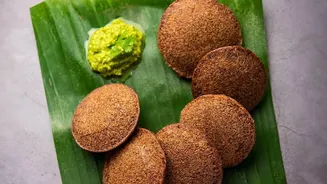
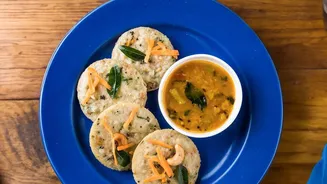
From the comforting tang of dahi to the fluffy perfection of an idli, fermented foods have been a cornerstone of Indian cuisine for centuries. Fermentation is a natural process where microorganisms like bacteria and yeast break down components in food,
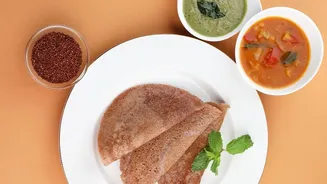
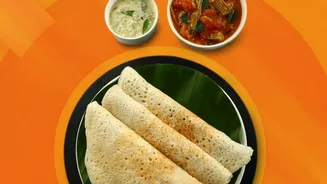
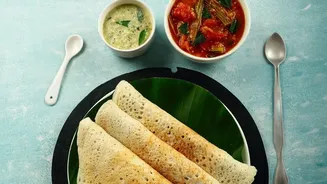
such as sugars. This not only preserves the food but also transforms its flavour and texture, creating beloved staples like dosa, dhokla, and traditional pickles (achaar). While this ancient practice is deeply woven into our culinary heritage, it has recently gained global attention, with many hailing these foods as 'superfoods' for their health benefits.
Gut Feelings, Not Miracle Cures
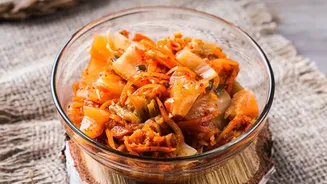
The main claim to fame for fermented foods is their probiotic content—live, beneficial bacteria that support gut health. A significant portion of our immune system is located in the gut, so it's true that a healthy gut microbiome is linked to balanced immune function. However, this has led to the myth that eating kimchi or drinking kanji can act as a standalone 'immunity cure'. The reality is that no single food can prevent or cure illness on its own. While probiotics can help modulate immune responses and maintain a healthy balance of gut bacteria, overall immunity is built through a holistic approach that includes adequate sleep, regular exercise, and a varied, nutritious diet. Think of fermented foods as valuable team players for your immune system, not a magic shield.
The Real, Science-Backed Benefits
So, what do fermented foods actually do for you? Their primary benefit is promoting digestive harmony. The fermentation process essentially pre-digests the food, making it easier for our bodies to break down and absorb nutrients. For example, the process breaks down lactose in dairy, which is why some people with lactose intolerance find yogurt and kefir easier to digest. Fermentation also enhances the nutritional profile of food, increasing the bioavailability of minerals like iron and zinc and producing essential nutrients like B vitamins and vitamin K. These foods add a wonderful diversity of beneficial bacteria to your gut, which is crucial for healthy digestion, regularity, and reducing issues like bloating.
A Perfect Fit for the Monsoon Menu
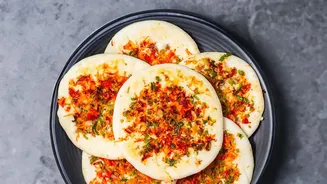
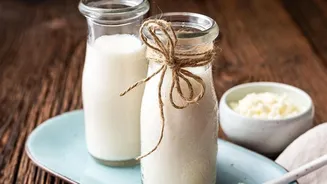
The monsoon season traditionally calls for lighter, easily digestible meals. This is because the humid weather can slow down our digestion and increase the risk of water-borne infections and stomach issues. Fermented foods are an excellent addition to a monsoon diet for precisely this reason. Their pre-digested nature is gentle on the stomach. Probiotic-rich foods like homemade dahi, buttermilk (chaas), and freshly steamed idlis can help maintain a healthy gut environment, strengthening the body's natural defenses when it's more vulnerable to infections. A glass of chaas can be particularly soothing and hydrating during humid afternoons.
Exploring a World of Flavour
While dahi, idli, and dosa are fantastic staples, India’s culinary landscape offers a vast array of fermented delights to explore. In the north, you can find Kanji, a tangy drink made from fermented black carrots. The Northeast offers unique treasures like Gundruk (fermented leafy vegetables) from Sikkim and Hawaijar (fermented soybeans) from Manipur. Traditional homemade pickles, which use salt and spices for fermentation rather than just vinegar, are also a great source of probiotics. If you're new to adding more fermented foods, it's best to start slowly to allow your gut to adjust. Incorporating a small portion of a new fermented food every few days is a great way to diversify your diet without overwhelming your digestive system.