








A Once-in-a-Dozen-Years Spectacle
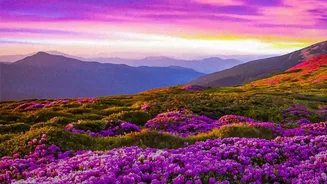
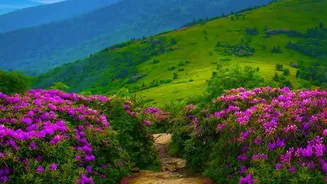
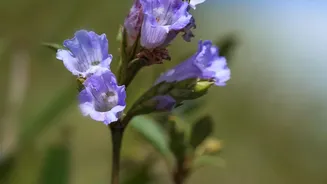
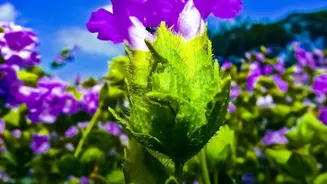
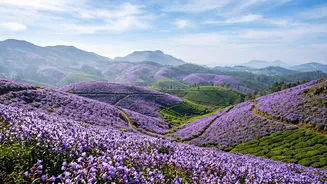
The hills of Munnar in Kerala don’t just offer rolling tea gardens; they are home to one of nature's most patient and spectacular phenomena: the blooming of the Neelakurinji flower. Scientifically known as Strobilanthes kunthiana, this shrub has an extraordinary
life. It grows, waits, and then, only once every 12 years, bursts into a mass flowering event that blankets entire mountainsides in a surreal violet-blue carpet. After this grand display, the plant completes its life cycle and dies, leaving behind seeds that will begin the long wait all over again. While the most famous bloom occurred in Eravikulam National Park in 2018 and is expected again in 2030, the story is more complex. Different patches of these flowers across the Western Ghats follow their own distinct 12-year schedules. In fact, a significant bloom is currently underway in September 2026 in areas like Chokramudi and Mattupetty, reminding us that the Neelakurinji’s clock is always ticking.
More Than Just a Pretty Flower
The visual splendour of the bloom is just the surface. Ecologically, this mass flowering is a critical event for the shola grasslands of the Western Ghats. The sudden abundance of nectar provides a massive feast for pollinators, especially honey bees, leading to the production of a rare and prized 'Kurinji honey'. The flower acts as an indicator species, meaning its health and blooming cycle are a direct reflection of the health of its fragile high-altitude ecosystem. Its presence supports a delicate web of life, from insects to the endangered Nilgiri Tahr that roams these hills. The synchronised flowering is a survival mechanism, overwhelming seed predators and ensuring a new generation can take root, continuing a cycle that has unfolded for centuries.
A Cultural and Economic Anchor
For the local communities, Neelakurinji is not just a plant; it is a timestamp. Indigenous communities like the Paliyan and Muthuvan tribes have traditionally used the 12-year cycle to calculate their age and mark generations. Its significance is woven into the region's cultural fabric, with mentions in ancient Sangam literature, where 'Kurinji' denotes the mountainous landscape itself. Economically, a bloom year is a powerful engine for tourism in Kerala. It draws hundreds of thousands of visitors—nature enthusiasts, photographers, and curious travellers from around the globe—providing a significant boost to local businesses, from hotels to taxi drivers. This natural spectacle transforms Munnar into a global destination, placing it firmly on the world’s botanical map.
The Perils of Popularity
However, this fame comes at a cost. The surge in tourism during bloom season puts immense pressure on the fragile ecosystem. Past events have been marred by issues of 'over-tourism,' with reports of tourists trampling the delicate shrubs, plucking the protected flowers for selfies, and leaving behind heaps of plastic waste. The plant's habitat is already under threat from the expansion of plantations and infrastructure projects. Recognizing these dangers, authorities have started implementing measures like carrying-capacity studies and requiring visitors to stay on designated paths. The challenge is to balance the economic opportunity of the bloom with the urgent need to protect the very wonder that people come to see.
Why the Story Must Be Told
This is precisely why Neelakurinji deserves a permanent place in our content mix, not just a viral flash every 12 years. It is a living story about conservation and our collective responsibility. In 2024, Strobilanthes kunthiana was officially classified as a 'Vulnerable' species on the IUCN Red List due to habitat loss, highlighting the urgent need for its protection. Covering the Neelakurinji story is about more than just posting pretty pictures; it’s about explaining the delicate balance between nature and human activity. It’s an opportunity to discuss responsible travel, the importance of biodiversity, and the ongoing efforts to preserve the shola grasslands, such as the creation of the Kurinjimala Sanctuary. The narrative of this flower is a powerful reminder that some of nature’s greatest gifts are also its most fragile.