






Go Pandal Hopping Through an Open-Air Museum
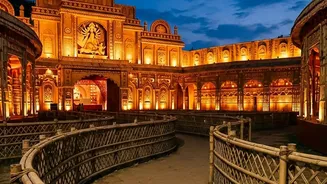
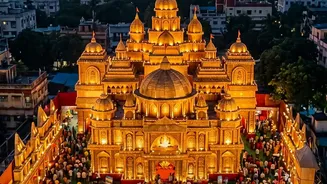
The heart of Durga Puja is 'pandal hopping'—exploring the thousands of temporary, themed pavilions that house the idol of Goddess Durga. These are not mere tents; they are architectural marvels and elaborate art installations. Community clubs compete
to create the most innovative themes, drawing from mythology, world events, or abstract concepts. North Kolkata pandals, like Bagbazar Sarbojanin and Kumartuli Park, often retain a traditional charm. In contrast, South Kolkata pandals such as Ekdalia Evergreen and Suruchi Sangha are famous for their grandeur and artistic experimentation. This city-wide exhibition, recognised by UNESCO, turns every street corner into a potential discovery.
Explore the Historic Bonedi Bari Pujas
For a journey back in time, step away from the massive community pandals and into the courtyards of the 'Bonedi Baris'—the ancestral homes of Kolkata's old aristocratic families. These pujas, some continuing for centuries, offer a more intimate and traditional experience. Homes like the Sovabazar Rajbari, which once hosted British elites, and the Jorasanko Dawn Bari showcase time-honoured rituals, heirloom decorations, and the classic 'ekchala' (single-frame) idol style. Visiting these heritage pujas provides a quieter, deeply-rooted counterpoint to the public festivities, revealing the historical soul of the celebration.
Indulge in a Grand Culinary Feast
Durga Puja is as much a feast for the palate as it is for the eyes. The streets come alive with vendors selling Kolkata's iconic snacks. No pandal-hopping experience is complete without trying phuchka, the city's version of pani puri, or a classic Kathi Roll. For something more substantial, look for fish chops or cutlets served with tangy kasundi mustard. Beyond street food, the festival is a time for elaborate Bengali meals. Many pandals serve 'bhog'—a blessed community lunch, usually featuring khichuri and a mixed vegetable dish called labra. Restaurants offer festive menus with delicacies like Kosha Mangsho (slow-cooked mutton) and Chingri Malai Curry (prawns in coconut cream).
Witness the Spectacle of Dhunuchi Naach
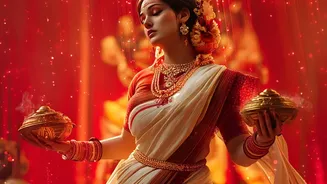
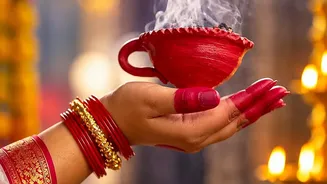
As dusk falls, the air fills with the rhythmic beat of the 'dhak,' a traditional Bengali drum that is the unmistakable soundtrack of the Puja. This is often accompanied by the Dhunuchi Naach, a ritualised dance performed while holding a 'dhunuchi'—an earthen pot filled with burning coconut husks and incense. Devotees, balancing the smoking censers, dance before the goddess in a mesmerising display of devotion and energy. It is a powerful performance, part prayer and part celebration, that engages all the senses with its hypnotic drumming, fragrant smoke, and graceful, trance-like movements. It's a cultural spectacle that is quintessentially Pujo.
Experience the Emotion of the Grand Immersion
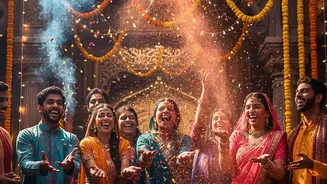
The festival culminates on Vijaya Dashami with the 'Bisarjan,' or idol immersion. This final day, in 2026 falling on October 21st, is filled with joyous yet melancholic celebrations. Married women first participate in 'Sindoor Khela,' smearing vermilion powder on each other and on the goddess's feet, a ritual celebrating womanhood and praying for marital bliss. Afterwards, massive processions carry the idols to the ghats of the Hooghly River. Amidst cheers of 'Asche bochor abar hobe!' (It will happen again next year), the idols are immersed, symbolising the goddess's return to her heavenly abode.