







The Keepers of the Kitchen
Historically, in many cultures across India and the world, the kitchen has been the domain of women. This isn't just about fulfilling a domestic role; it's about presiding over a center of creativity, health, and culture. For centuries, women have been the primary
custodians of culinary heritage. They became the keepers of family recipes, the scientists of spice blends, and the teachers who passed down techniques from mother to daughter. This knowledge was never just about sustenance. It was about knowing how to use spices for their medicinal properties, how to preserve the bounty of a season to feed a family through the year, and how to prepare specific dishes that mark festivals and milestones. This transmission of knowledge is deeply gendered, with women traditionally responsible for its preservation and teaching, creating a culinary identity linked to heritage and family history.
Elders as Living Libraries
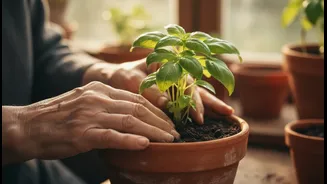
If women have been the keepers, elders have been the chief librarians. They are the living connection to a family's and a community's past. Their knowledge often goes beyond a single recipe; they remember the 'why' behind traditions and the original context of customs that written sources often lack. An elder's food knowledge is a holistic system. It includes understanding local ecosystems, knowing which wild greens are edible, recognizing the peak season for every fruit, and mastering techniques like fermentation or sun-drying that were developed for survival and flavour. Cooking with an elder is more than a lesson; it's an exchange of oral history where stories of childhood, migration, and celebration are woven into the process, bringing the past to life in a tangible, nourishing way. This role as a guardian of tradition makes them a vital bridge between generations.
When the Chain is Broken
Today, the chain of knowledge from elder to youth is under strain. The forces of globalization, urbanization, and modernization are changing how we live and eat. As families migrate to cities, traditional ingredients are often replaced by mass-produced alternatives. The rise of industrial food, with its promise of convenience, has supplanted many local practices. This shift not only threatens to homogenize our palates but also leads to the loss of biodiversity, as indigenous crops and artisanal production methods become marginalized. Younger generations, drawn to modern lifestyles and fast food, may lack the time or context to learn from their elders. When an elder passes away without their knowledge being documented or shared, a library of information can be lost forever, threatening not just recipes, but cultural identity itself.
A Recipe for Revival
Fortunately, a counter-movement is growing. Across India and the world, there's a renewed appreciation for this precious heritage. Chefs, home cooks, and cultural organizations are making concerted efforts to document and revive forgotten recipes. Initiatives like Bengaluru's Tijouri are creating platforms for home chefs and community cooks to showcase lesser-known regional traditions, even incorporating their recipes into a permanent, evolving menu. Digital platforms, food festivals, and culinary workshops are helping to bridge the generational gap, creating new ways for this knowledge to be shared. Some are even looking to organizations like UNESCO, which lists food traditions as part of humanity's Intangible Cultural Heritage, for inspiration. These efforts aren't just about nostalgia; they promote sustainability by encouraging the use of local, seasonal ingredients and support the communities that hold this knowledge.