


A Frame for Your Living Art
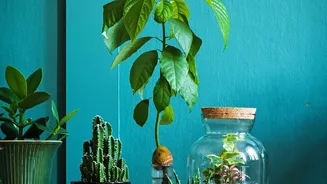
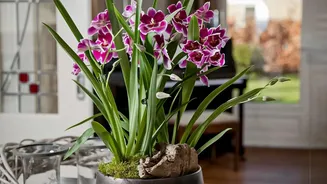
Think of your plant as a masterpiece of nature. The pot, then, is its frame. A garish, overpowering frame can distract from the artwork, while a well-chosen one enhances its best qualities and integrates it into the surrounding decor. The goal is harmony.
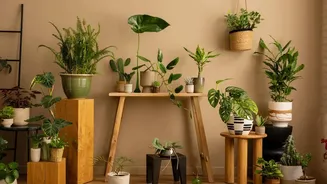
You want the pot and plant to feel like a cohesive unit, working together to create a single, beautiful statement in your home. This doesn't mean the pot has to be boring. A bold pot can be the perfect partner for a simple plant, and a neutral pot can provide a calming foundation for a plant with vibrant, patterned leaves. The key is to be intentional, considering how the two elements interact.
Speaking With Colour
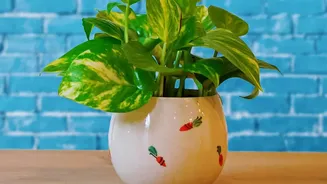
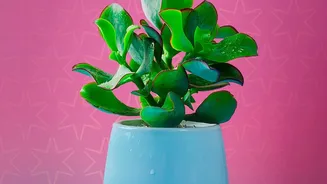
Colour is the most immediate way to create a connection between pot and plant. Basic colour theory can be your guide. For a bold, energetic look, choose a pot with a complementary colour—one that sits opposite your plant's main hue on the colour wheel. For most green plants, this could mean pots in shades of red or pink. If you want a more subtle, calming effect, opt for analogous colours, which are next to each other on the colour wheel, like a blue-green pot for a green plant. A monochromatic scheme, using different shades of the same colour, can also be very sophisticated. Neutral pots in white, grey, beige, or black are the most versatile. A crisp white pot makes lush green foliage pop, while a dark charcoal pot can give a silvery-leafed plant a modern edge. Consider your room's background as well; a pot that contrasts with the wall behind it can create a stunning focal point.
The Language of Shape and Form
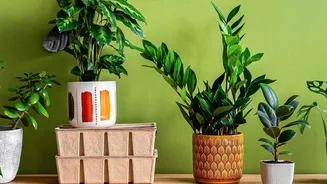
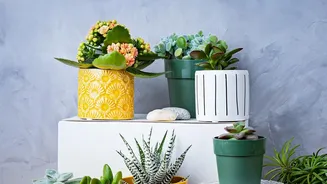
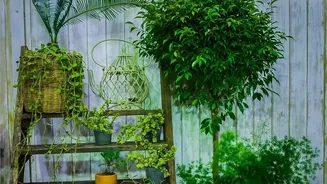
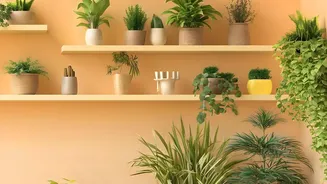
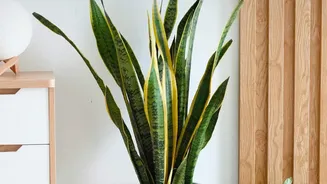
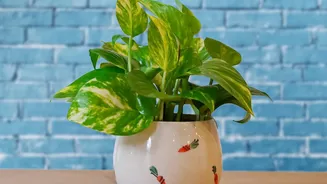
Beyond colour, the shape of the pot plays a huge role. The pot's silhouette should complement the plant's natural growth habit. A tall, slender snake plant looks elegant and even more statuesque in a tall, narrow pot that echoes its vertical lines. Sprawling, sculptural plants like a monstera or a fiddle leaf fig can be balanced by a wide, sturdy pot that gives them a solid base. Trailing plants like pothos or string of pearls are beautifully showcased in hanging baskets or pots on a high shelf, allowing their foliage to cascade freely. For a collection of small plants, like succulents and cacti, a wide, shallow bowl allows you to create a miniature landscape. The idea is to match the form of the pot to the form of the plant, creating a visual balance that feels natural and complete.
Texture and Material Matter
The material of the pot adds another layer of texture and style. The classic rusty-brown terracotta pot is porous, allowing air and moisture to pass through, which is great for plants that dislike 'wet feet' like succulents. Its earthy, natural feel suits almost any plant and decor style. Glazed ceramic pots come in a vast array of colours and patterns, offering endless decorative possibilities. Because they are not porous, they retain moisture better, making them a good choice for thirsty plants. Materials like concrete can lend a modern, industrial feel, while metal planters might add a traditional or rustic touch, though they can overheat in direct sun. Even lightweight plastic pots, which are affordable and excellent at retaining moisture, come in many stylish designs that can look just as chic.
Function Before Form
While aesthetics are important, the health of your plant should always come first. The most crucial feature of any pot is a drainage hole. Without it, excess water can collect at the bottom, leading to waterlogged soil and root rot, one of the most common ways houseplants perish. If you fall in love with a decorative pot that lacks a hole, use it as a cachepot: keep your plant in its plastic nursery pot (with holes) and simply place it inside the decorative one. Pot size is also critical. A pot that is too large can hold too much moisture, and the plant may struggle. A good rule of thumb is to choose a pot that is just 1-2 inches wider in diameter than the plant's current root ball. This gives the roots room to grow without overwhelming them.