






A Tale of Two Names
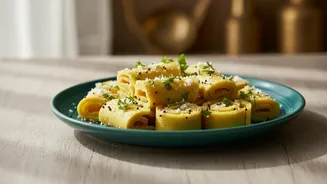
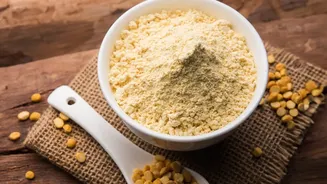
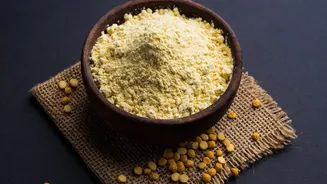
Known as Suralichi Vadi in Maharashtra and Khandvi in Gujarat, this savoury snack is a testament to the culinary artistry of Western India. Made from a base of gram flour (besan), these delicate rolls are light, healthy, and incredibly flavourful. While
some traditional methods involve a more time-consuming process with fermented lentils, the most popular and accessible version today relies on a quick batter of besan and either yogurt or buttermilk. The besan and buttermilk combination, specifically, offers a beautiful tang and a reliable texture, making it a fantastic and straightforward choice for home cooks wanting to master this iconic dish.
Mastering the Batter
The success of your Suralichi Vadi hinges almost entirely on the batter. The ratio is key: a common guideline is one part besan to two or three parts liquid, which is typically buttermilk or a mix of yogurt and water. Before you even begin cooking, whisk the besan, buttermilk, turmeric, salt, and perhaps a bit of ginger-chilli paste until it is completely smooth. Any lumps at this stage will be difficult to remove later, so using a blender or passing the mixture through a sieve is a pro-tip for a silky-smooth final product. The goal is a thin, pourable batter with the consistency of a light pancake mix, free of any granules of flour.
The Crucial Cooking Stage
Once your batter is smooth, pour it into a heavy-bottomed or non-stick pan over low to medium heat. Now comes the most important part: continuous stirring. Do not stop stirring, as this prevents lumps from forming and ensures the batter cooks evenly. As you stir, you will notice the batter gradually transform from a thin liquid to a thick, glossy paste. This process can take anywhere from 8 to 17 minutes. The batter is ready when it starts to pull away from the sides of the pan and no longer tastes of raw flour. A foolproof way to check is the plate test: spread a tiny spoonful on a plate. After a minute, if you can easily peel and roll it, the batter is perfect.
The Art of the Spread
Once the batter is cooked, you must work quickly. The mixture begins to set almost immediately as it cools. Have your surfaces ready beforehand—the back of steel plates (thalis), large trays, or even a clean kitchen countertop are all good options. Pour a ladleful of the hot batter onto your chosen surface and use a flat spatula or the back of a spoon to spread it into a very thin, even layer. The thinner the layer, the more delicate and numerous the spirals in your final roll will be. Don't worry if the first few attempts aren't perfect; speed and a steady hand are what matter most here.
Rolling and Finishing
Let the spread batter cool for a few minutes until it is no longer sticky to the touch. Then, using a knife, cut the sheet into long strips about two inches wide. Now for the magical part: starting from one end, gently lift the edge and carefully roll the strip into a tight spiral. Arrange these beautiful yellow rolls on a serving platter. The final touch is the tempering, or tadka. Heat a little oil and splutter mustard seeds, cumin seeds, asafoetida (hing), and perhaps some curry leaves and sesame seeds. Drizzle this aromatic tempering over the rolls, and garnish generously with fresh grated coconut and finely chopped coriander leaves.
Troubleshooting Common Issues
If your vadi is breaking while rolling, it often means the batter was slightly overcooked or became too dry. Conversely, if it’s too sticky and won’t roll, the batter was likely undercooked. The plate test is your best friend to avoid both scenarios. If you find yourself struggling to spread the batter fast enough, enlist a family member to help or keep the pot of batter over a very low heat to prevent it from setting too quickly. With a little practice, this seemingly daunting recipe will become a rewarding and delicious part of your culinary repertoire.