
Honey’s Complex Character
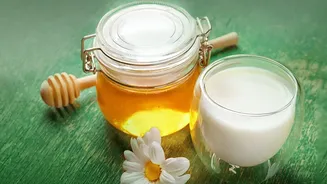
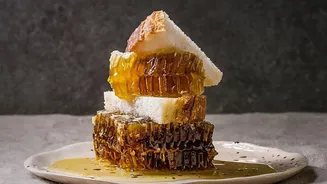
To understand the magic, we first need to look past honey's simple reputation as a sweetener. Honey is a wonderfully complex substance, a rich tapestry of not just sugars like fructose and glucose, but also a diverse array of amino acids, enzymes, and organic
acids. These components, which vary depending on the bees' floral source, give each honey its unique personality—from light and citrusy to dark and malty. The real secret, however, lies in its volatile organic compounds. These are the molecules responsible for honey's incredible aroma, which can range from floral and fruity to woody and spicy. This aromatic profile is crucial because our sense of smell is deeply linked to how we perceive taste, and honey's aroma can actually enhance its perceived sweetness.
Chamomile's Gentle Power
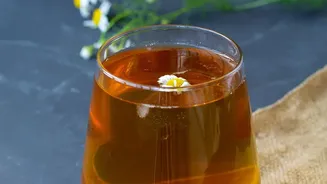
Chamomile, on the other hand, brings a different kind of complexity to the table. Known for centuries as a calming botanical, its flavour profile is equally gentle and nuanced. The flower’s signature taste is often described as apple-like, with earthy, hay-like undertones. This comes from compounds like apigenin and luteolin. While its soothing reputation certainly adds a psychological layer of comfort to any dish, its distinct herbal and subtly fruity flavour provides a perfect counterbalance to richer, sweeter ingredients. In a dessert, it doesn't just add a floral note; it introduces a sophisticated, almost savoury element that prevents a sweet dish from becoming one-dimensional.
The Delicious Chemical Reaction
When honey and chamomile are brought together in a dessert, true culinary chemistry unfolds. It’s a synergistic relationship where each ingredient enhances the other. The organic acids in honey can cut through and brighten the earthy notes of chamomile, while chamomile’s floral delicacy can temper honey’s sometimes intense sweetness. When heated, as in a cake batter or a glaze, the sugars in honey undergo caramelization and the Maillard reaction, creating deep, toasted flavours. When chamomile is infused into this process—for example, by steeping it in milk or cream that is then mixed with honey—its volatile compounds bond with the developing flavour molecules. The result is a fusion of flavour that is far more than the sum of its parts: a warm, toasty sweetness layered with a gentle, aromatic, and ethereal floral quality that you simply cannot achieve with either ingredient alone.
Magic on the Menu
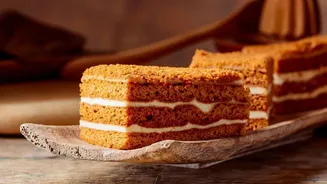
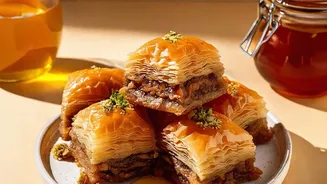
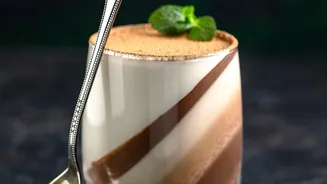
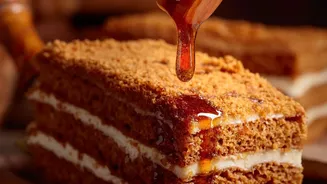
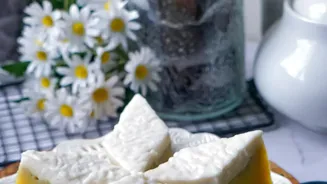
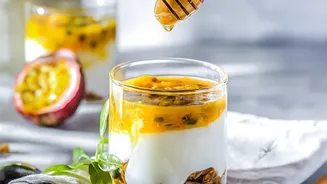
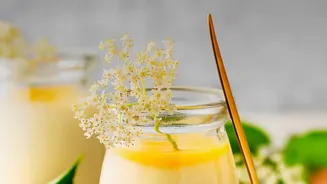
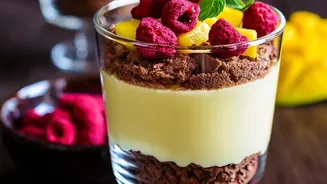
This perfect pairing is being celebrated by artisanal bakers and pastry chefs in a variety of creative ways. One of the most elegant applications is in a creamy panna cotta, where chamomile is steeped into the cream and honey is used as the primary sweetener. The result is a silky, wobbly custard that is both comforting and refined. In baking, finely ground chamomile flowers can be added to cookie dough or cake batter, with honey replacing some of the sugar to lend moisture and a deeper flavour. This creates treats with a subtle, fragrant crumb. Other popular creations include honey-chamomile infused ice creams and sorbets, which offer a refreshing and soothing experience, and delicate glazes for bundt cakes that seep into the sponge, ensuring every bite is perfumed with the duo's signature flavour.