





The Tyranny of the ‘Must-Do’ List
We’ve all felt it: the low-grade panic that you might be missing something. Fueled by perfectly curated social media feeds, the fear of missing out (FOMO) has transformed travel for many. Holidays become a performance, a frantic dash from one landmark
to the next, with little time to absorb the experience. This pressure creates a strange paradox: we travel to escape the rush of daily life, only to find ourselves chasing a different kind of deadline. The goal shifts from genuine connection to content capture, and we return home with a camera roll full of photos but a vague sense of emptiness, needing a vacation from our vacation. The focus is on doing more, seeing more, and proving you were there, rather than simply being there.
Surrendering to Safari Time
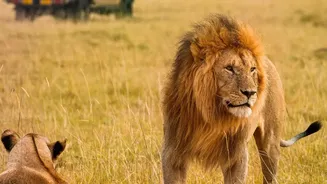
A safari immediately and fundamentally breaks this cycle. Here, your schedule is not your own; it belongs to the wilderness. The day is dictated by the rhythms of the animals and the sun. Wake-up calls come before dawn, not to catch a train, but because that’s when predators are most active. The hot, quiet midday hours are for siestas, not sightseeing, because the animals themselves are resting in the shade. This enforced slowdown is not a limitation but a liberation. By removing the illusion of control and the endless list of choices, a safari forces you to surrender. You can't schedule a leopard sighting or book an appointment with an elephant herd. All you can do is show up, wait, and watch.
The Profound Joy of Waiting
In our hyper-efficient world, waiting is often seen as wasted time. On a safari, waiting is the main event. It’s an active, engaged patience. Hours can be spent in a vehicle, scanning the horizon, listening to the sounds of the bush. It’s a form of unintentional meditation. You start to notice the small things: the alarm call of a bird, the way the wind moves through the grass, the scent of wild herbs crushed under the tires. This is the heart of slow travel—trading a packed itinerary for a deep, immersive connection with your surroundings. And the reward for this patience is immense. A sighting that is earned through quiet observation feels infinitely more profound than one that is simply ticked off a list. It's a moment of genuine discovery, not just consumption.
From Checklist to Connection
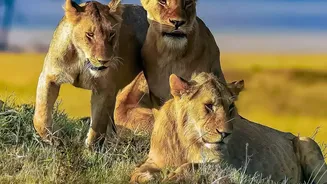
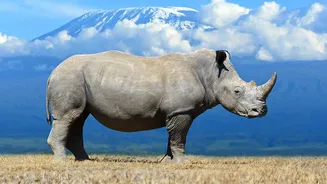
Many first-time safari-goers arrive with a “Big Five” checklist: lion, leopard, rhinoceros, elephant, and Cape buffalo. While seeing these iconic animals is a thrill, the safari experience quickly teaches a different kind of appreciation. The focus shifts from what you see to how you see it. An expert guide doesn't just drive you to the animals; they interpret the environment. They teach you to read tracks, understand behaviour, and see the intricate web of connections in the ecosystem. Suddenly, the journey is no longer about collecting sightings. It becomes about understanding stories—the tension between a predator and its prey, the social dynamics of a baboon troop, the ancient migratory path of an elephant family. The guide helps transform a series of animal encounters into a cohesive, meaningful narrative.
A Skill You Take Home
The greatest souvenir from a safari isn’t a photograph; it’s a changed perspective. You learn that stillness is not emptiness and that the most memorable moments are often the ones you didn't plan for. This mindset—the joy of missing out (JOMO), as some call it—is transferable. You can apply the art of patient observation to a walk in a local park, an afternoon in a city cafe, or your next beach holiday. By trading the fear of missing out for the joy of tuning in, you don't just have a better vacation; you learn a more fulfilling way to experience the world. It’s a reminder that sometimes, the most rewarding thing you can do is to simply sit still and pay attention.