



The Return of an Ancient Staple
For generations, millets were a cornerstone of the Indian diet, valued for their resilience and nutrition. Grains like ragi, jowar, and bajra were everyday foods, long before rice and wheat became dominant. However, with the Green Revolution favouring
high-yield crops, millets were gradually sidelined, often dismissed as the food of the rural poor. Now, a powerful shift is underway. Driven by a renewed focus on health, sustainability, and a desire to reconnect with traditional food wisdom, these humble grains are experiencing a major resurgence. This comeback was significantly amplified by the United Nations declaring 2023 the International Year of Millets, an initiative proposed by India to raise global awareness.
A Nutritional Powerhouse
The renewed popularity of millets is firmly rooted in their impressive health benefits. These grains are naturally gluten-free, rich in fibre, and packed with essential proteins, vitamins, and minerals. Their low glycemic index helps in managing blood sugar levels, making them an excellent choice for a balanced diet. Different millets offer unique advantages: ragi is a calcium powerhouse, great for bone health; bajra is rich in iron, helping combat fatigue; and jowar is loaded with antioxidants that support heart health. By rotating these grains, one can access a wide spectrum of nutrients that no single cereal can provide. This makes them a smart choice for a filling and energetic start to the day.
The Breakfast Platter Reimagined
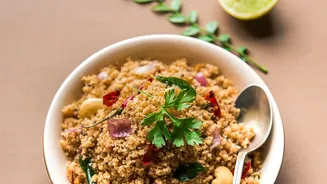
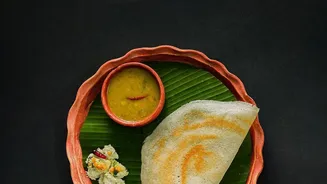
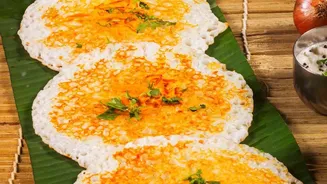
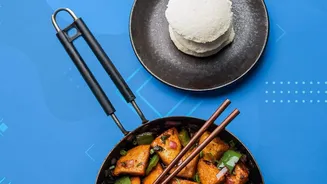
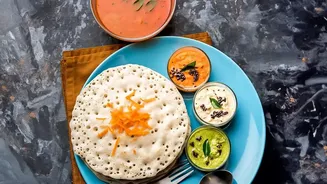
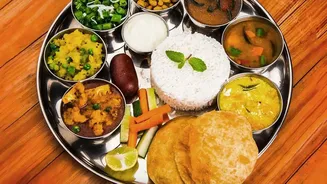
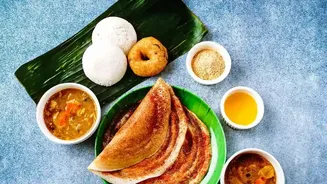
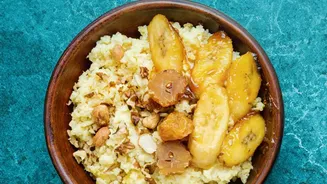
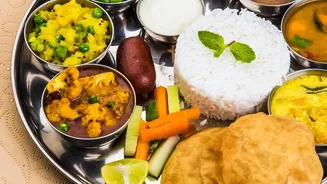
The most exciting part of this revival is how creatively millets are being integrated into regional breakfast traditions across India. In the South, rice and semolina in classic dishes are being swapped for millet alternatives. You can now find soft ragi idlis, crispy foxtail millet dosas, and savoury kodo millet upma. A traditional Pongal, once made with rice, is now popularly prepared with foxtail or barnyard millet for a lighter yet equally comforting meal. In the western states of Rajasthan and Gujarat, bajra has long been a staple, traditionally used in rotis and the wholesome bajra khichdi, which serves as a hearty breakfast. In Maharashtra and Karnataka, jowar finds its place in porridge and the traditional bhakri flatbread, often enjoyed in the morning. This adaptability allows households to enjoy familiar tastes with enhanced nutrition.
Making Millets Work for You
While the idea of cooking with millets might seem time-consuming, modern kitchens have found ways to make it effortless. Many millet varieties, like foxtail and little millet, cook as quickly as rice. Millet flours, such as ragi and jowar, allow for instant dosas and chillas that don't require the long fermentation times of their rice-based counterparts. Preparing a simple millet porridge is another quick option; it can be made in under 30 minutes or even prepared the night before for a speedy morning meal. For those new to these grains, starting with millet rawa (semolina) for upma is an easy entry point, as the cooking process is nearly identical to traditional recipes. Soaking the grains for a few hours can also reduce cooking time and improve nutrient absorption.