



Choose a Unifying Theme
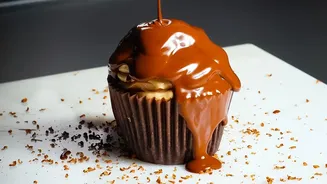
A theme brings your dessert selection together and makes the event feel intentional. You could focus on a single star ingredient, like a "Tribute to Chocolate" night featuring everything from dark chocolate tartlets to white chocolate mousse. Other ideas
include a seasonal theme, such as autumnal spices with apple crumbles and pumpkin cheesecakes, or a regional one, like classic French pastries. A theme also helps guide your drink pairings and decor, creating a cohesive and immersive experience for your guests.
Curate a Balanced Menu
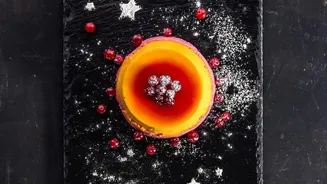
Variety is key to a successful tasting. Aim for three to five different desserts that offer a range of flavours and textures. Think about including something rich and creamy, like a chocolate pot de crème; something bright and fruity, like a lemon posset; something warm and comforting, like mini apple crumbles; and something with a bit of crunch, like a nutty shortbread cookie. This ensures there's something for every palate and prevents flavour fatigue.
Perfect the Portions
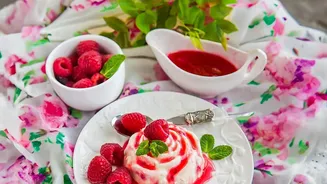
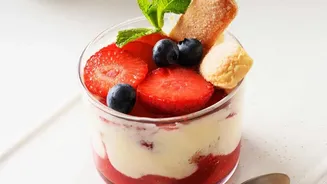
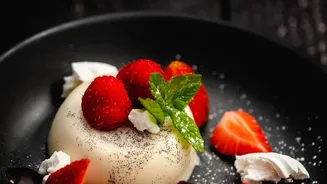
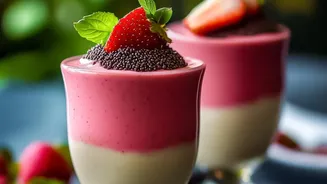
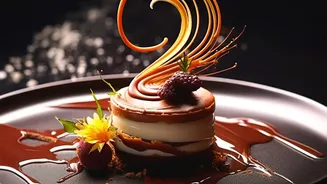
The goal is a tasting, not a food coma. Keep the portions small—think two to three bites each. This allows guests to sample everything on offer without feeling overwhelmed. Serve desserts in miniature form, such as individual mousse cups, tiny tartlets, or brownies cut into small squares. Using small, clear plates or elegant tasting spoons can also enhance the presentation and encourage guests to try a bit of everything.
Elevate with Drink Pairings
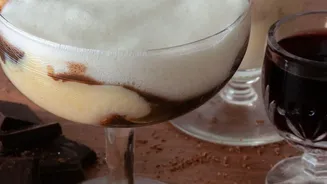
The right beverage can transform your dessert course. A general rule is to ensure the drink is at least as sweet as the dessert, otherwise the drink can taste flat. Coffee is a classic choice, and you can create a sophisticated coffee bar with different roasts and creamers. For alcoholic options, sparkling wines like Prosecco pair wonderfully with fruit-based and creamy desserts. Rich chocolate desserts are beautifully complemented by port wine or a bold Old Fashioned cocktail. For a citrus-forward dessert like a key lime pie, a Whisky Sour or a crisp Sauvignon Blanc can be a refreshing match. Don't forget non-alcoholic options like sparkling apple cider or specialty teas.
Set an Inviting Atmosphere
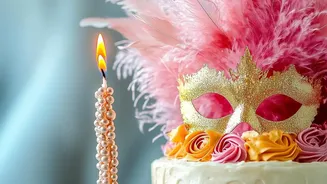
Ambiance is just as important as the food. You don't need elaborate decorations; simplicity is elegant. Dim the overhead lights and use candles or soft string lights to create a warm, inviting glow. A simple, neutral tablecloth can make the colours of the desserts pop. Use serving platters and cake stands of varying heights to create a visually appealing display that looks abundant and organized. Finally, curate a playlist of background music that matches the sophisticated but relaxed mood you want to create.
Orchestrate the Tasting Flow
To guide your guests' palates, it's best to arrange the desserts from lightest to richest. Start with fruitier or more delicate flavours before moving on to intense chocolate or caramel creations. You might also consider providing a small palate cleanser, like plain water or simple, unsalted crackers, for guests to have between different desserts. To encourage mingling, you can set up the desserts on a buffet table and provide plenty of seating areas where guests can lounge and chat as they enjoy the treats.