


The 'Evening Star' Takes Centre Stage
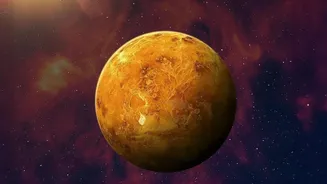
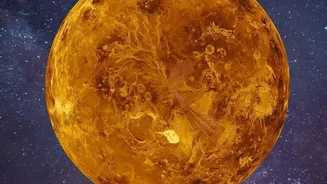
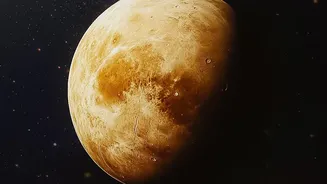
Venus is often called the 'Evening Star' or 'Morning Star' because, due to its orbit being inside Earth's, it never strays far from the Sun in our sky. This means we only see it in the twilight hours, either following the Sun down in the evening or heralding
its arrival in the morning. For the past several months, Venus has been a brilliant fixture in the western evening sky, growing progressively brighter and climbing higher. Now, this celestial performance is reaching its peak. On August 15, 2026, Venus will reach a special point in its orbit known as its greatest eastern elongation. This event marks the best time to view the planet in its current evening appearance.
What 'Greatest Elongation' Means
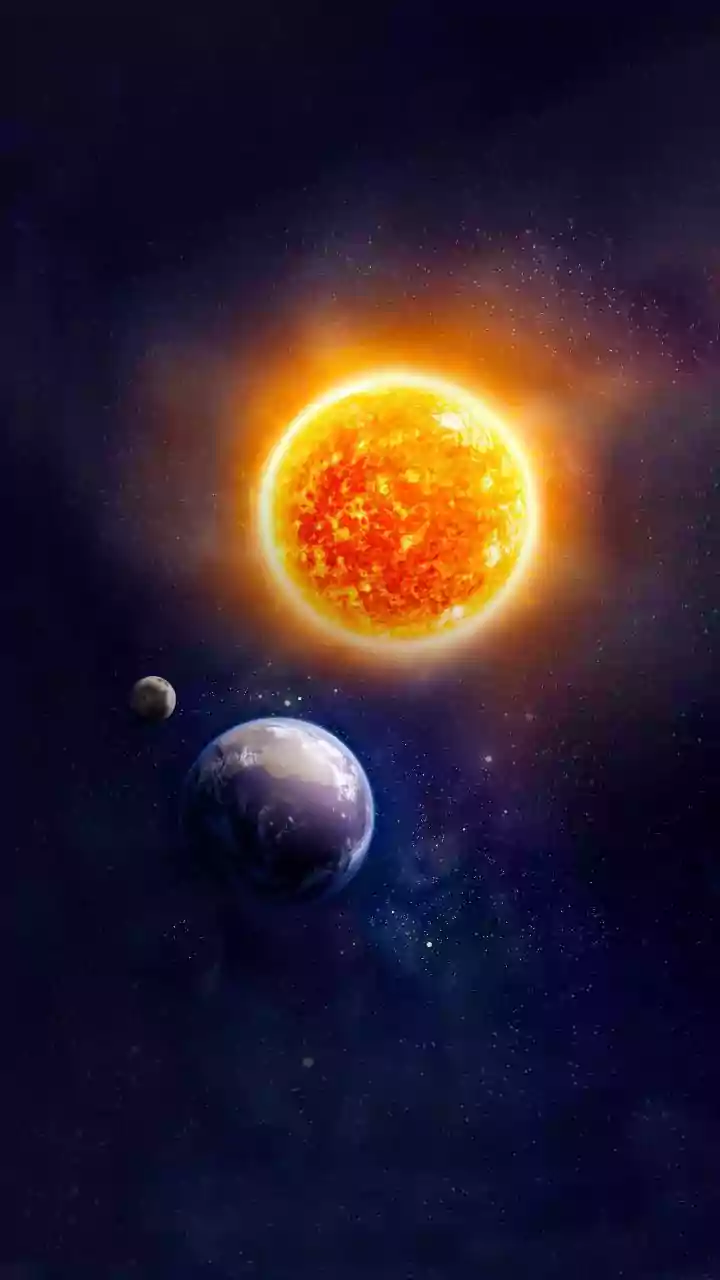
In astronomical terms, elongation refers to the apparent angle between the Sun and a planet as seen from Earth. For planets that orbit closer to the Sun than we do, like Venus and Mercury, this angle has a maximum value. 'Greatest elongation' is simply the moment when Venus appears farthest from the Sun's glare from our perspective. When this happens in the evening sky, it’s called an eastern elongation. This year, on August 15, Venus will be a full 46 degrees away from the Sun. This wide separation means the planet will remain visible for longer after sunset, hanging like a brilliant lantern in the deepening twilight.
Why Venus Shines So Brightly
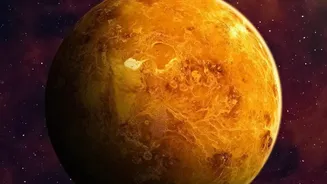
Venus’s spectacular brightness isn’t due to its size—it’s actually a little smaller than Earth. Its brilliance comes from two key factors. First, it's our closest planetary neighbour, allowing it to loom large in our sky. Second, and more importantly, Venus is shrouded in thick, highly reflective clouds of sulfuric acid. This dense cloud cover acts like a brilliant mirror, reflecting about 70% of the sunlight that hits it, making it the brightest object in our night sky after the Moon. Around its elongation on August 15, Venus will shine at a dazzling magnitude of -4.4, easily bright enough to be seen before the sky is completely dark.
How to Best View Venus
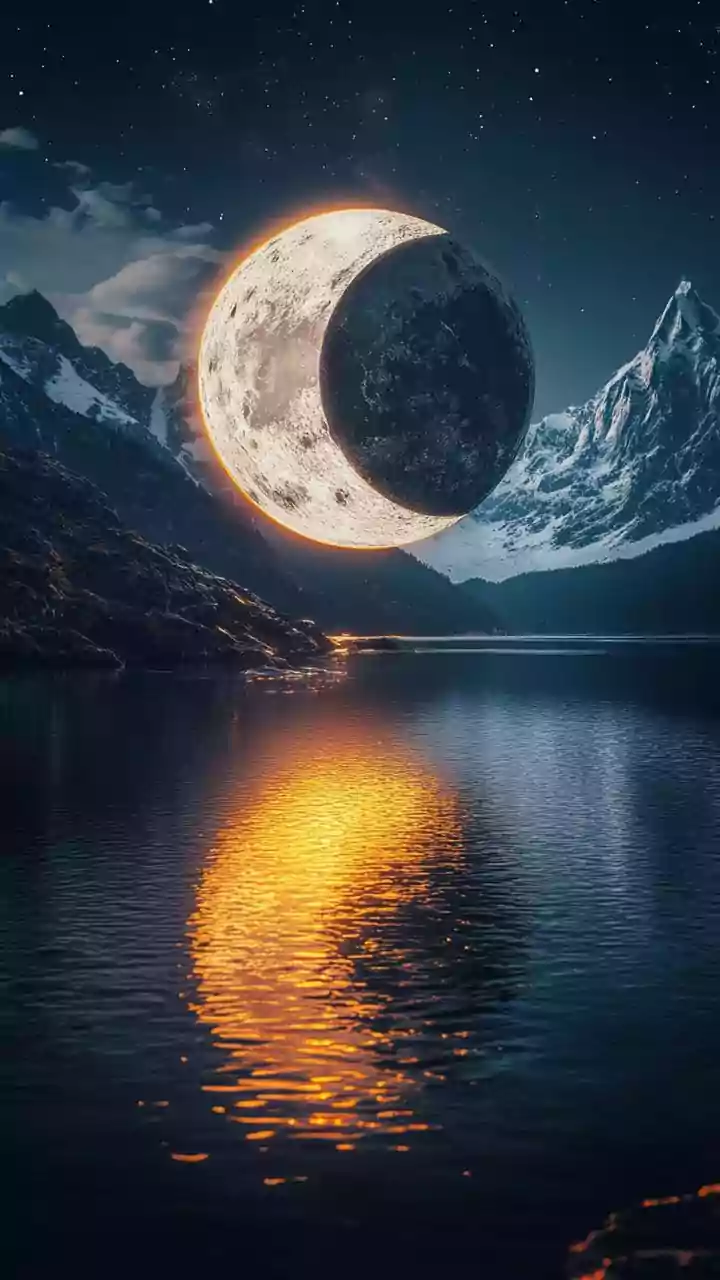
The good news is that you don’t need any special equipment to enjoy this celestial event. Venus is so bright it’s impossible to miss if you know where and when to look. Start looking toward the western horizon shortly after the Sun goes down. Venus will be the first 'star-like' object to appear, a steady, silvery-white beacon. Unlike a star, it won’t twinkle. For an optimal view, find a spot with a clear, unobstructed view of the west. While a telescope isn't necessary, even a pair of binoculars will enhance the experience. Through a small telescope or powerful binoculars, you'll be able to see that Venus isn't a simple point of light; around August 15, it will appear as a tiny, half-illuminated disc, much like a quarter moon.
What Happens After the 15th?
Greatest elongation marks the turning point in Venus's evening appearance. After August 15, while it will actually get slightly brighter for a few weeks, it will also begin to sink lower towards the horizon each evening. It will appear to get closer to the Sun from our vantage point, its phase will wane into a thinner crescent, and it will set earlier and earlier. By late October, it will pass between the Earth and Sun (an event called inferior conjunction) and disappear from the evening sky entirely. It will then re-emerge in the pre-dawn sky, beginning its next cycle as the 'Morning Star' in early 2027.