





The Heart of the Matter
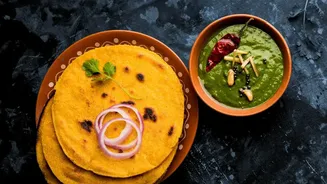
To understand Indian breakfast, one must first understand chutney. It's not merely a dip; it's a carefully crafted component that balances, contrasts, and completes a dish. Whether it's the fiery counterpoint to a mild idli or the tangy complement to a rich
paratha, chutney is a non-negotiable part of the morning meal. Made from a vast array of ingredients—from fresh herbs and vegetables to lentils, fruits, and spices—each chutney tells a story of its regional origins, climate, and local palate.
South Indian Staples: A Trio of Flavours
South India is arguably the heartland of breakfast chutneys, most famously served alongside fluffy idlis, crisp dosas, and savory vadas. The quintessential offering is a trio of colours and tastes. First is the classic white coconut chutney, a creamy, mild preparation made from freshly grated coconut, green chillies, ginger, and perhaps a touch of roasted gram for texture. This is often joined by a vibrant red chutney, typically a tomato or onion-based condiment that offers a tangy and slightly spicy kick. Rounding out the plate is a green chutney, usually made from coriander or mint, which provides a fresh, herbaceous note that cuts through the richness of the meal.
Northern Necessities: Spicy and Tangy
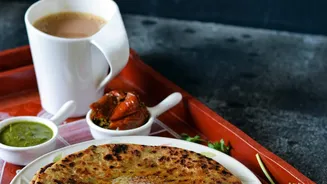
In North India, breakfast often means heartier fare like parathas, chole bhature, or samosas, and the chutneys served are just as robust. The most common pairing is a bright green coriander-mint chutney. This versatile condiment is spicy, tangy, and fresh, made by blending coriander and mint leaves with green chillies, ginger, garlic, and a souring agent like lemon juice or raw mango. It’s the perfect accompaniment to cut the richness of fried foods. Another staple is the sweet and sour tamarind chutney, or 'saunth'. Made from tamarind pulp, jaggery, and a blend of spices like cumin and ginger powder, its sweet tang provides a delicious contrast to savoury potato-stuffed parathas or spicy chole.
Western Wonders: A Hint of Sweetness
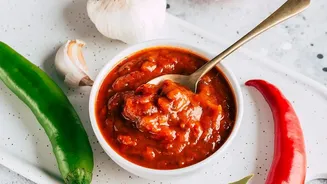
The western states of Gujarat and Maharashtra offer their own unique breakfast culture with dishes like dhokla, khaman, and poha. For fluffy dhokla, a green chutney is the classic accompaniment, but it often has a slightly sweeter profile to complement the savoury cake. This chutney typically features coriander, green chillies, and often a bit of sugar or coconut to balance the flavours. In Maharashtra, breakfast might include poha (flattened rice), which is sometimes enjoyed with a fiery garlic chutney, known as lasun chutney. Made from garlic, dried red chillies, and sometimes coconut, this pungent condiment adds a powerful punch of flavour.
Eastern Zing: The Pungent Power of Mustard
Heading east, especially to Bengal, the flavour profiles shift towards the pungent and sharp notes of mustard. While many breakfast items are served with simple sides, the influence of 'kasundi', a potent fermented mustard relish, is undeniable in the region's cuisine. While perhaps not a daily breakfast chutney for items like luchi, a version of this sharp, tangy condiment can be paired with savoury snacks. Made from ground mustard seeds, spices, and sometimes green mango, kasundi delivers a fiery, nose-tingling heat that is uniquely Bengali and showcases the sheer diversity of India's condiment universe.