





What's In The New Update?
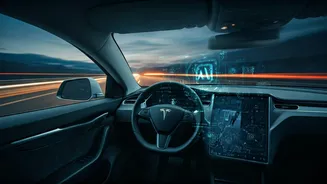
Tesla has begun rolling out a significant software update dubbed Full Self-Driving (FSD) v14 Lite. This new software, identified as version 2026.20.5.1, is specifically designed to bring a host of modern features—previously exclusive to newer models—to
a massive fleet of older vehicles. The update includes tangible new capabilities that owners have been requesting. Headlining the release are new parking, unparking, and reversing functions, allowing the car to handle more low-speed manoeuvres on its own. Also included are new 'Arrival Options', which let the driver designate whether the car should find a spot in a parking lot, on the street, or near the curb. The release notes also promise improved general driving comfort, with fewer false slowdowns and more consistent lane centering.
Defining the 'Legacy Fleet'
So, who exactly constitutes this 'legacy fleet'? The FSD v14 Lite update is targeted at the roughly four million Tesla vehicles equipped with what is known as Hardware 3 (HW3). Internally at Tesla, this is also referred to as the AI3 computer. For context, these vehicles had been largely stuck on an older software version since early 2025, watching as newer cars with Hardware 4 (HW4) received the latest and greatest features. This created a growing divide in the Tesla owner community. The new update aims to bridge that gap by giving these early adopters a taste of the company's newest AI advancements, essentially breathing new life into cars that are several years old.
The 'Lite' Distinction
The key word in this rollout is 'Lite'. While the update is substantial, it is not the full-fat FSD capability found on the latest cars. Tesla's AI chief, Ashok Elluswamy, explained that the new build 'distills' the driving intelligence from the more powerful Hardware 4 systems and adapts it for the less capable Hardware 3 computer. This was a necessary compromise. CEO Elon Musk previously admitted that HW3 vehicles would never be capable of achieving true, unsupervised self-driving, a clarification that disappointed many early buyers who had paid a premium for an FSD package they were told would one day be fully autonomous. This 'Lite' update, therefore, represents a significant consolation prize, delivering new functionality while implicitly acknowledging the hardware's ultimate limitations. The system remains a Level 2 driver-assist feature, requiring the driver's full attention at all times.
A Blueprint for the Industry
Tesla's strategy of supporting older vehicles with meaningful software updates is a stark contrast to the traditional automotive industry. For most carmakers, a new feature requires buying a new car. Tesla's approach builds immense brand loyalty and helps maintain the resale value of its vehicles. This FSD v14 Lite rollout is a masterclass in this philosophy. It's a complex engineering feat to port a sophisticated AI model designed for new hardware onto a computer with significantly less processing power. While other automakers are beginning to experiment with over-the-air updates, they are years behind Tesla in executing a software strategy at this scale. This update serves as both a reward for its existing customers and a powerful competitive advantage in a market that is slowly waking up to the importance of software-defined vehicles.