



The Route to a Hidden Paradise
The Mago drive is not for the faint of heart, but it is one of the most visually stunning journeys in Northeast India. Starting from the well-known town of Tawang, the route stretches approximately 85-100 kilometres towards the remote villages of Mago and
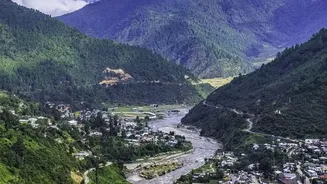
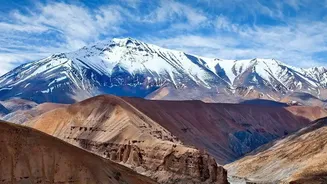
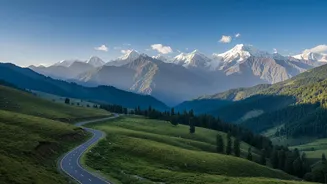
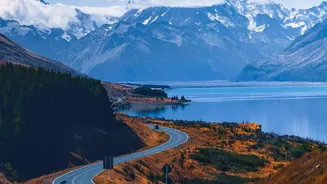
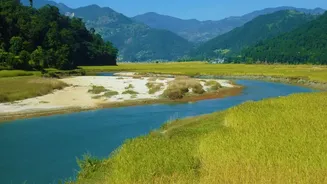
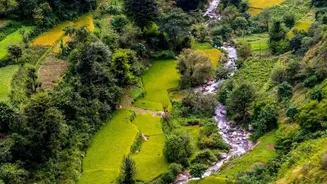
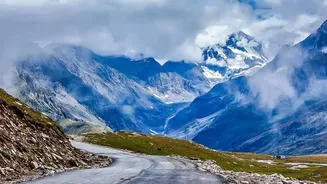
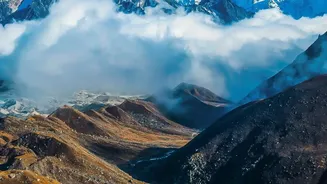
Chuna, near the Indo-China border. The drive takes about four to five hours one way, navigating rugged, high-altitude terrain that demands a 4x4 vehicle and an experienced local driver. The journey begins on a familiar road towards Jang, but soon diverges onto a path less travelled. This road, carved into cliff faces and following the roaring Mago Chu river, offers a continuous spectacle of raw, unfiltered nature—a landscape that feels almost surreal. It’s an adventure where the drive itself becomes the destination, rewarding creators with visuals that are both grand and intimate.
Planning Your Expedition
A trip to Mago requires careful planning. First, all Indian tourists need an Inner Line Permit (ILP) to enter Arunachal Pradesh, which can be applied for online. Foreign nationals require a Protected Area Permit (PAP). While your standard permit covers Tawang, the proximity of Mago to the border means you will pass through army checkpoints where you must present your documents. The best time for this drive is between October and November for crisp, clear skies and dry roads, or from April to May for pleasant weather before the monsoon. The monsoon season (June to August) is best avoided due to the risk of landslides. Accommodation in Mago is limited to a couple of basic homestays, so booking in advance is wise. Also, remember to carry enough cash, as there are no ATMs in the area.
Key Stops for a Creator’s Lens
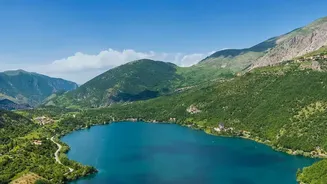
Every turn on the Mago drive presents a new frame. The initial stretch from Jang features the spectacular Nuranang Falls, also known as Jang Falls, which cascades from a height of about 100 meters. As you proceed, the road itself offers unique shots, especially the sections carved into cliffs like C-shaped caverns. Further along, the landscape opens up to reveal high-altitude lakes like Gonkarla Lake, where serene mountain reflections offer a perfect photo opportunity. The Murga Bridge, draped in colourful prayer flags, provides a spiritual and vibrant foreground against the rugged mountains. Finally, Chuna Valley, just 12 km from Mago village, is a creator’s dream. Home to the nomadic Brokpa yak herders, its wide meadows, traditional stone houses, and herds of yaks provide an authentic glimpse into a timeless way of life.
Essential Creator’s Toolkit
Packing the right gear is crucial. For photography, a wide-angle lens is essential for capturing the vast landscapes, while a telephoto lens will help you isolate distant peaks or document the local culture and wildlife from a respectful distance. Drones can capture the scale of the valleys and the winding roads, but always check local regulations. The cold high-altitude environment drains batteries quickly, so carry multiple spares and power banks. There is little to no mobile network, so consider this a digital detox. From a practical standpoint, pack warm, layered clothing, sturdy waterproof shoes, sunglasses, and a first-aid kit. Snacks and water are also a must, as facilities along the route are sparse.
Beyond the Drive: Mago and Chuna
The destination is as captivating as the journey. Mago is a small village of about 75 households, primarily of the Monpa community, where yak herding is a way of life. Life here is simple and deeply connected to nature. The village has natural hot springs, believed to have healing properties, which offer a perfect way to relax after the long drive. A short drive from Mago takes you to Chuna Valley, an even more remote and pristine area. Here, you can interact with the Brokpa community and even taste their traditional yak cheese. When creating content, remember to be respectful of the local culture. Engage with people, learn their stories, and capture the spirit of the place with sensitivity.