





The Pilates Method: Deep Core Control
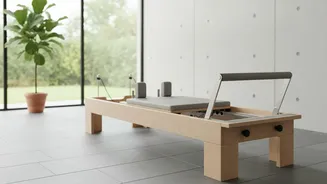
Pilates is a low-impact form of exercise that emphasizes controlled movements, proper alignment, and breathwork. Its primary focus is on strengthening the deep, intrinsic muscles of the core that act as a natural corset for your trunk. These include the transverse
abdominis, pelvic floor, and the small multifidus muscles along your spine. Think of Pilates as building your core from the inside out. The exercises are precise and often slow, which helps improve the connection between your brain and muscles, leading to better body awareness and control. This method is exceptional for building spinal stability, improving posture, and preventing the kind of muscular imbalances that can lead to injury.
The Circuit Training Approach: Dynamic Power
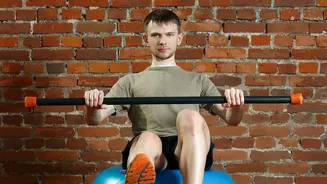
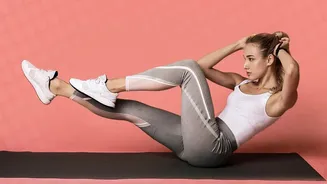
Circuit training involves performing a series of different exercises in quick succession with minimal rest in between. This approach combines strength and cardiovascular training, targeting multiple muscle groups at once for an efficient, high-intensity workout. When it comes to the core, circuit training often engages it through dynamic, full-body movements like kettlebell swings, squats, and push-ups. Your core has to work hard to stabilize your body against these larger movements, building functional strength. This method is excellent for burning calories and can help define the more superficial abdominal muscles, like the rectus abdominis (the "six-pack" muscles), as part of a broader fitness routine.
Type of Strength: Stability vs. Power
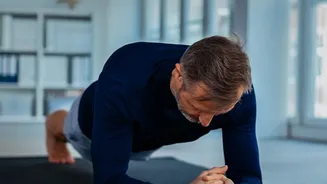
The core gains from each modality are different. Pilates excels at developing deep core stability and endurance. It teaches your muscles to support your spine and pelvis during everyday movements, which can significantly reduce back pain and improve posture. Circuit training, on the other hand, builds core strength in a more dynamic context. It challenges your core to stay rigid and transfer force during powerful, compound movements. While traditional strength exercises often focus on creating fatigue in the bigger muscle groups, Pilates hones in on precision and control to activate the deeper stabilising system that is often overlooked.
Which Is Right for Your Goals?
Choosing the right workout depends entirely on your personal fitness objectives. If your primary goal is to improve posture, alleviate back pain, and build foundational stability, Pilates is an excellent choice. Its focus on alignment and deep muscle activation provides unique benefits for spinal health. If your goals are more geared towards fat loss, overall muscle toning, and improving cardiovascular endurance, circuit training might be more effective due to its higher intensity. It provides a more comprehensive, calorie-burning workout in a shorter amount of time.
The Best of Both Worlds
Ultimately, you don't have to choose just one. In fact, Pilates and circuit training complement each other beautifully. The deep core control, stability, and body awareness gained from Pilates can make you stronger and safer during high-intensity circuit workouts. It can help you maintain better form during heavy lifts and dynamic movements, reducing your risk of injury. Combining the two can lead to a well-rounded fitness regimen that builds a core that is not only strong and defined but also deeply stable and functional. You could alternate days or even incorporate Pilates-based core exercises as a warm-up or cool-down for your circuit sessions.