


An Immigrant Turned Staple
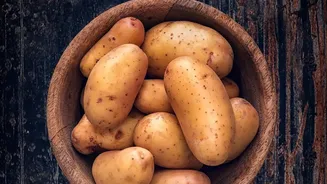
The potato is so deeply integrated into Indian cuisine that it’s hard to imagine our plates without it. Yet, it isn't native to India. Introduced by Portuguese traders in the 17th century, the 'batata' was first cultivated along the western coast. It
was initially viewed as a curiosity, but the British helped popularise its cultivation in the hilly northern regions in the 19th century. From a foreign tuber, the aloo transformed into a pan-Indian essential, embraced for its affordability, versatility, and ability to absorb any flavour. Today, it’s a unifier, appearing in humble home kitchens and lavish feasts alike, a testament to its incredible journey from the Andes to the heart of India.
The Eastern Delight: Aloo Posto
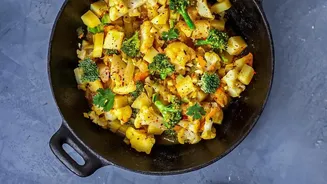
Travel to Bengal, and you'll find the potato in one of its most iconic and comforting forms: Aloo Posto. This classic dish is a masterclass in minimalism, featuring potatoes cooked in a creamy, nutty paste of poppy seeds (posto). The subtle heat of green chillies and the pungent aroma of mustard oil are all it takes to elevate the humble potato into something sublime. Its origins are believed to lie in the British era, when extensive poppy cultivation in Bengal made the seeds abundant. Aloo Posto is more than just a dish; for Bengalis, it's a taste of home, often served with dal and steamed rice for a soul-satisfying meal.
The Mountain Favourite: Pahari Aloo ke Gutke
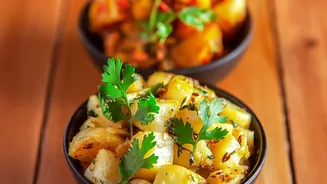
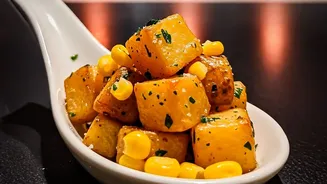
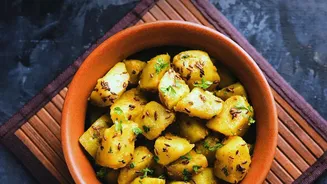
From the plains of Bengal, we head to the hills of Uttarakhand for Aloo ke Gutke. This simple, rustic dish is a staple in Pahari cuisine and a popular street food. It consists of boiled potato cubes stir-fried with a handful of aromatic spices. What makes it unique is the use of mustard oil for pungency and sometimes a local tempering spice called jakhiya, or wild mustard, which gives it a distinct crunch and flavour. Often prepared without onions or tomatoes, the focus is purely on the flavour of the potatoes and dry spices, making it a quick, wholesome, and incredibly flavourful dish that captures the essence of the mountains.
The Western Wonder: Batata Vada
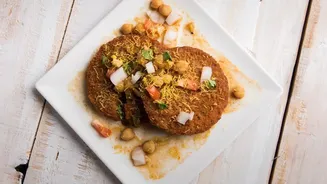
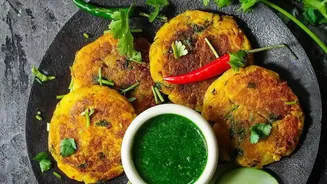
No culinary tour of the potato in India is complete without a stop in Maharashtra for the legendary Batata Vada. This beloved snack is the heart of Mumbai's street food scene. A spicy mashed potato filling—seasoned with ginger, green chillies, and mustard seeds—is shaped into balls, dipped in a gram flour (besan) batter, and deep-fried to golden perfection. While delicious on its own with chutney, its most famous form is the Vada Pav, where the hot fritter is sandwiched in a soft bread roll. It is a symbol of Mumbai's fast-paced, inclusive culture, enjoyed by everyone from business tycoons to students.
The Southern Star: Potato Masala for Dosa
In South India, the potato finds its most famous role as the delicious filling inside a crisp Masala Dosa. This soft, savoury mash is a simple yet flavorful preparation of boiled potatoes sautéed with onions, green chillies, ginger, and curry leaves, often seasoned with mustard seeds and turmeric. The resulting potato bhaji is mildly spiced and slightly mushy, providing the perfect textural contrast to the crunchy dosa. It's a breakfast staple across the south and has gained nationwide adoration, proving that sometimes, the best things in life are simple, comforting, and wrapped in a fermented rice-and-lentil crepe.
The Universal Classic: Dum Aloo
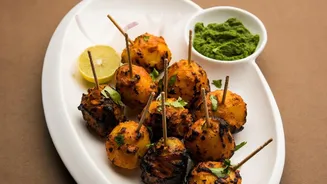
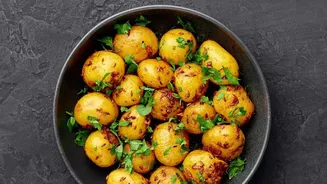
While regional variations abound, Dum Aloo is a dish that has found a home in kitchens across North India and beyond. Traditionally from Kashmir, this dish features baby potatoes that are first fried and then slow-cooked ('dum' style) in a rich, spiced gravy. The Kashmiri version is famously made with a yogurt-based sauce flavoured with fennel and ginger powder, giving it a unique, aromatic profile. Other regional versions across the North use a tomato-onion base. Regardless of the recipe, Dum Aloo showcases the potato’s ability to be the star of a rich, celebratory dish, perfect for pairing with naan or rice.