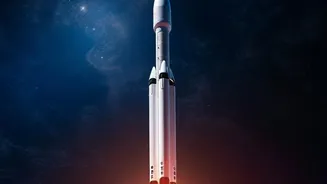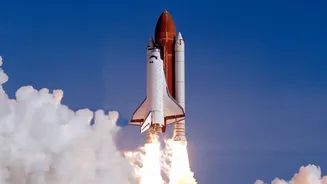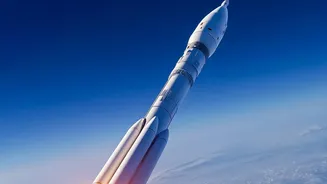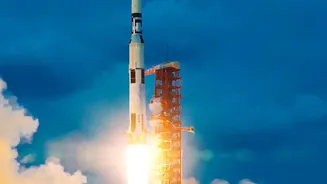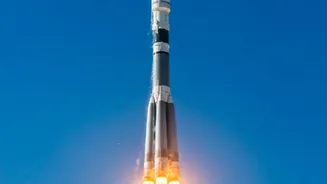

What is the 'Rocket Revolution'?
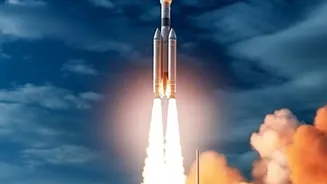
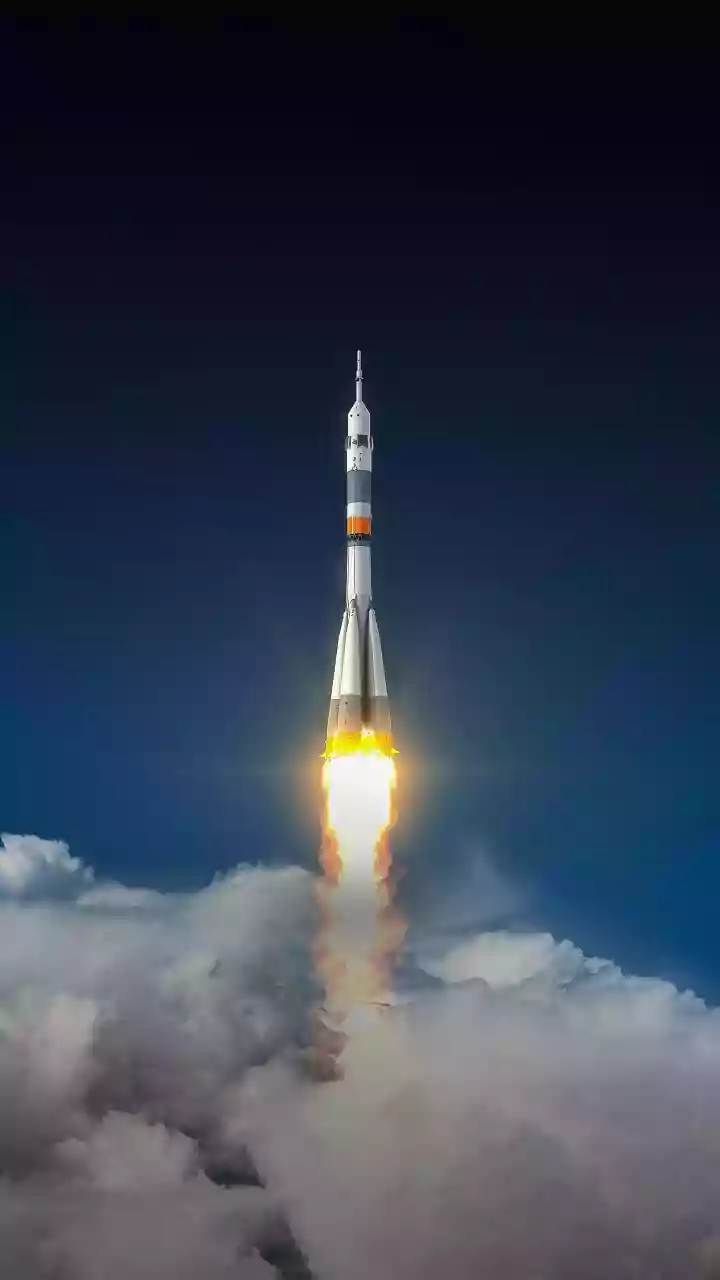
Declared by the United Nations, World Space Week commemorates key moments in space history, like the launch of Sputnik 1. The 2026 theme, 'Rocket Revolution', spotlights the massive shifts in launch technology. For decades, space access was limited to a few
government agencies using expensive, single-use rockets. Today, that model is being transformed by reusable boosters, commercial companies, and new national players, making space more accessible and affordable than ever before. In India, organisations like ISRO and various educational institutions are holding events, lectures, and workshops to engage the public and students, reflecting this global trend.
The Workhorse Engines: Solid and Liquid Propulsion
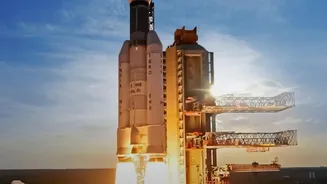
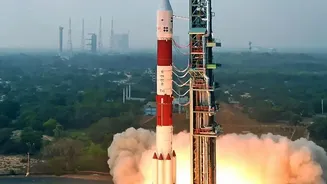
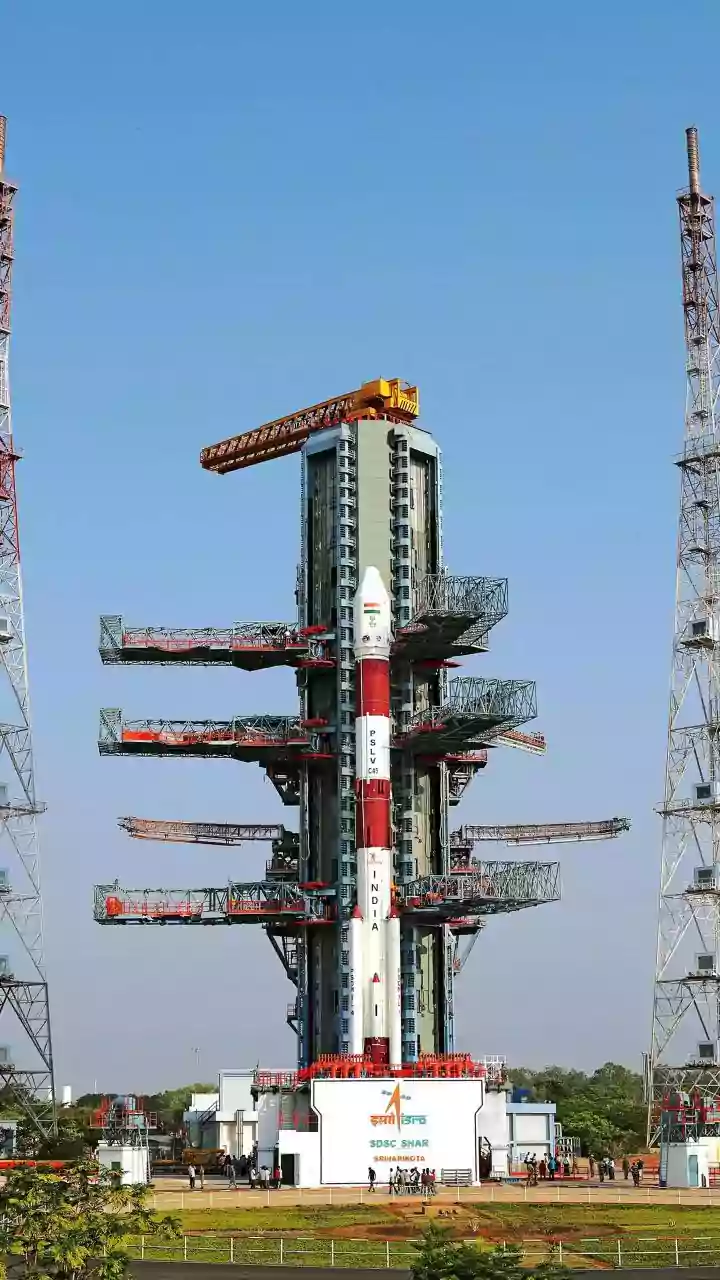
At the heart of any rocket is its propulsion system. The journey for ISRO began with solid propellant rockets, which are stable and relatively simple. Think of them as highly controlled, powerful fireworks. They provide immense thrust needed for liftoff, as seen in the large strap-on boosters of India’s Polar Satellite Launch Vehicle (PSLV) and Geosynchronous Satellite Launch Vehicle (GSLV). The next step up is liquid-propellant engines. These are more complex but offer a significant advantage: they can be controlled, throttled, and even shut down and restarted in space. This control is crucial for precisely placing satellites into orbit. ISRO's Vikas engine is a prime example of a reliable liquid-fuelled engine that has been a cornerstone of the PSLV and GSLV programmes.
The Cryogenic Challenge: Mastering Super-Cool Fuels
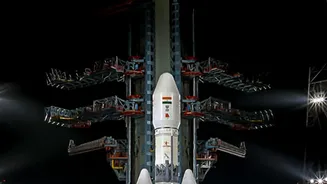
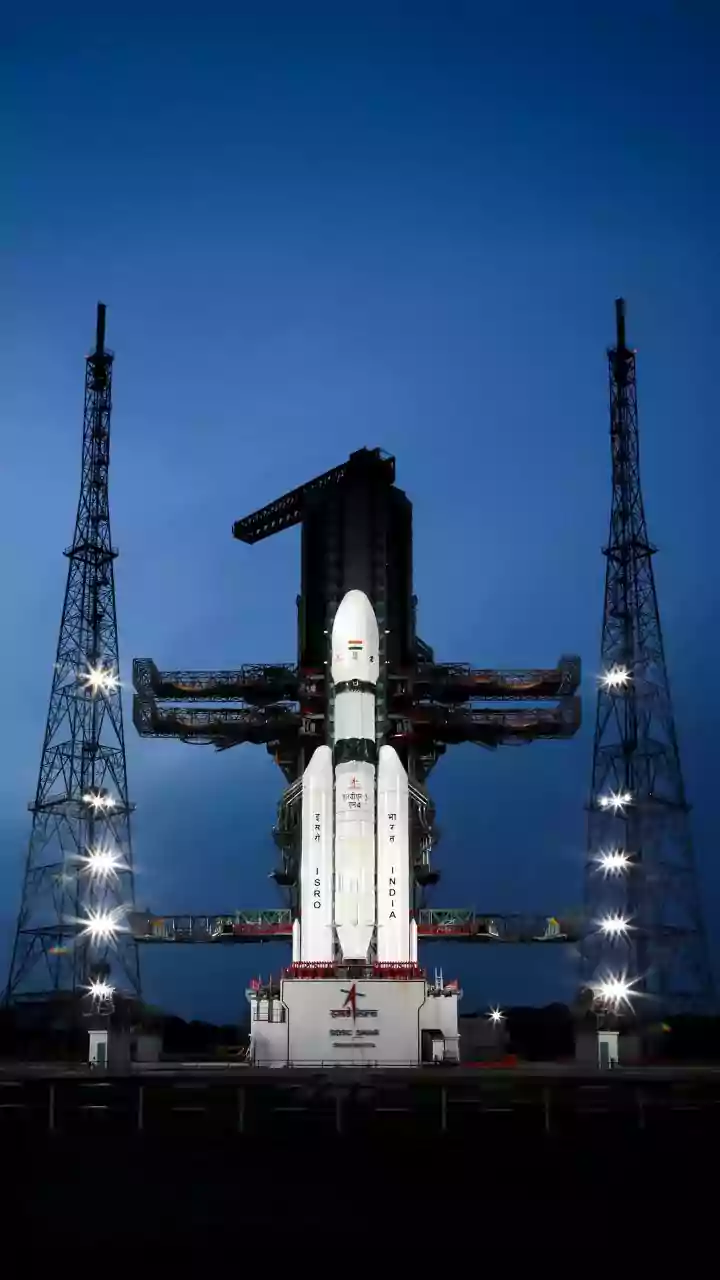
The true game-changer for heavy-lift rockets is the cryogenic engine. This advanced technology uses propellants liquefied and stored at extremely low temperatures, such as liquid hydrogen at -253°C and liquid oxygen at -183°C. The challenge is immense, involving the handling of super-cold substances and running turbopumps at tens of thousands of RPM. However, the payoff is huge: cryogenic engines are far more efficient, providing more thrust for every kilogram of propellant burned. This superior efficiency is what allows rockets like the LVM3 (formerly GSLV MkIII) to launch heavy satellites deep into space and is a critical technology for ambitious missions like Gaganyaan. ISRO's mastery of indigenous cryogenic technology represents a major leap in self-reliance and capability.
The Next Frontier: Semi-Cryogenic and Reusable Rockets
ISRO is not stopping at cryogenic technology. The next major development is the semi-cryogenic engine, which uses liquid oxygen as the oxidiser but pairs it with a refined kerosene-like fuel called 'Isrosene', which is stored at normal temperatures. This combination offers higher thrust than liquid engines and is less complex to handle than fully cryogenic systems. Recent successful tests in 2026 of the SE2000 engine's powerhead at full thrust are paving the way for this engine to power future, even heavier versions of the LVM3 rocket, significantly boosting its payload capacity. This 'Rocket Revolution' also includes developing reusable launch vehicles (RLV), with ISRO having already conducted successful early tests of a winged technology demonstrator. These technologies are crucial for making space access more sustainable and cost-effective.
Powering India’s Dreams: From Gaganyaan to the Moon
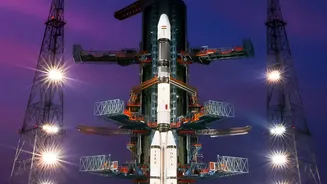
This advanced rocket technology is not just for bragging rights; it's the engine driving India's biggest space ambitions. The human-rated LVM3 rocket, which will carry Indian astronauts into orbit for the Gaganyaan mission, relies on a combination of powerful solid boosters, a liquid core stage, and an indigenous cryogenic upper stage to safely propel the crew module. The success of this mission will make India only the fourth nation with human spaceflight capability. Furthermore, the increased payload capacity enabled by new semi-cryogenic engines will be vital for future lunar missions, interplanetary exploration, and launching larger communication and observation satellites that benefit people on the ground.