



When Is the Absolute Best Time to Go?
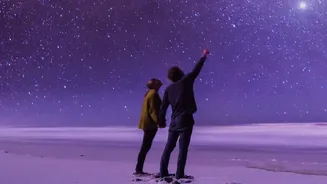
Timing is everything in astronomy. Your first consideration should be the moon. For the darkest skies and best views of faint objects like the Milky Way, you must plan your trip around the new moon phase. A full moon can be so bright that it washes out
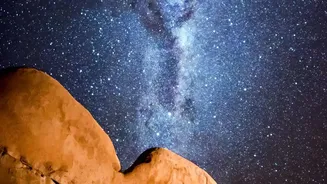
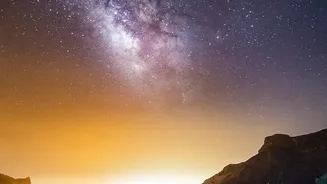
all but the most brilliant stars. Next, consider the season and what you want to see. The bright, dramatic core of the Milky Way is most visible in the Northern Hemisphere from late spring to early autumn, with June and July often offering the best all-night views. In the Southern Hemisphere, the prime season is from May to July. Also research seasonal weather patterns. A trip to a desert in its monsoon season or a mountain during peak snowfall could mean cloudy skies, ruining the very purpose of your visit. October, for example, often provides clear skies and comfortable temperatures in North America.
How Remote is 'Remote'?
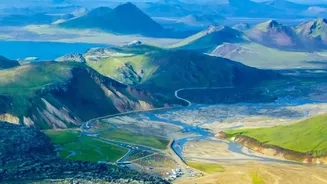
Understand the specifics of your destination's accessibility. A 'remote' location could be a designated Dark Sky Park with paved roads and marked viewing areas, or it could be a truly wild spot requiring a high-clearance 4x4 vehicle and hours of off-road driving. Research the terrain and elevation. Will you be at high altitude, where temperatures can plummet and the air is thinner? Are the roads passable after rain? Knowing the physical demands of getting to your spot is the first step in ensuring a safe journey. Check resources like the DarkSky International's list of certified places, which often have established infrastructure for visitors.
What Facilities (or Lack Thereof) Can I Expect?
Once you're there, what will you find? Don't assume anything. Confirm the availability of critical resources. Is there potable water, or must you bring all you'll need? Are there restrooms, or will you need to follow Leave No Trace principles for wilderness waste? Check for power sources if you need to charge camera batteries or other equipment; many remote sites have none. Cell service is often non-existent, so you can't rely on your phone for navigation or emergencies. Finally, consider accommodation. Are you camping in a designated spot, staying in a nearby lodge, or will you need to be entirely self-sufficient?
Do I Need Permits or Permissions?
Never assume public access. Many prime stargazing locations are within national parks, protected reserves, or on private land, all of which may require permissions. Check in advance if you need to purchase a park entry pass, a backcountry camping permit, or obtain written permission from a landowner. Some popular astronomy sites, like observatories or specific viewing pads, may require advance bookings, especially for ranger-led programs. Trespassing not only carries legal risks but also damages the relationship between astronomers and local communities. A quick call to a park ranger station or land management office can clarify all requirements.
What Gear Do I Need Beyond a Telescope?
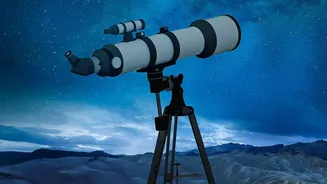
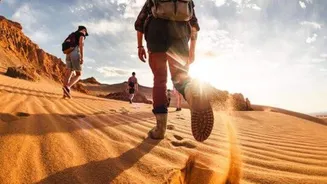
Observing gear is just the start. Your comfort and safety depend on what else you pack. The most critical item is a red-light flashlight or headlamp, which preserves your night vision—and that of others around you. White light from a standard torch or phone screen can ruin dark-adapted eyes for up to 30 minutes. Dress in multiple layers, as even warm deserts get surprisingly cold at night. A hat, gloves, and warm boots are essential, even in summer. Bring a comfortable chair, snacks, and a flask with a hot beverage to stay warm and alert. Binoculars can be a fantastic, portable tool for wide-field views of the sky. A physical star chart or a pre-downloaded offline map on a stargazing app is also vital when you have no signal.
What Are My Safety and Backup Plans?
Hope for clear skies, but plan for the unexpected. Always let someone know your exact location and your expected return time. It's best not to go alone to a truly remote spot; travelling with a friend or group is much safer. Be aware of local wildlife and store food securely. Your backup plan should also account for weather. What will you do if it's cloudy for three straight nights? Have alternate, non-astronomy activities planned, or know the route to a different location. For emergencies in areas without cell coverage, a personal locator beacon or satellite communicator can be a life-saving investment. And always have a well-stocked first-aid kit in your vehicle.