




Two Missions, One Goal
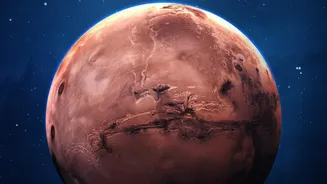
The headline's 2031 target date actually points to two distinct but equally ambitious missions. The most prominent is the joint NASA-European Space Agency (ESA) Mars Sample Return (MSR) campaign, a multi-billion dollar effort to bring back rock and soil
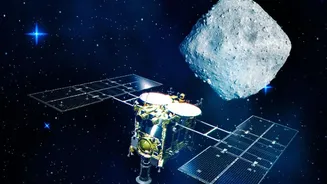
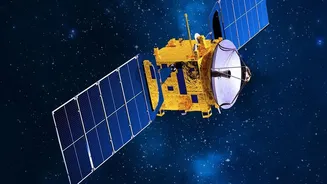
collected by the Perseverance rover. Concurrently, Japan's Martian Moons eXploration (MMX) mission, which launched in October 2026, aims to collect samples from Mars's moon Phobos and return them to Earth in 2031. While MSR is focused on the Martian surface itself, MMX will study the planet's moons to understand their origins—whether they are captured asteroids or remnants of a giant impact on Mars. Both missions represent a monumental leap in planetary science, promising to unlock secrets that remote analysis simply cannot.
The Ultimate Prize: Signs of Ancient Life
For the Mars Sample Return mission, the ultimate scientific prize is profound: to find out if Mars ever hosted life. The Perseverance rover has been drilling and collecting cores from Jezero Crater, an ancient lakebed believed to have been a habitable environment billions of years ago. These carefully selected rock, soil, and atmospheric samples could contain chemical or fossil evidence of past microbial life. Bringing these samples back would allow scientists to analyze them with the full power of Earth-based laboratories, using instruments far too large and complex to send to Mars. This level of detailed study is considered essential to confirm or deny the existence of ancient extraterrestrial life, a discovery that would reshape our understanding of our place in the universe.
A Cosmic Relay Race
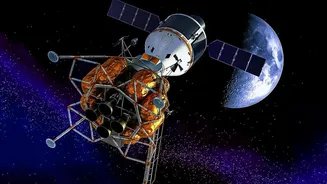
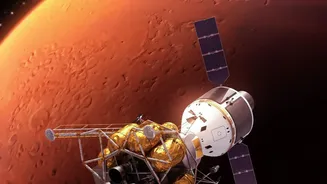
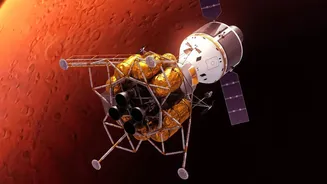
The Mars Sample Return plan is less a single mission and more of a complex, interplanetary relay race. The first leg is already complete, with the Perseverance rover collecting and caching dozens of sample tubes on the Martian surface. The next phase involves launching a Sample Retrieval Lander, which will carry two key components. First, a fetch rover provided by the ESA will retrieve the cached samples. Second, a NASA-built Mars Ascent Vehicle (MAV) will perform the first-ever rocket launch from the surface of another planet, sending the container of samples into orbit around Mars.
The Final Hand-Off in Space
Once the samples are in Mars orbit, the final stage of the relay begins. An ESA-developed Earth Return Orbiter will be waiting to perform an autonomous rendezvous and capture of the basketball-sized sample container. This is an incredibly delicate maneuver, requiring the orbiter to locate, approach, and secure a small object millions of kilometers from home. After capture, the orbiter will seal the samples in a biocontainment system to prevent any potential contamination of Earth and begin its long journey home. If the current timelines hold for this ambitious project, the spacecraft will release a small entry vehicle to deliver the precious cargo to Earth sometime around 2031, concluding a decade-long effort.
Challenges and the Path Forward
The technical complexity of this multi-stage mission is immense, and it faces significant budget and timeline pressures. Each step—from the fetch rover's treasure hunt to the unprecedented launch from Mars and the orbital capture—is a pioneering feat of engineering that must work flawlessly. NASA has been exploring ways to streamline the mission architecture to manage its high costs, emphasizing its commitment to retrieving the samples Perseverance has so carefully collected. While Japan's MMX mission is already en route, the full plan for the Mars Sample Return is still being refined. Regardless of the final approach, the 2030s are set to be a revolutionary decade for planetary science.