







The Soothing Sensation of Peppermint
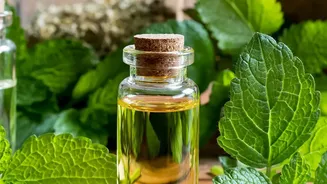
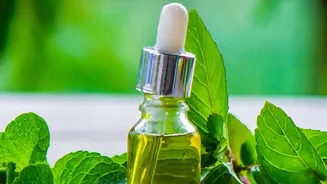
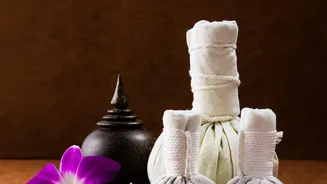
A peppermint compress is typically a cloth soaked in cool water mixed with a few drops of peppermint essential oil. People are often drawn to it as a home remedy for soothing headaches, cooling feverish skin, or easing muscle aches. The appeal is understandable;
the main active component in peppermint oil, menthol, creates a distinct cooling sensation when it touches the skin. This sensation can be temporarily pleasant and distracting from minor discomfort. Limited evidence even suggests that diluted peppermint oil applied to the temples may help with tension headaches. The crisp aroma is also widely associated with freshness and clarity, adding to its psychological appeal as a 'natural' solution.
Sensation vs. Solution
While the cooling feeling is real, it's crucial to understand that it is a superficial effect. The menthol in peppermint oil activates cold-sensitive receptors in your skin, tricking your brain into feeling a chill. This does not, however, lower your core body temperature or address the root cause of a fever. A fever is your body's complex response to fighting an infection, and simply cooling the skin does not resolve the underlying illness. Relying on a compress can provide a false sense of security, masking symptoms that might signal a more serious condition that requires medical intervention. The relief it provides is sensory, not medicinal.
The Hidden Dangers, Especially for Children
Beyond its limited effectiveness, peppermint oil carries significant risks. When applied to the skin, even in diluted forms, it can cause irritation, rashes, and allergic reactions. The danger escalates dramatically for infants and young children. Health authorities strongly advise against using peppermint oil on the face or chest of children under 30 months old. The potent menthol can trigger severe breathing problems, including laryngeal spasms (the closing of the airway) and even respiratory arrest. For this vulnerable group, the risk of a peppermint compress far outweighs any perceived benefit. The potential for serious harm makes it an unsafe choice for managing childhood fevers.
Red Flags: When to See a Doctor Immediately
Knowing when to abandon home remedies and seek professional help is critical. A peppermint compress should never be used as a substitute for medical care when certain symptoms are present. You should see a doctor immediately if a fever is accompanied by any of the following: a temperature of 103°F (39.4°C) or higher in an adult, especially if it lasts more than a couple of days; any fever at all in an infant under three months old; a severe headache or stiff neck; difficulty breathing or chest pain; confusion or extreme irritability; or the appearance of a rash. These can be signs of serious infections that require prompt diagnosis and treatment.
Safer Ways to Find Comfort
If you're looking for comfort during a mild illness, there are safer alternatives. A simple cool compress, using only water, can provide a similar soothing sensation on the forehead or back of the neck without the risks associated with essential oils. Staying hydrated, getting plenty of rest, and using approved over-the-counter fever reducers after consulting a doctor are the standard, evidence-based ways to manage symptoms. For a mild headache, gentle massage or a quiet rest in a dimly lit room can also be effective. The goal is to support the body's healing process safely, without introducing potentially harmful substances.