







Decode the Language of Reviews
The first line of defense against an overrated spot is the review section, but not all reviews are created equal. Be skeptical of extremes. A flood of identical, five-star reviews using overly enthusiastic or generic language like "amazing experience"
or "must-visit place" with no specific details can be a red flag for fake or paid-for feedback. Similarly, an unusually high number of reviews for a small establishment compared to its larger neighbors can be suspicious. Check the reviewer’s profile. A user who has only ever left one glowing review, or dozens of reviews in a very short time, might not be a genuine traveler. Look for repeated phrases across different reviews, as this can indicate a coordinated effort to boost a location's rating.
Find the Truth in Three-Star Reviews
While five-star raves and one-star rants grab attention, the most valuable insights are often found in the middle. Three-star reviews are frequently the most honest, offering a balanced perspective that acknowledges both the good and the bad. These reviewers are often less emotional and more specific, pointing out tangible pros and cons. Someone who writes, "The view was beautiful, but the trail was poorly maintained and the crowds were unbearable after 10 a.m.," gives you far more actionable information than a simple "Loved it!" or "Hated it!" These moderate reviews provide the objective "truth layer," helping you manage your expectations and decide if the trade-offs are worth it for you.
Analyze Photos for What They Don't Show
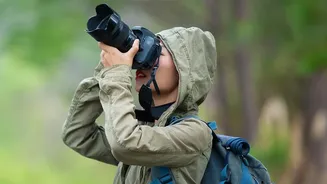
A picture may be worth a thousand words, but travel photos can also be masterfully deceptive. The most common trick is hiding the crowds. Professional photographers and influencers often wake up at dawn to get shots of popular locations devoid of people, or they use tight angles to crop out the throngs of tourists just outside the frame. Look for photos taken by regular tourists during peak hours to get a more realistic sense of the atmosphere. Photographers also use telephoto lenses, which compress the background and foreground, making a sparsely populated area look like a dense crowd. Be wary of photos that only show a single, perfect angle of a landmark. What does the surrounding area look like? Is it next to a noisy highway or a construction site? The carefully curated image might be hiding an unpleasant reality.
Beware the 'Instagram Effect'
Some destinations become famous not for their intrinsic value, but for their photogenic qualities. These are the spots designed for the perfect social media post—a colorful wall, a quirky swing, or a viewpoint that looks incredible from one specific angle. While they can be fun, these places are often crowded with people waiting in line for the same photo, and the experience itself can be shallow. If the majority of images you see of a place look nearly identical, it might be a sign that its appeal is limited to that one photo opportunity. Ask yourself if you would still want to visit if you couldn't take a picture there. If the answer is no, it may be an overrated spot lacking real substance.
Cross-Reference Across Multiple Platforms
Never rely on a single source for your travel planning. A hotel might have pristine photos on its own website, but a travel forum could be filled with recent visitor photos showing a different story. Cross-referencing information is key to getting a complete picture. Use a variety of sources: check TripAdvisor, Google Reviews, travel blogs, and social media platforms like Instagram or TikTok. Search for the location's hashtag or geotag to see unfiltered photos and videos from recent visitors in real-time. Joining travel-focused Facebook groups or Reddit communities can also provide candid advice and recommendations from fellow travelers who have no commercial interest in your visit.