


The Woman Known as 'Turmeric Trinity'
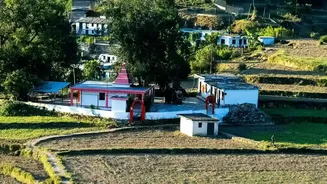
Trinity Saioo, a school teacher from Mulieh village in the West Jaintia Hills, is a name now synonymous with turmeric in India. In 2020, her decades of work empowering local farmers earned her the Padma Shri, the country's fourth-highest civilian honour.
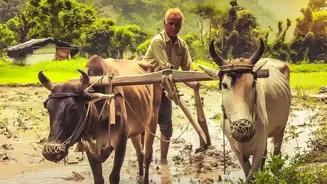
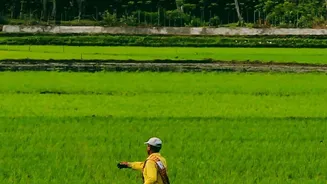
Saioo began farming to support her own family, but her journey soon evolved into a community-wide mission. Realising the immense potential of the local Lakadong turmeric variety, she dedicated herself to helping other farmers, particularly women, shift to its cultivation, leading a grassroots movement that has transformed livelihoods across the region. Today, she leads and mentors over 800 farmers, helping them achieve economic independence through organised, sustainable agriculture.
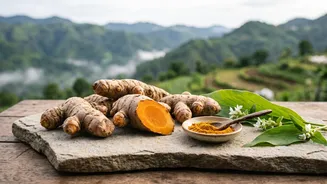
Meghalaya's Golden Spice
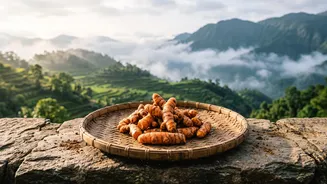
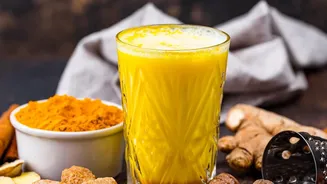
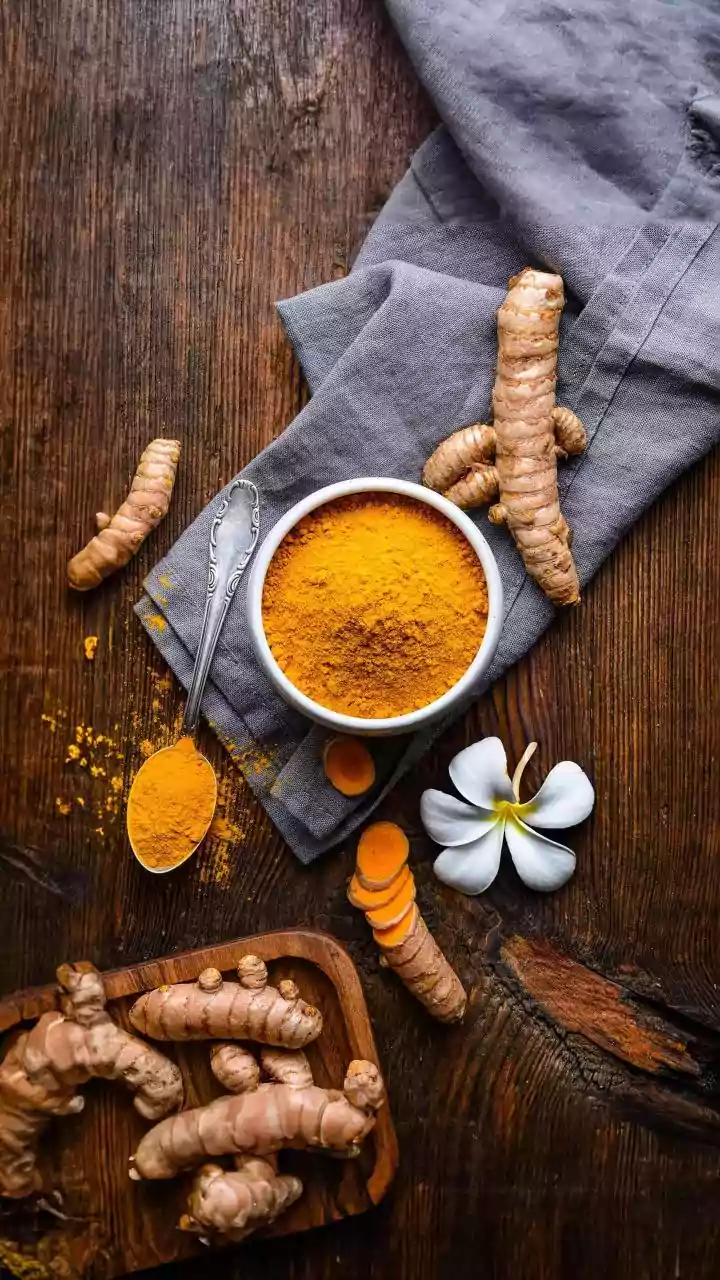
Not all turmeric is created equal. The Lakadong variety, native to the Jaintia Hills, is globally renowned for its exceptionally high curcumin content, which can range from 7% to 12%. This is significantly higher than the 2-3% found in most other turmeric varieties. Curcumin is the active compound that gives turmeric its vibrant colour and is responsible for its powerful anti-inflammatory and antioxidant properties. This high potency makes Lakadong turmeric highly sought after in domestic and international markets for culinary, medicinal, and wellness purposes. Grown in the unique climatic conditions and rich soil of Meghalaya, it is a GI-certified product, representing the heritage and quality of the region.
Navigating the Paperwork Hurdle
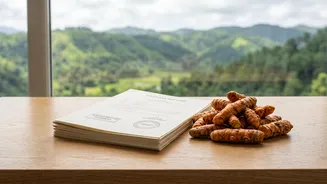
Despite growing a world-class product, farmers in the region faced significant obstacles. A major challenge was the complex official paperwork required to access government schemes and certify their produce as organic. Many farmers, often with limited literacy, struggled to complete the documentation needed to avail subsidies for seeds and equipment or to obtain organic certification, which is crucial for fetching a premium price. Without these certifications, their high-value Lakadong turmeric was often sold at the same low prices as inferior varieties in unregulated local markets. This bureaucratic barrier prevented them from realising the full economic benefit of their hard work and the unique quality of their crop.
A Teacher's Practical Solution
Leveraging her background as a teacher, Trinity Saioo took it upon herself to bridge this gap. She began hand-holding farmers, guiding them through the complex processes. Saioo helped them fill out application forms for subsidies from bodies like the Spices Board and assisted them in gathering the necessary documents for organic certification. She organised farmers into Self-Help Groups (SHGs) and cooperatives, such as the Ieng Skhem Spice Producer Industrial Co-operative Society, creating a formal structure that made it easier to manage documentation and engage with government agencies. By demystifying the paperwork, she empowered illiterate farmers to access resources that were previously out of reach.
The Tangible Impact of Empowerment
The results of Saioo's initiative have been transformative. By helping farmers secure subsidies and certifications, their income has reportedly tripled in many cases. With access to better resources and organised marketing channels through their cooperatives, farmers are no longer at the mercy of unpredictable local market prices. Saioo's work has been pivotal in the success of government initiatives like 'Mission Lakadong', which aims to increase turmeric production in the state. More than just an increase in income, her efforts have instilled a sense of empowerment and business acumen among hundreds of women farmers, who now lead their families towards a more prosperous and sustainable future.