


What is V2V Technology?
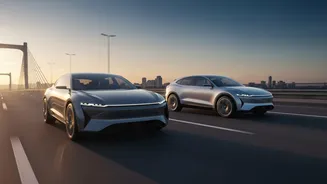
At its core, Vehicle-to-Vehicle (V2V) technology is exactly what it sounds like: cars talking to each other. It's a system that allows vehicles to wirelessly exchange small packets of information in real time, including their speed, position, direction,
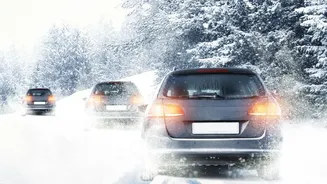
and braking status. Think of it as a constant, high-speed conversation between cars in your immediate vicinity. Unlike cameras or radar systems (known as ADAS), which can only react to what they can physically 'see', V2V communication works beyond the line of sight. This means your car can receive a warning about a vehicle braking hard several cars ahead, even if a large truck is blocking your view.
India's Mandate for Connected Cars
Recognizing its potential to save lives, the Ministry of Road Transport and Highways (MoRTH) has proposed a major regulatory push. A draft notification suggests making V2V communication systems mandatory in all new cars, trucks, buses, and two-wheelers from October 1, 2028. This follows a phased approach, with compliance for voluntarily fitted systems beginning in October 2027. This move is part of a broader vision for an Intelligent Transport System (ITS) in India. Earlier in 2026, the Department of Telecommunications de-licensed a specific radio frequency band (5.9 GHz) for this purpose, removing a key regulatory hurdle and paving the way for automakers to adopt the technology.
The Practical Lesson: Real-Time Hazard Alerts
For all its technical complexity, the most immediate and practical benefit of V2V for the average Indian driver is the ability to receive advance warnings about road hazards. The technology can provide alerts for several critical scenarios common on Indian roads. This includes warnings for sudden braking events deep in a traffic queue, forward collision risks at blind intersections, and notifications about a vehicle travelling the wrong way on a highway. It can also warn of approaching emergency vehicles, allowing drivers to make way sooner. These alerts, delivered seconds before a driver might otherwise notice the danger, can be the difference between a close call and a serious accident.
Beyond V2V: A Glimpse into V2X
V2V is just the first step. It is one component of a much larger ecosystem called Vehicle-to-Everything, or V2X. This technology expands the conversation beyond just cars. V2X includes Vehicle-to-Infrastructure (V2I), where cars communicate with traffic signals and smart highway sensors; Vehicle-to-Pedestrian (V2P), warning drivers of cyclists or people crossing the road; and Vehicle-to-Network (V2N), connecting to a wider cellular network for traffic and route updates. While the government's focus is on mandating V2V first, as it doesn't require massive infrastructure changes, the groundwork is being laid for this more comprehensive connected future.
The Roadblocks Ahead
Despite the clear benefits, the path to fully connected roads is not without challenges. The biggest hurdle is achieving a critical mass of V2V-equipped vehicles. The technology is most effective when many cars on the road have it, but for the first several years, new cars will share the road with millions of older, non-connected ones. Cost is another factor, as mandatory hardware will likely increase vehicle prices. Furthermore, ensuring all systems from different manufacturers can communicate seamlessly (interoperability) and guaranteeing the security of the network against potential cyber threats are crucial issues that need robust solutions.