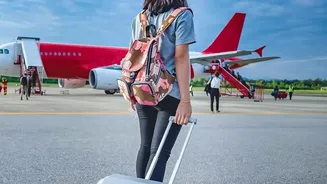








The Great Post-Pandemic Travel Surge
The simplest explanation for the current travel boom is a phenomenon experts call “revenge travel.” After more than two years of lockdowns and restrictions, a massive pent-up demand for exploration was unleashed. Indians, like their global counterparts,
are eager to make up for lost time, reconnect with the world, and create the memories that were put on hold. This isn't just a fleeting trend; it represents a powerful psychological need to break free from a period of prolonged confinement. Data shows that outbound tourism has not only recovered but has surpassed pre-pandemic levels, with record-breaking spending on overseas travel. This collective urge to experience the world again has proven strong enough to override concerns about rising costs.
A Fundamental Shift from Goods to Experiences
Beyond the initial post-pandemic rush, a deeper and more permanent change is taking place in consumer behaviour. Indians, particularly younger generations like millennials and Gen Z, are increasingly prioritising spending on experiences over acquiring physical goods. Reports indicate that spending on travel, hospitality, and recreation is growing at a faster rate than spending on household items. Travel has now become the single largest category for overseas spending under the Reserve Bank of India's Liberalised Remittance Scheme, dethroning previous mainstays like education. This shift suggests that for a growing number of people, the value of a new destination, a unique cultural experience, or a family holiday now outweighs the appeal of a new gadget or luxury item.
Redefining 'Value for Money'
The modern Indian holidaymaker is not ignoring high prices but is instead becoming more strategic. The definition of 'value' is expanding beyond just finding the cheapest ticket. Today’s traveller is often willing to pay a premium for better overall value, which can include direct flights, convenient timings, unique itineraries, or more luxurious and immersive experiences. Instead of cancelling trips due to cost, many are adjusting travel dates, exploring emerging destinations, and planning further in advance to secure better opportunities. This strategic approach demonstrates that while budget is a consideration, it is no longer the sole determining factor; the quality and depth of the travel experience are now paramount.
The Rise of Aspiration and Accessible Credit
Underpinning this trend are two key financial enablers: rising disposable incomes and the normalization of credit for aspirational spending. As the economy grows, more households have the financial means to consider international travel. However, the real game-changer is the growing comfort with using financing options to fund these trips. Taking a personal loan or using an EMI (Equated Monthly Instalment) plan for a vacation is no longer a taboo. In fact, recent surveys show that holidays have become the top reason for taking personal loans, even surpassing home renovations and medical needs. This trend is especially prominent in Tier-2 and Tier-3 cities, signalling that the aspiration to travel is a nationwide phenomenon, made possible by modern financial tools.