

The Lure of the Grey Ghost
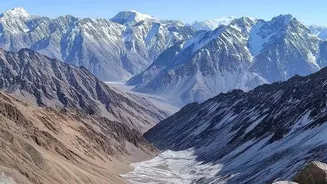
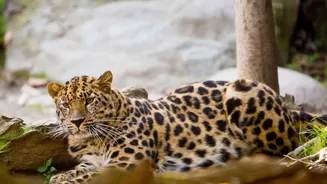
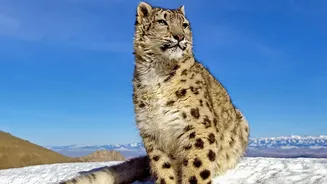
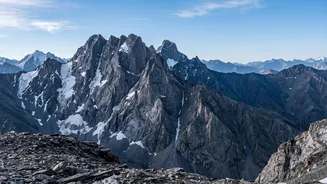
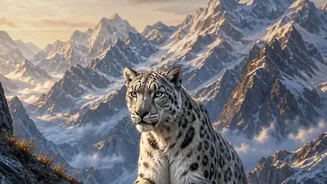
Spotting a snow leopard in its natural habitat is a bucket-list experience for wildlife enthusiasts worldwide. These elusive cats, perfectly camouflaged against the rocky, snow-dusted slopes of the Himalayas, represent the untamed spirit of one of the world's
most formidable environments. In recent years, Ladakh has emerged as the premier destination for this pursuit, boasting one of the highest densities of snow leopards globally. Expeditions, typically running in the harsh winter months from January to March when the animals descend to lower altitudes, promise a challenging yet rewarding journey. However, as the popularity of these safaris grows, so does the pressure on the fragile ecosystem and the magnificent creatures that call it home.
A Kingdom Under Pressure
Ladakh's high-altitude desert is a delicate and unforgiving environment. The survival of species like the snow leopard, ibex, and blue sheep depends on a fine balance that is easily disrupted. Unregulated tourism poses a significant threat. Incidents of tourists driving off designated roads to chase wildlife, causing stress to animals and irreversible damage to the landscape, have become a serious concern. The noise from vehicles and large groups can alter the hunting behaviour of snow leopards, making it harder for them to find food. Every footstep, every wrapper left behind, and every loud conversation has an impact that reverberates through this quiet kingdom. The animal you came to see may be pushed away by the very act of your search.
Conservation is a Community Effort
For decades, the relationship between local communities and snow leopards was fraught with conflict. The cats often preyed on livestock, the primary source of income for many families, leading to retaliatory killings. The rise of ecotourism has begun to change this narrative. Initiatives like the Himalayan Homestay Program, pioneered by organisations like the Snow Leopard Conservancy India Trust, have provided villagers with an alternative source of income directly linked to the survival of the snow leopard. When a live snow leopard becomes more valuable than a dead one, the entire community becomes its guardian. Choosing to stay in a local homestay or hiring a guide from the village ensures that your visit directly supports the people who share their land with these predators and are at the forefront of conservation efforts.
The Golden Rules of a Ghost Sighting
Being a responsible visitor isn't just a suggestion; it is essential for the future of snow leopard tourism. The local administration and conservation bodies have laid out clear guidelines. The foremost rule is to always maintain a respectful distance. Never ask your guide to drive closer or off the designated track. Loud noises are a strict no-go, and the use of camera flashes is prohibited as it can startle and distress the animals. Wear clothes in muted, natural colours like khaki or olive green to blend in with the surroundings. Perhaps most importantly, leave no trace. Carry all your rubbish back with you, as litter can be harmful to wildlife. Choosing a government-approved or certified responsible tour operator ensures you are part of a system designed to protect, not exploit.