

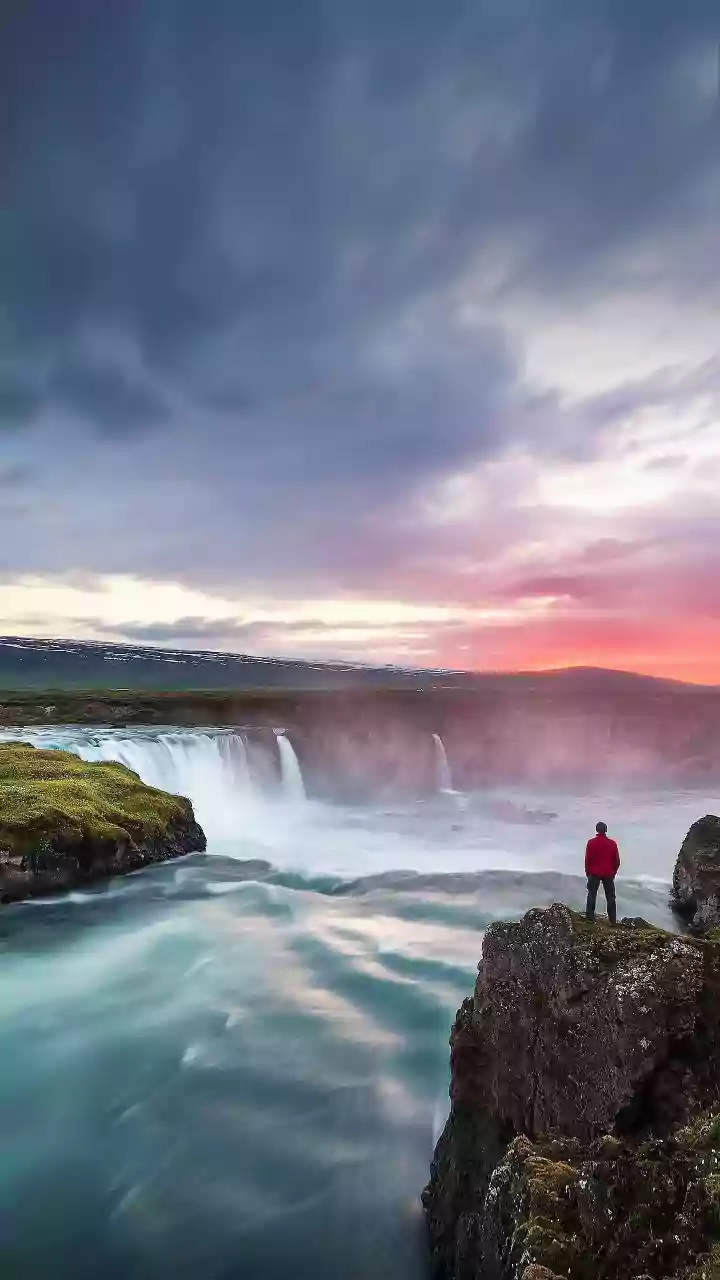
A Waterfall Like No Other
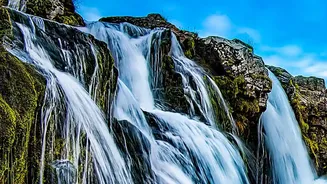
Hraunfossar, which translates to 'Lava Falls', is not a single, powerful cascade. Instead, it is a mesmerising series of countless small streams and rivulets that emerge from the edge of a vast, dark lava field over a stretch of about 900 metres. The
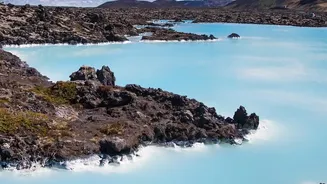
water, a brilliant turquoise, seems to appear from nowhere, trickling delicately over the volcanic rock and into the Hvítá River below. This creates a lace-like effect that is more serene and ethereal than dramatic. Unlike the raw power of famous Icelandic falls like Gullfoss or Skógafoss, Hraunfossar’s beauty lies in its quiet, widespread elegance, offering a completely different kind of natural spectacle.
The Science Behind the Scenery
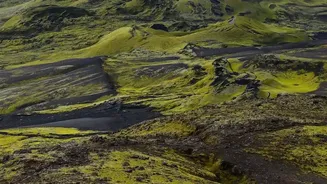
The secret to Hraunfossar's unique appearance lies underground. The water originates from the nearby Langjökull glacier, the second-largest in Iceland. This glacial meltwater travels for miles, filtering through the porous, ancient Hallmundarhraun lava field. This lava field was formed by a volcanic eruption around the year 930 AD. Instead of flowing over the land as a river, the water flows through the subterranean channels within the lava. Hraunfossar is the point where this hidden groundwater finally re-emerges, seeping out from ledges of less porous rock directly into the river. This geological process is what gives the falls their famous 'weeping' or 'bleeding' appearance from the face of the lava cliff.
The Journey and Access
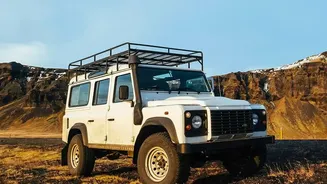
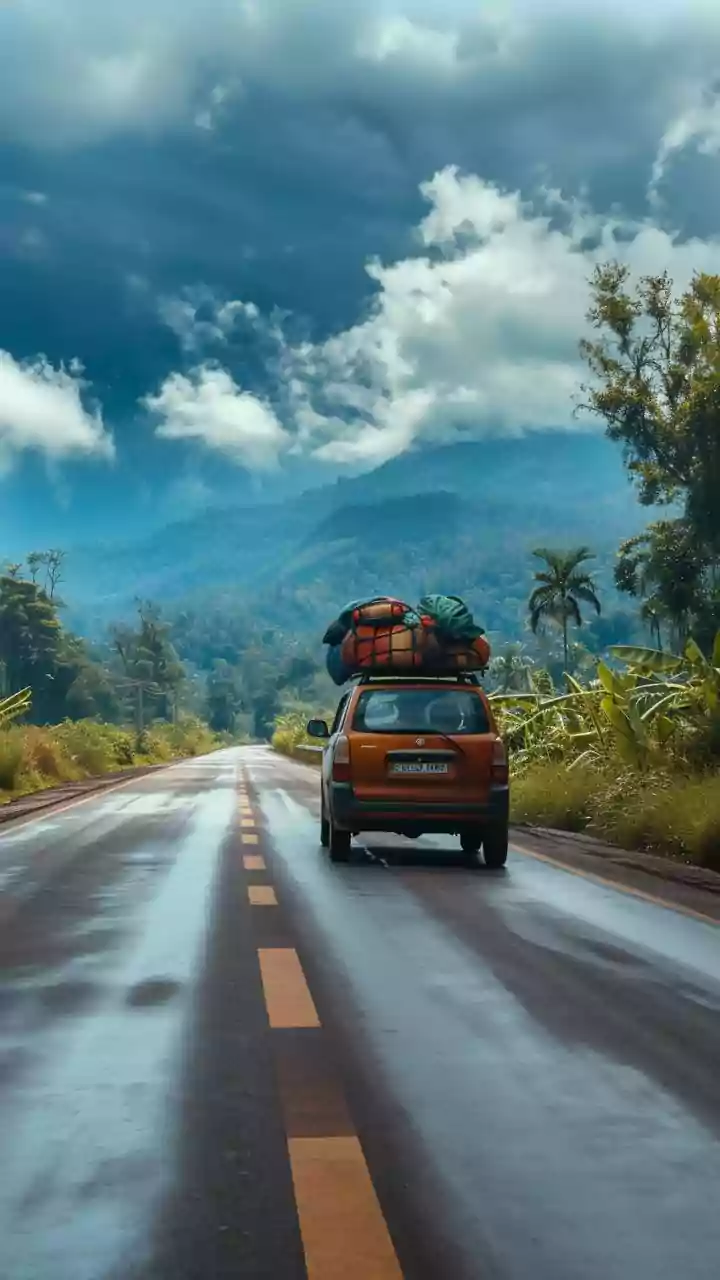
Despite the headline's suggestion of 'remote road access', reaching Hraunfossar is surprisingly straightforward. Located in West Iceland’s Borgarfjörður district, it's about a 90-minute to two-hour drive from Reykjavík on well-maintained, paved roads. The drive itself is part of the charm, taking you away from the main Ring Road and into a landscape of farmland and volcanic fields. A standard car is perfectly suitable for the journey in summer, though a 4x4 is recommended for winter conditions. Upon arrival, a car park, café, and well-maintained viewing platforms make the site highly accessible for visitors of all fitness levels, requiring only a short stroll rather than a strenuous hike.
A Tale of Two Waterfalls
A visit to Hraunfossar is a two-for-one experience. Just a short walk upstream, you'll find Barnafoss, or the 'Children's Falls'. If Hraunfossar is gentle and serene, Barnafoss is its dramatic opposite. Here, the powerful Hvítá River is forced through a narrow, rocky gorge, creating a churning, turbulent rapid. The name comes from a dark local legend about two children who fell to their deaths from a natural stone arch that once spanned the falls. Their grieving mother is said to have had the bridge destroyed to prevent another tragedy. The contrast between the two waterfalls, one peaceful and wide, the other forceful and contained, makes for a powerful and memorable visit.
Planning Your Visit to West Iceland
Hraunfossar is a highlight of the 'Silver Circle', a scenic touring route in West Iceland. The area is rich with other attractions worth exploring. Nearby you'll find Deildartunguhver, Europe’s most powerful hot spring, and the historic site of Reykholt, once home to the famed saga writer Snorri Sturluson. For the more adventurous, you can explore the inside of the lava field at the Víðgelmir lava cave or join a tour to the Langjökull glacier itself. The falls are stunning year-round, from the lush greens of summer and fiery colours of autumn to the icy, Narnia-like wonderland of winter. A visit typically takes about an hour to 90 minutes to fully appreciate both Hraunfossar and Barnafoss.