




Beyond the Saree: A World of New Silhouettes
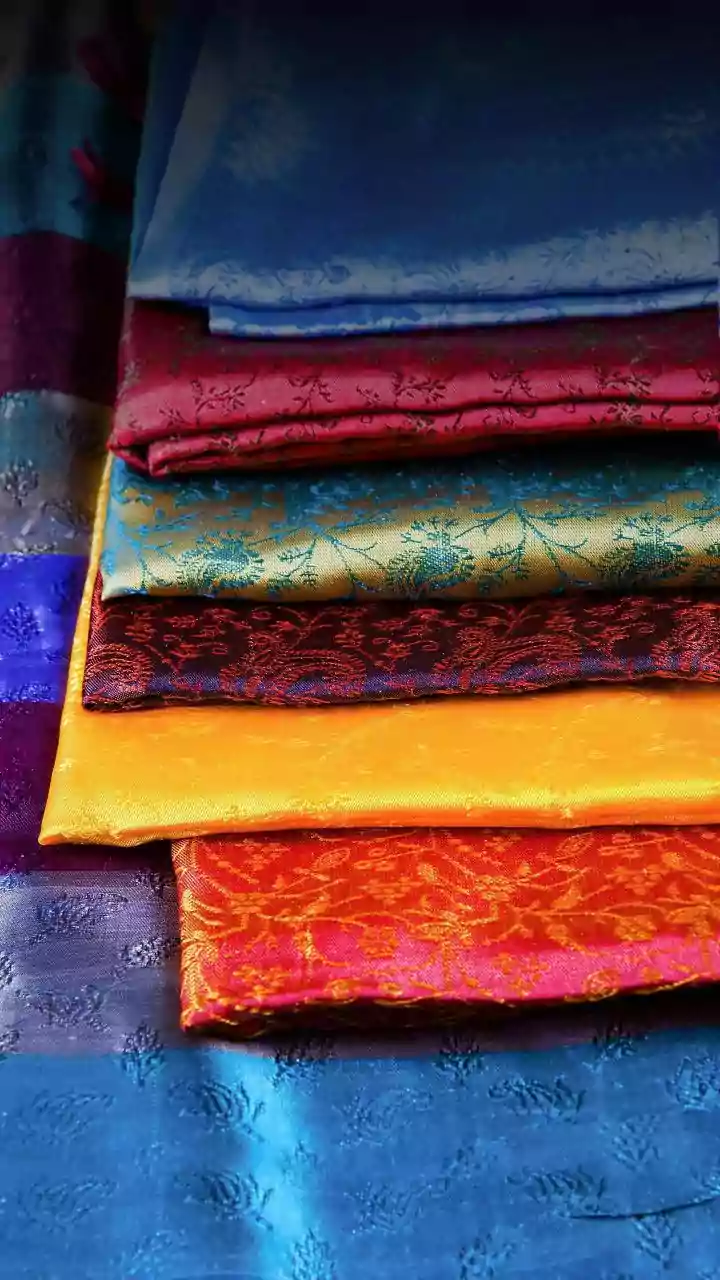
For generations, the word 'handloom' primarily brought to mind the classic saree. But today, that perception is rapidly changing. Designers and contemporary brands are reimagining India's rich textile traditions, moving them beyond drapes and into a world
of modern silhouettes. We are now seeing sharp, structured blazers in Ikat, breezy midi dresses in Jamdani, and chic co-ord sets in Chanderi. This shift is significant; it detaches the craft from a single garment type and integrates it into forms that resonate with a contemporary lifestyle. Think handloom trousers paired with a crisp shirt for the office, a woven jacket thrown over a simple top for a casual meet-up, or even handwoven fabrics being used for shoes and bags. This evolution proves that the fabric itself—breathable, unique, and full of character—is the star.
The Designer Effect: Blending Craft with Modern Cuts
This handloom renaissance is being championed by a host of Indian designers who are passionate about preserving heritage crafts. Labels like Raw Mango, Anavila, and 11.11/eleven eleven have been instrumental in this shift, demonstrating that handwoven textiles can be both luxurious and effortlessly modern. Their approach is not to treat handloom as a museum piece, but as a living, breathing material perfectly suited for today's wardrobe. They are collaborating directly with weaving communities, experimenting with lighter weaves, contemporary colour palettes, and minimalist designs that appeal to a younger, global audience. By creating everything from tailored separates to fluid dresses, these designers are proving that handloom is not just about nostalgia; it’s about a forward-thinking fashion that values story and substance.
A Conscious Choice: Why We're Reaching for Handloom
The growing popularity of handloom is also tied to a larger shift in consumer mindset. In an age of fast fashion, there is a rising desire for clothing that is sustainable, ethical, and meaningful. Handloom checks all these boxes. The production process has a lower carbon footprint compared to power looms, often uses natural fibres and dyes, and directly supports the livelihoods of artisan communities across the country. For many, choosing a handloom garment is a conscious decision to invest in quality craftsmanship and preserve a cultural legacy. The fabric's inherent qualities, such as its breathability and comfort, make it particularly suitable for the Indian climate, providing a practical advantage over synthetic materials for long workdays or warm weekends.
How to Style It Now: Making Handloom Work for You
Incorporating handloom into your daily wardrobe is easier than you might think. The key is to balance traditional pieces with modern basics. For a polished office look, pair a handloom kurta with tailored trousers or wear a handwoven cotton saree with a structured blouse and minimal jewellery. On weekends, a simple handloom shirt can be treated like any other casual shirt and worn with jeans or chinos. An Ikat jacket can instantly elevate a basic t-shirt and pants combination. The trick is to let one handloom piece be the focus of the outfit. Swap out heavy traditional accessories for simple, modern alternatives like loafers or sneakers and a structured bag to keep the look feeling current and effortless.