




The Difference Between Flavour and Boredom
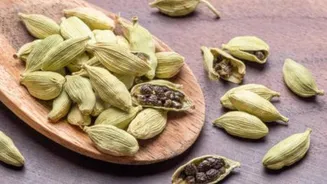
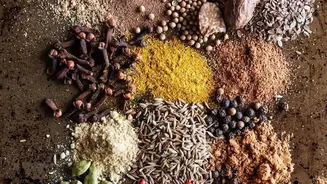
Spices and condiments are the tools that add personality and depth to your cooking. While both enhance food, they function differently. Spices are typically dried parts of plants—like seeds (cumin), bark (cinnamon), or roots (ginger)—that are added during
the cooking process to build layers of aroma and flavour. Condiments, on the other hand, are prepared sauces or pastes like mustard, soy sauce, or ketchup, often added at the end of cooking or at the table to provide an instant hit of saltiness, acidity, or sweetness. Understanding this distinction is the first step toward using them effectively. Spices create the foundational character of a dish, while condiments provide the finishing touch that makes it pop.
Transforming Grains and Legumes
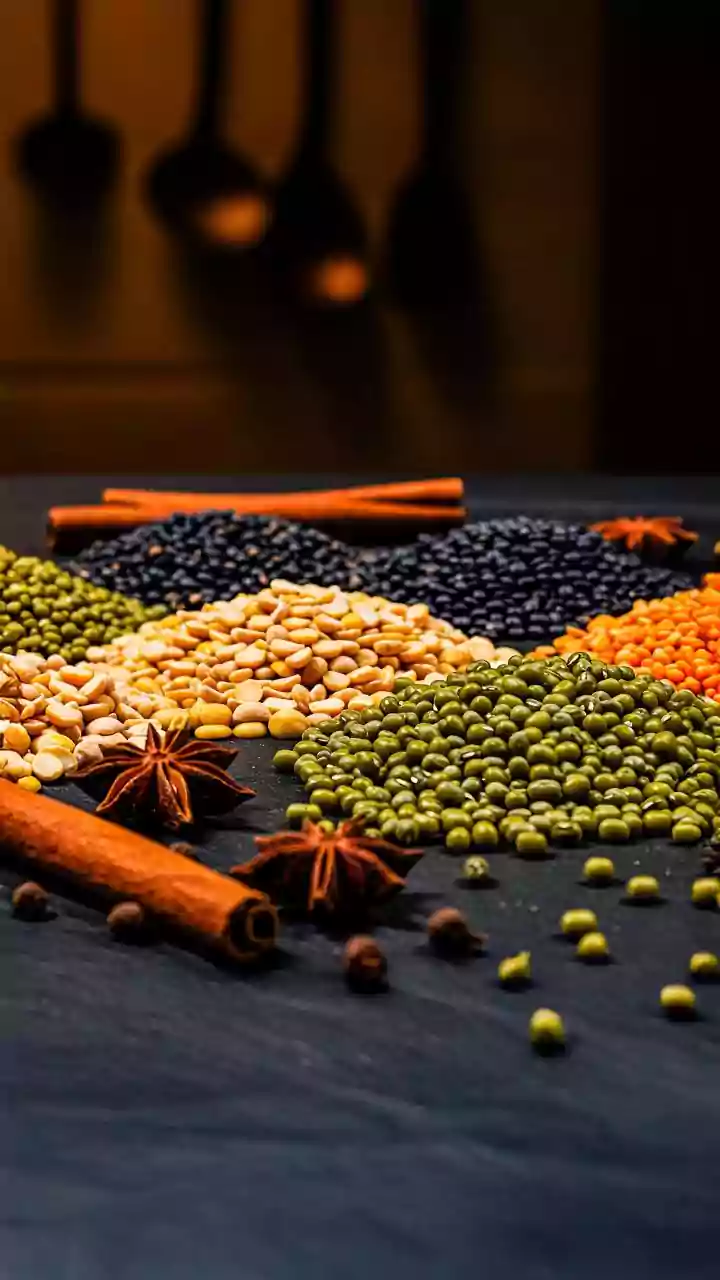
Pantry staples like rice, beans, and lentils are blank canvases. A simple pot of rice can travel the globe with the right additions. For a Middle Eastern feel, add cumin and turmeric. For a more Mediterranean vibe, a bay leaf and some black pepper will do the trick. Lentils and beans are equally versatile. A basic pot of chickpeas can become the base for a curry with the addition of a spice blend like garam masala, or it can take on a smoky, Spanish flavour with paprika, cumin, and a touch of chili. Cumin and coriander are a classic pair for a reason; cumin provides an earthy base while coriander adds a bright, citrusy top note, working perfectly with most legumes.
Elevating Everyday Vegetables
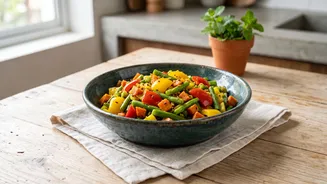
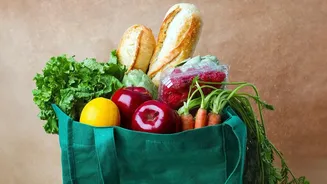
Canned tomatoes and frozen vegetables don't have to be bland. A simple can of crushed tomatoes is the foundation for countless sauces. By adding classic Italian herbs like oregano, basil, and thyme, you create a rich pasta sauce. Swap those for cumin, oregano, and chili powder, and you have a base for Mexican dishes. The same logic applies to vegetables. Roasted carrots are pleasant on their own, but adding cumin, thyme, and a hint of nutmeg brings out their sweetness and adds complexity. Even something as simple as leafy greens can be transformed with a bit of garlic powder and a sprinkle of red pepper flakes for heat.
The Finishing Power of Condiments
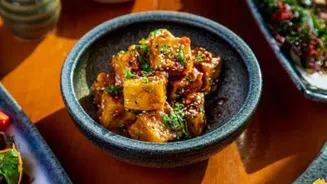
Where spices build flavour during cooking, condiments deliver an immediate impact. A dish that tastes flat might just need a splash of acidity or a touch of umami. A squeeze of lemon or a dash of vinegar can brighten up everything from roasted vegetables to heavy stews. Soy sauce adds savoury depth (umami) to stir-fries and marinades, while a spoonful of mustard can cut through the richness of a meaty dish. Hot sauces provide not just heat but often a vinegary tang that can balance a meal. Don't underestimate the power of these ready-to-use flavour boosters; they are the fastest way to adjust and perfect a dish just before serving.
Building Your Flavour Toolkit
You don't need a hundred jars to make a difference. A small collection of versatile spices can cover a wide range of cuisines. Start with basics like cumin, paprika (especially smoked), garlic powder, oregano, and cinnamon. From there, you can create simple blends. An “everyday” blend of smoked paprika, oregano, garlic powder, salt, and pepper works on almost any protein or vegetable. For Italian dishes, combine oregano, basil, and garlic powder. As you get more comfortable, you can buy whole spices like cumin seeds and peppercorns and grind them yourself for a more potent flavour. The key is to buy small amounts of what you'll use, store them in a cool, dark place away from the stove, and remember that if a spice no longer has a strong aroma, it won't add much flavour.