







The Nutrient vs. Energy Equation
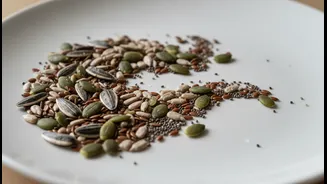
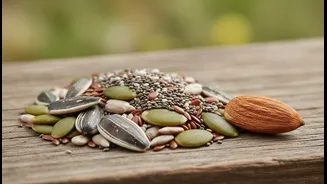
Understanding the difference between 'nutrient-dense' and 'energy-dense' is key to incorporating seeds into your diet effectively. Nutrient-dense foods provide a high level of vitamins, minerals, and healthy compounds relative to their calorie count.
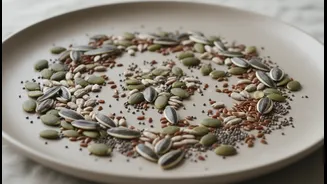
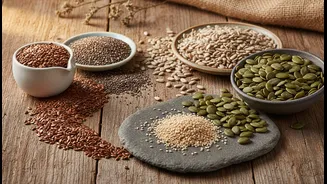
Energy-dense foods, on the other hand, pack a lot of calories into a small serving, primarily from fats and carbohydrates. Seeds sit at the intersection of both. They are loaded with healthy unsaturated fats, protein, fibre, and essential minerals like magnesium and zinc. However, because fats are a concentrated source of energy, a small handful of seeds can contribute significantly to your daily calorie intake.
Chia Seeds: The Fibre Powerhouse
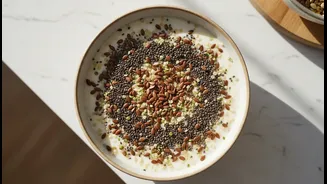
Chia seeds are famous for their high fibre and omega-3 fatty acid content. Just two tablespoons contain about 10 grams of fibre, which helps you feel full and supports digestive health. However, that same serving also contains calories. While they are incredibly beneficial, moderation is crucial. Health experts generally recommend a daily intake of one to two tablespoons (about 15 to 30 grams). This amount provides the nutritional benefits without overloading your system with fibre or calories. You can soak them to create a pudding, blend them into smoothies, or sprinkle them on yoghurt.
Flax Seeds: A Heart-Healthy Choice
Flax seeds are a fantastic source of alpha-linolenic acid (ALA), a type of omega-3 fatty acid that is good for heart health, and lignans, which have antioxidant properties. To get the most benefit, it's best to consume them ground, as your body can't break down the whole seeds to access the healthy oils. A healthy daily amount is around one to two tablespoons of ground flaxseed. One tablespoon of ground flaxseed has about 37 calories, along with 2 grams of fibre and healthy fats. Try mixing them into oatmeal, baked goods, or even sauces to boost your nutrient intake without noticing a major change in texture.
Pumpkin Seeds: The Mineral Giants
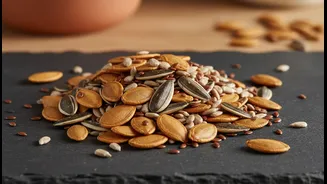
Also known as pepitas, pumpkin seeds are a treasure trove of minerals like magnesium, zinc, and iron. Magnesium is vital for everything from energy production to muscle function, while zinc supports a healthy immune system. These benefits come in a calorie-dense package; a one-ounce serving (about a quarter cup) contains around 130-160 calories. A sensible portion is about one to two tablespoons, which keeps the calorie count in check while still delivering valuable nutrients. They make a great crunchy topping for salads or soups.
Sunflower Seeds: Vitamin E Stars
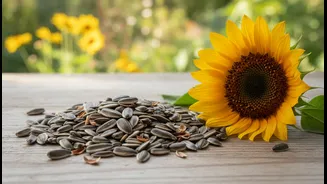
Sunflower seeds are one of the best whole-food sources of Vitamin E, a powerful antioxidant that protects cells from damage. A one-ounce serving can provide a significant portion of your daily vitamin E needs. That serving also contains around 6 grams of protein and healthy fats. As with other seeds, portion size is important due to their high calorie and fat content. A serving of one to two tablespoons per day is a good guideline to reap the benefits without overdoing it. Opt for unsalted versions to avoid excess sodium intake.
Sesame Seeds: Tiny but Mighty
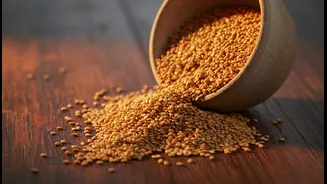
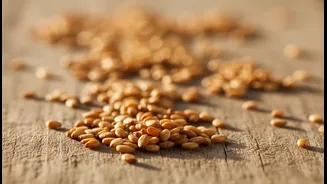
Don't underestimate the tiny sesame seed. They are an excellent source of minerals like copper, manganese, and calcium. They are also rich in protein and healthy fats, making them energy-dense. The lignans in sesame seeds have been studied for their antioxidant and anti-inflammatory properties. A two-tablespoon serving contains over 100 calories. These seeds are the key ingredient in tahini, a paste commonly used in hummus. You can also sprinkle them over stir-fries or salads for added crunch and flavour.