






A World Built on Sound
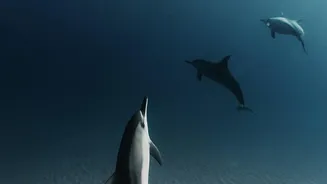
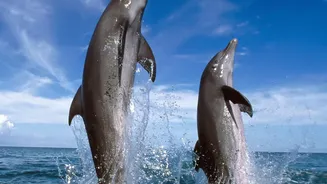
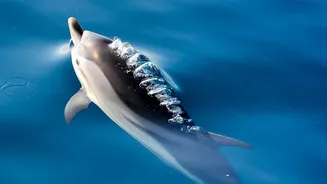
For dolphins, sound is everything. The nearly-blind Ganges River Dolphin, India's National Aquatic Animal, navigates the murky river waters using echolocation—a series of clicks that create a sonic map of its surroundings. It's how they find food, communicate,
and avoid obstacles. Similarly, marine species like the Irrawaddy dolphins in Chilika Lake and the humpback dolphins off Goa's coast live in an acoustic world. Their clicks, whistles, and calls are vital for every aspect of their survival, from cooperative hunting to caring for their young. This fundamental reliance on sound makes them uniquely vulnerable to a growing, invisible threat: noise pollution.
The Problem with Popularity
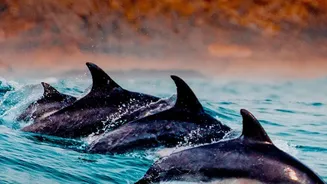
The popularity of dolphin-watching has led to a boom in tourism, but often in an unregulated way. Dozens, sometimes hundreds, of motorised boats converge on dolphin hotspots. The constant, high-frequency noise from propellers and engines directly interferes with the dolphins' ability to hear. Studies show that this underwater cacophony masks their communication, disrupts foraging, and induces high levels of stress. In the Ganga, when vessel traffic gets too high, dolphins may even stop vocalising altogether, essentially shutting down in a world that has become too loud to navigate. This can lead to exhaustion, disorientation, and even direct injury from boat propellers as the panicked animals try to escape the noise.
Balancing Livelihoods and Conservation
It's crucial to recognise that dolphin tourism is a vital source of income for many local communities. For thousands of families, from boat operators in Goa to fishers in Chilika, the industry provides an essential livelihood. The goal, therefore, isn't to stop tourism, but to transform it into a sustainable practice. An unregulated, high-impact approach threatens the very animals the industry is built upon. Unhappy tourists who have poor, disruptive encounters with stressed animals are also less likely to return, making sustainability an economic issue as much as an ecological one. The long-term health of the dolphin populations and the tourism economy are inextricably linked.
A Quieter, More Responsible Path
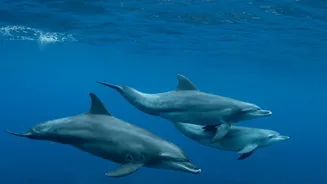
Fortunately, a better way is possible. The principles of low-noise, responsible tourism are straightforward and effective. Guidelines recommend that boats maintain a safe distance—at least 50 metres—and never chase or encircle the animals. Operators should cut their engines when near a pod and let the dolphins choose to approach. Limiting the number of boats around a group of dolphins at any one time is also critical. India has several conservation initiatives, such as Project Dolphin, aimed at protecting these aquatic mammals, and recent efforts have focused on community involvement and scientific monitoring. This includes training boat operators on sustainable practices and educating tourists about the importance of choosing responsible guides. These steps not only reduce stress on the animals but often lead to more rewarding and natural encounters for visitors.