




Build a Better Base
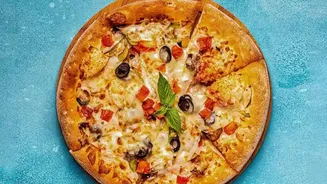
The foundation of any great pizza is its crust, and it’s also your first opportunity to pack in more protein. Traditional flour-based doughs offer minimal protein, but with a few clever swaps, you can create a base that’s both sturdy and nutritious. One
of the most popular methods involves using Greek yogurt. A simple dough made from self-rising flour and plain Greek yogurt creates a chewy, tender crust that requires no yeast or rise time. For the best texture, opt for full-fat or 2% Greek yogurt, as non-fat versions can make the dough sticky. Another increasingly popular option is blending cottage cheese into the dough, which adds significant protein and moisture. For those who prefer a more traditional yeast-risen dough, consider substituting a portion of the all-purpose flour with alternatives like whole wheat flour, chickpea flour, or even unflavored pea protein powder to boost both protein and fibre.
Supercharge Your Sauce
While tomato sauce is a classic, it doesn't offer much in the way of protein. However, your sauce layer provides a sneaky opportunity to add a creamy, protein-packed element. An easy and effective hack is to blend cottage cheese with your favorite jarred or homemade pizza sauce. A simple 1:1 ratio of cottage cheese to tomato sauce, blended until smooth, creates a creamy, rosé-style sauce that doubles the protein content. If you're not a fan of cottage cheese, blending in white beans like cannellini can also increase protein and fibre without noticeably altering the taste. For a white pizza, you can use blended cottage cheese or Greek yogurt seasoned with garlic and herbs as a direct replacement for a traditional ricotta base, giving you a tangy and protein-rich foundation for your toppings.
Top It Off With Protein
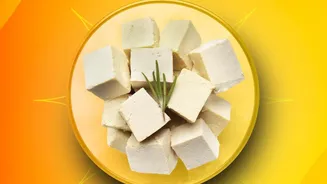
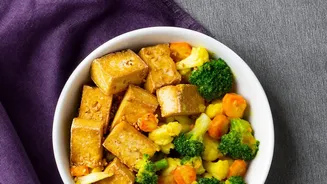
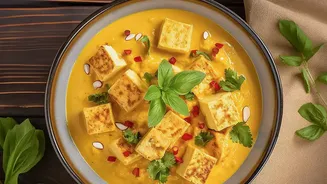
Toppings are the most obvious way to increase the protein content of your pizza, but you can be strategic here as well. Instead of reaching for high-fat processed meats, consider lean protein sources. Grilled chicken breast, turkey sausage, shrimp, and lean ground beef are all excellent choices that add substantial protein. For plant-based power, think beyond just vegetables. Tofu, tempeh, and chickpeas can be seasoned and roasted before being added to your pizza for a satisfying texture and protein boost. Even eggs can make a great topping; try cracking one in the center of your pizza before baking for a delicious, runny yolk finish.
Choose Your Cheese Wisely
Cheese is a key source of protein on any pizza, but some types offer more than others. While part-skim mozzarella is a solid choice for its classic meltiness and good protein content, you can enhance the profile further. Parmesan cheese, though used more sparingly, has one of the highest protein contents of all cheeses. Distributing dollops of ricotta or cottage cheese across the top of your pizza before baking adds pockets of creamy texture and another layer of protein. For a dairy-free option with a cheesy, umami flavour, nutritional yeast is a fantastic alternative. You can sprinkle it on top before or after baking to add a surprising amount of protein and B vitamins.