




The Smart Case for Reusing Roasting Salt
In a world where we're all trying to be more mindful of waste, throwing out a large amount of coarse or kosher salt after a single use can feel incredibly wasteful. And it is. Salt itself is a mineral that doesn't spoil or expire. When used as a roasting
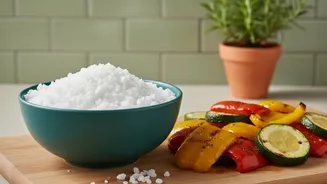
bed, the salt insulates the food, regulates temperature, and helps to draw out moisture from the skin, resulting in a crispier finish while keeping the inside tender. Since the salt's primary structure isn't altered by the heat of a home oven, salvaging it for another roast is both economical and sustainable. However, this thrifty kitchen habit comes with important safety and quality considerations. Reusing salt is a great practice, but only if it's done correctly to avoid contaminating your next meal.
Safety First: The Critical Cool-Down Period
Patience is paramount when handling salt that has just come out of a hot oven. Salt can reach extremely high temperatures during cooking, and it retains that heat for a surprisingly long time. Attempting to handle or store hot salt poses a significant burn risk. Beyond personal safety, there's a practical reason to let it cool completely. Pouring hot salt into a storage container can have disastrous results. A glass jar could shatter from thermal shock, while a plastic container could melt, leaching chemicals into your salt and ruining it completely. The best practice is to leave the salt in the roasting pan until it has returned to room temperature. This ensures it's safe to handle and won't damage the container you plan to store it in.
Why Cleanliness Is Non-Negotiable
This is the most important step for ensuring your reused salt is safe to cook with again. During roasting, juices, fats, and small particles of food will inevitably drip onto the salt bed. If these organic materials are stored with the salt, they can become a breeding ground for bacteria, even if the salt itself is a preservative. Furthermore, any food residue left in the salt will burn during the next use, creating acrid smoke and imparting a burnt, unpleasant flavour to your new dish. Salt is also highly absorbent of odours. If you've roasted a fish on a salt bed, that salt will carry a fishy aroma. Reusing it to bake potatoes, for example, would result in potato-fish hybrids that no one asked for. If salt becomes contaminated with meat or fish juices, it should not be reused for cooking.
The Right Way to Salvage and Store Your Salt
Once your roasting salt is completely cool, the cleaning process can begin. Start by breaking up any large clumps. Then, carefully sift the salt through a fine-mesh sieve to remove any visible bits of food, herbs, or browned particles. Inspect the sifted salt. Does it look clean? Does it have a strong, lingering odour from the previous meal? If it's discoloured or smells strongly, it's best to discard it. If it passes the test, transfer the clean salt to a completely dry, airtight container. Glass jars with tight-fitting lids are an excellent choice. Label the container clearly—for example, "Roasting Salt (Used for Vegetables)"—so you don't mix it up with fresh salt or salt used for other purposes. Store it in a cool, dark, and dry place like a pantry, away from the steam and humidity of the stove.
Knowing When to Finally Say Goodbye
While pure salt has an indefinite shelf life, used roasting salt does not. There's no hard-and-fast rule for how many times you can reuse it, but you should rely on your senses. With each use, the salt may become slightly more discoloured or retain faint aromas. Some street food vendors might reuse their frying salt endlessly, but for home cooking, a higher standard is needed. A good rule of thumb is to discard the salt after two or three uses, or as soon as it looks or smells off. If the salt appears dark, has too many impurities that can't be sifted out, or has absorbed too much moisture and become clumpy, it’s time to let it go. The cost of a new box of salt is minimal compared to the risk of ruining a meal or, worse, creating a food safety issue.