



The Power of a Shared Meal
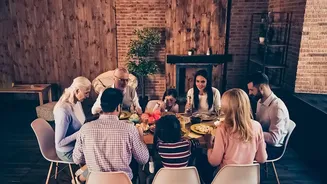
The simple act of gathering for a meal can be one of the most powerful tools for strengthening family ties. Research consistently shows that families who eat together regularly experience numerous benefits. It’s a dedicated time to put away screens, pause
the day's chaos, and simply be present with one another. These meals create a predictable routine that offers stability and security, especially for children. Studies have linked regular family meals to improved academic performance, higher self-esteem, and lower levels of stress and anxiety in children and adolescents. It's a space to share stories, discuss challenges in a supportive environment, and simply connect. The benefits extend to parents too, who report lower stress levels and better family relationships when shared meals are a priority. It doesn't have to be a gourmet dinner every night; even a simple breakfast or a weekend lunch provides an invaluable opportunity to bond.
Small Rituals, Big Impact
Beyond meal times, small, recurring traditions are the threads that weave a family's unique identity. These rituals, whether daily, weekly, or seasonal, create a sense of belonging and continuity. They don't need to be elaborate or expensive. A ritual can be as simple as a special handshake, a weekly family game night, reading a bedtime story, or taking a walk together after dinner. These repeated, meaningful activities help pass down family values and create a shared history. They provide comfort and predictability in an often-unpredictable world, helping children feel safe and grounded. By involving everyone in these small traditions, you reinforce that each person is a valued part of the family unit, fostering teamwork and creating memories that last a lifetime.
The Art of Truly Listening
Meaningful connection requires more than just being in the same room; it demands active listening. This practice goes beyond simply hearing words; it's about giving your full attention to understand the speaker's thoughts and feelings without judgment. When family members feel truly heard, it builds a powerful foundation of trust and respect. Active listening is a crucial tool for navigating conflict, as it reduces defensiveness and opens the door for collaborative problem-solving. Putting down phones, making eye contact, and offering non-verbal cues like nodding shows that you are engaged and that you value what the other person is saying. It creates a safe space where everyone, from young children to adults, feels comfortable expressing themselves honestly. This fosters empathy and deepens emotional bonds far more effectively than any planned activity ever could.
Authenticity Over Forced Celebration
Sometimes, the pressure to have a perfect holiday or a flawless birthday celebration can lead to stress and resentment, undermining the goal of connection. The most meaningful family time comes from authentic connection, not forced fun. Forcing everyone into the same celebration, with rigid expectations, can cause family members to sacrifice their true feelings to maintain attachment—a dynamic that can be damaging in the long run. It is more valuable to create an environment where people can be themselves. This might mean adapting traditions to suit changing family dynamics or allowing individuals to participate in ways that feel comfortable to them. When we prioritize authenticity, we allow for genuine connection, where relationships are built on mutual respect and understanding, not on performance. This creates a resilient family unit where members feel loved for who they are, not for how well they conform to a preconceived idea of a celebration.