


A Tale of Two Indias
The latest 'State of Food Security and Nutrition in the World' (SOFI) report, released by several UN agencies, paints a complex picture for India. On one hand, there is progress. The number of undernourished people has significantly dropped over the past
two decades, with about 101 million fewer people facing chronic hunger. The government's focus on food security, primarily through the distribution of staple grains like rice and wheat, has successfully tackled the problem of empty stomachs for a vast majority of the population. However, the report reveals a new, more insidious challenge: while people may be getting enough calories, a huge number are not getting enough nutrition.
The Soaring Price of a Healthy Plate
The core of the issue is the widening gap between income and the cost of nutritious food. According to the 2026 SOFI report, a staggering 520.1 million people in India, or over 35% of the population, cannot afford a healthy diet. While this percentage has improved from previous years, it still means more than one in three Indians finds a nutritionally balanced meal to be a financial luxury. The UN calculates the daily cost of a healthy diet in India at $4.11 in purchasing power parity (PPP) terms. This figure has surged by nearly 48% since 2017, an increase that far outpaces income growth for many households.
What is a 'Healthy Diet' Anyway?
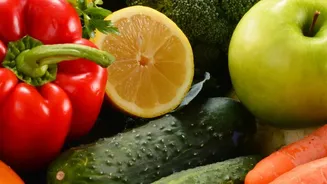
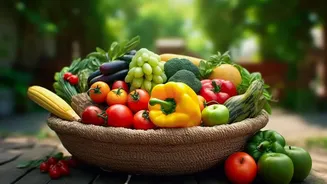
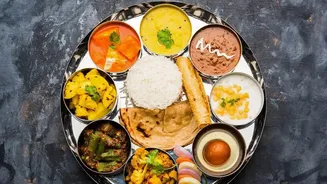
When the UN talks about a 'healthy diet', it isn't referring to exotic superfoods. The definition, jointly established by the World Health Organization (WHO) and the Food and Agriculture Organization (FAO), is based on fundamental principles of nutrition. It's a diet that is adequate in nutrients, balanced between proteins, fats, and carbohydrates, diverse with a variety of foods, and moderate in its intake of unhealthy substances. This translates to a plate that includes whole grains, fruits, vegetables, pulses, and lean proteins while limiting excess sugar, salt, and unhealthy fats. The WHO recommends adults consume at least 400 grams of fruits and vegetables daily, a target that becomes difficult when these items are significantly more expensive than calorie-dense staples.
The Nutrition Deficit
The inability to afford a diverse diet has serious public health consequences. The report highlights that while India has made progress in reducing child stunting, other malnutrition indicators are alarming. Anaemia among women aged 15-49 has actually increased, and adult obesity is on the rise. This paradox of co-existing undernutrition and obesity stems from the same root cause: poor quality diets. Households are forced to rely on cheaper, energy-dense foods that fill the stomach but lack the essential vitamins and minerals needed for good health. This shift towards processed foods and away from traditional, balanced meals is creating a long-term health crisis.
From Food Security to Nutrition Security
Experts suggest that India's challenge has evolved from ensuring food security (enough calories) to achieving nutrition security (the right nutrients). The Green Revolution and the Public Distribution System were designed to fight famine and have been remarkably successful. However, the system's focus on cereals has inadvertently discouraged the production and consumption of more diverse crops. Economists from the FAO have urged India to move beyond a cereal-dominated agricultural model and invest in diversifying production towards pulses, fruits, and vegetables to make these nutrient-rich foods more accessible and affordable for everyone.