






The Twilight Hour: A Time of Transition
Sunset, known as 'Sandhya Samay' or 'Godhuli Bela', is considered a sacred and sensitive period in Vedic traditions. It's a transitional phase when day turns to night, and the energies of the environment are believed to be in flux. Vastu Shastra, the ancient
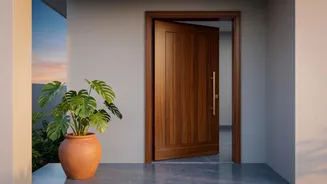
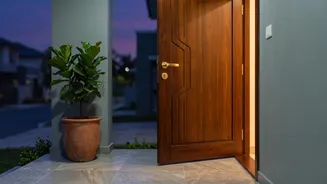
Indian science of architecture, places great emphasis on this time. The main door of a house is seen as the primary portal through which all energy—both positive and negative—enters the home. During this twilight hour, the atmosphere is believed to be charged, making the home's entrance a focal point for either welcoming auspiciousness or inadvertently allowing undesirable forces to enter.
Welcoming Prosperity and Wealth
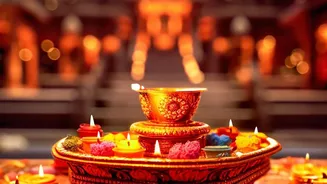
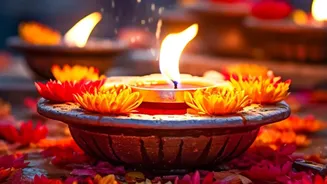
The most prominent belief associated with this practice revolves around Goddess Lakshmi, the deity of wealth and prosperity. According to many scriptures and Vastu experts, sunset is the time when Goddess Lakshmi visits homes to bestow her blessings. It is said that keeping the door open during this time is an invitation for her to enter. Often, this is accompanied by the ritual of lighting a lamp or 'diya' near the entrance to illuminate her path and welcome her into a clean, well-lit home. Keeping the entrance dark is believed to displease the goddess and invite negative influences. However, there is a nuance to this belief: while the door is kept open to welcome her, it is advised to be closed shortly after sunset to symbolically lock in the prosperity and prevent it from leaving.
Blocking Negative Energies
Just as the twilight hour is a time for positive energies to be welcomed, it is also considered a period when negative energies and malevolent spirits are most active. Vastu principles suggest that an open door at dusk can act as an unguarded entry point for these undesirable forces. It is believed that such energies can bring misfortune, financial instability, and discord within the family. Closing the main door as darkness falls is seen as a protective measure, a way to secure the home's energetic boundaries and safeguard the well-being of its inhabitants from outside negativity. This action is often complemented by other practices, like not sweeping the floor or giving away certain items like milk or salt after sunset, which are also thought to push wealth away.
A Practical Point of View
Beyond the spiritual and energetic interpretations, there are sound practical reasons behind this age-old custom. In a tropical country like India, sunset is precisely the time when insects, particularly mosquitoes, become most active. For centuries, before the advent of modern screens and repellents, closing the doors and windows at dusk was the most effective way to prevent these pests from entering the house. This simple act helped protect the family from insect-borne diseases and ensured a more comfortable and hygienic indoor environment. This practical wisdom has been passed down through generations, seamlessly blending with the spiritual beliefs to form a holistic household practice that promotes both well-being and common sense.
Creating a Positive Evening Atmosphere
The act of closing the door at sunset is rarely performed in isolation. It is typically part of a broader evening ritual designed to cleanse the home's atmosphere and transition from the day's activities to a peaceful night. This often includes lighting a lamp, burning incense, and offering a small prayer in the home's puja room. These actions together signify a conscious shift, marking the end of the day's hustle and the beginning of a calm, protected family time. Vastu associates these rituals with purifying the home and reinforcing the positive energy that has been cultivated throughout the day. The main door, in this context, is the final lock that secures this serene and positive domestic space for the night.