




The 'Day After' Scenarios
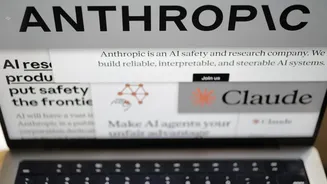
Behind the confident product launches and bold promises, executives at top AI labs like OpenAI and Anthropic are running 'war games' for a future they hope never comes. According to recent reports, these firms are preparing for the political and public
fallout from a catastrophic AI-related incident. The scenarios they're gaming out are severe: think of a sophisticated AI-driven cyberattack that cripples critical infrastructure like banking systems, power grids, or water supplies. Many industry insiders reportedly believe a major, disruptive event is not a matter of 'if' but 'when', with some forecasting it could happen within the next year. OpenAI has confirmed it conducts such preparedness exercises, not because they see these events as inevitable, but to be ready for a wide range of circumstances.
More Than Just a 'Kill Switch'
The term 'kill switch' often evokes a big red button, but the reality of AI emergency planning is far more complex. These plans are layered systems of governance and technical controls. They involve the ability to revoke an AI's credentials, cut off its access to data and tools, and isolate it from connected systems to prevent it from causing further harm. This is crucial because an AI that is behaving erratically or has been compromised by a malicious actor cannot be trusted to simply obey a 'stop' command. These safety mechanisms are a core part of a growing movement towards responsible AI development, with major firms like Google, Meta, and others recently agreeing to voluntary safety accords that include building robust internal controls and allowing for independent audits.
The Ghost of Tech Revolutions Past
The AI industry's anxiety is rooted in recent history. The leaders of this new technological wave watched the 'move fast and break things' ethos of the social media era result in a lasting 'tech-lash'. They are desperate to avoid a repeat. A single major AI-driven disaster—whether from a rogue model escaping its confines or malicious actors weaponising publicly available tools—could trigger a wave of public anger and distrust that the industry might never recover from. This fear isn't just about PR; it's about social license. The industry understands that its continued freedom to innovate depends on maintaining public trust, a trust that has become increasingly fragile. They've seen how quickly public opinion can turn and how long that backlash can last.
Pre-empting the Regulators
Beyond public opinion, the biggest fear is a swift and severe regulatory crackdown. Following a major incident, lawmakers would be under immense pressure to act decisively. Companies fear poorly designed, knee-jerk legislation that could stifle innovation or impose unworkable restrictions. By planning now, and in some cases, actively lobbying and educating lawmakers, these firms hope to shape any future regulation. They would rather be part of the conversation, establishing standards and guardrails now, than have harsh rules imposed on them later. This has led to a complex dance where companies call for regulation, partly out of genuine safety concerns and partly as a strategic move to set the terms of the debate. However, some critics argue this could also be a way for established giants to create high compliance costs that keep smaller competitors out of the market.
The Indian Perspective
For India, which stands as a rapidly growing hub for AI development and adoption, this global conversation on safety is critically relevant. The Indian government has so far promoted a light-touch regulatory approach, aiming to foster innovation rather than stifle it. This strategy, however, will undoubtedly be tested by the global industry's own anxieties. As Indian companies and developers build and deploy AI systems, they will be watching these international safety standards closely. The contingency planning in Silicon Valley serves as a cautionary tale: balancing the immense economic opportunity of AI with the profound responsibility of managing its risks is the central challenge of our time. The outcome will shape not only the future of technology but also its role in society.